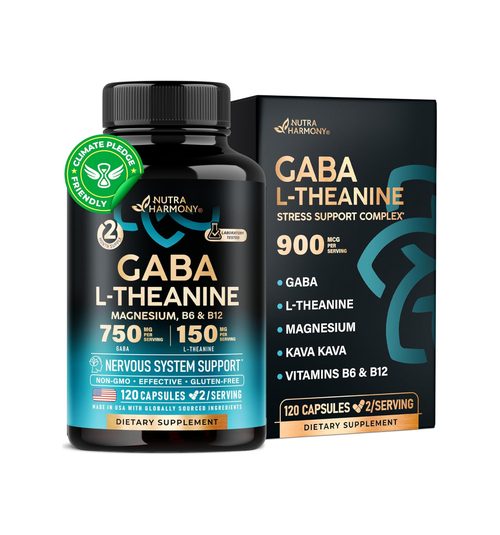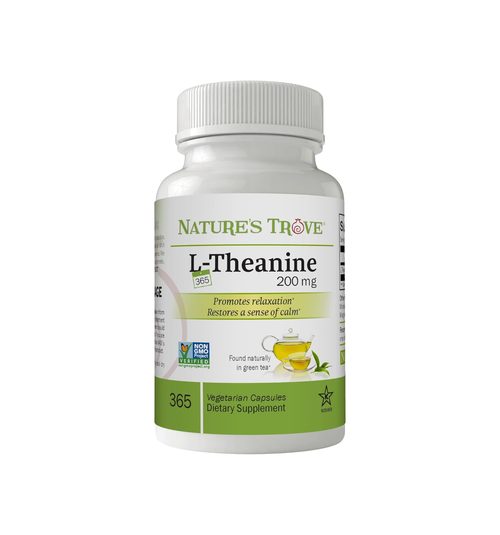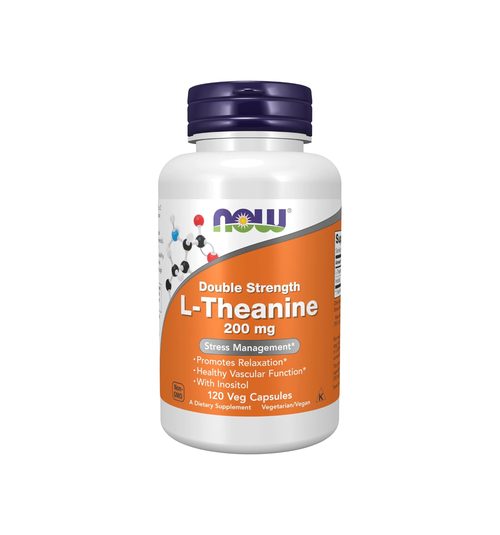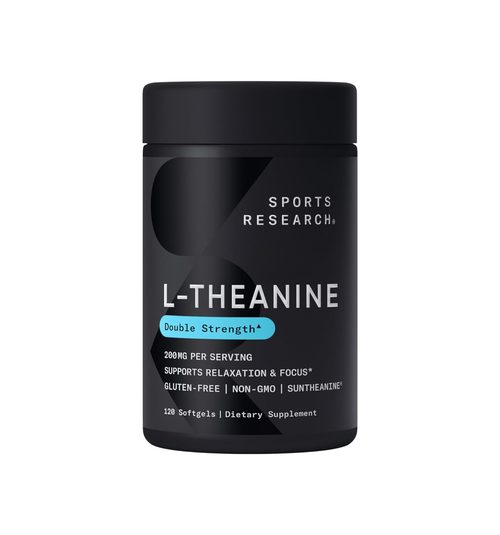
"Nootropics" is a catch-all word for substances taken to support memory, focus, mood, or mental energy. It covers everything from the caffeine in your coffee to herbs used in traditional medicine and newer supplements sold as "brain boosters". The label promises a lot; the evidence behind most products is much thinner. This guide explains what the word means, which popular nootropic supplements have human research behind them, and how to choose one without wasting money.
What Are Nootropics?
The term was coined in the 1970s for compounds that were supposed to improve learning and memory while being very safe. Today it is used loosely for three quite different groups:
- Everyday stimulants such as caffeine, the most widely used substance for alertness.
- Supplements: herbs, mushrooms, amino acids, and nutrients such as Bacopa Monnieri, Lion's Mane, L-Theanine, Rhodiola Rosea, Ashwagandha, and creatine. This blog covers these.
- Prescription drugs sometimes called "smart drugs", such as stimulants prescribed for ADHD. They are medicines with real risks and are only for the people they are prescribed to; this blog does not cover them.
In the US, dietary supplements don't need FDA approval before they go on sale, and a "nootropic" label tells you nothing about whether a product works. That is why the evidence for each ingredient matters more than the word on the bottle.
Which Nootropic Supplements Have Evidence?
Here is how the main nootropic supplements compare, based on the human research covered in our full guides. Note how many need weeks of daily use before any effect is expected.
| Supplement | Studied for | What the evidence shows | How fast |
|---|---|---|---|
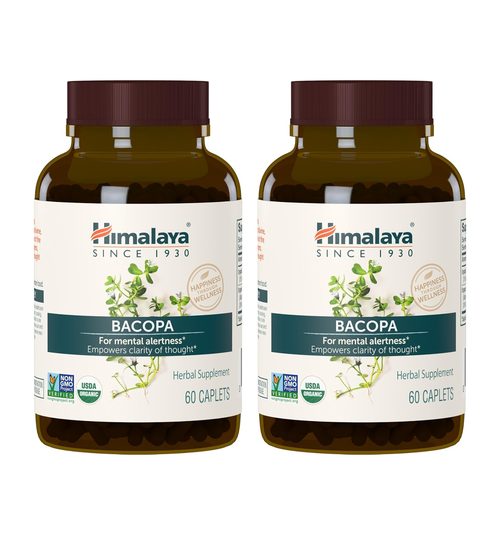
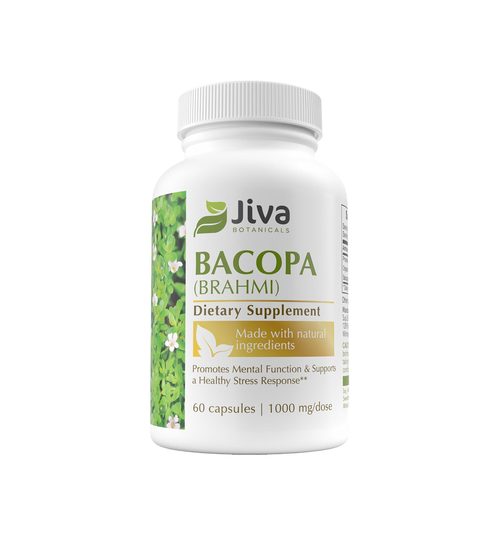
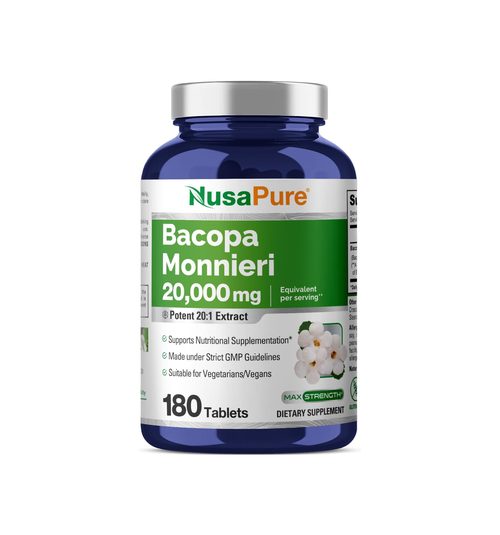
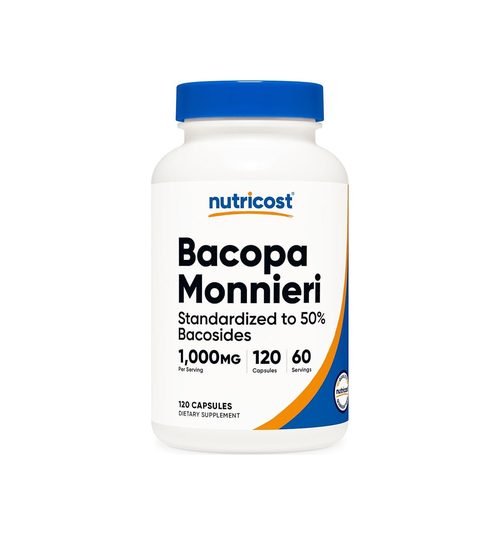
| Bacopa Monnieri | Memory and learning | Established Twelve-week trials of 300–450mg a day of standardized extracts found modest improvements in recall and speed of attention | 8–12 weeks |
| Caffeine + L-Theanine | Focus and alertness | Established In several small placebo-controlled trials the combination improved accuracy when switching between tasks and self-rated alertness for an hour or two | Same day |
| L-Theanine | Calm focus, stress, sleep | Preliminary Evidence for stress and sleep is promising but preliminary, and it did no better than placebo in diagnosed anxiety disorder | About 50 minutes to peak |
| Creatine | Memory | Preliminary Two meta-analyses found small memory improvements, clearest in older adults and vegetarians, with little effect in young people who eat meat | Weeks of daily use |
| Ashwagandha | Stress, sleep, recovery | Established for stress: in placebo-controlled trials, stressed adults taking 250–600mg a day of a root extract for about 8 weeks reported lower stress, though a 2022 meta-analysis rated the certainty as low. Evidence for sleep is preliminary | 6–12 weeks |
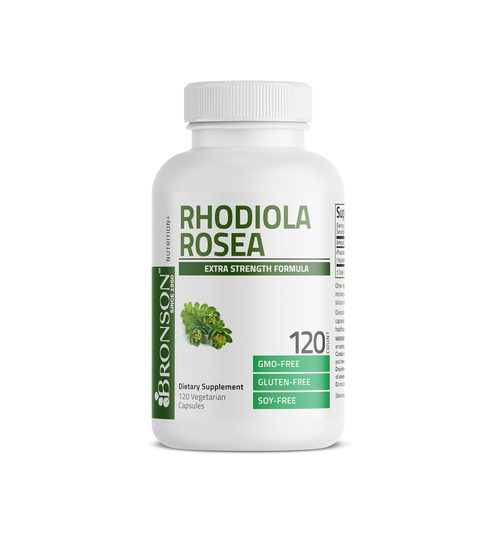
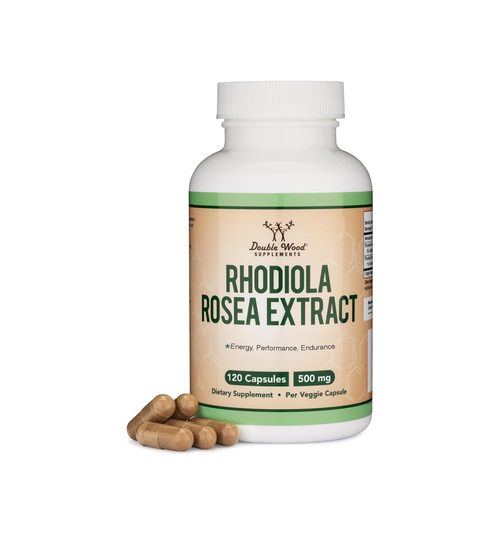
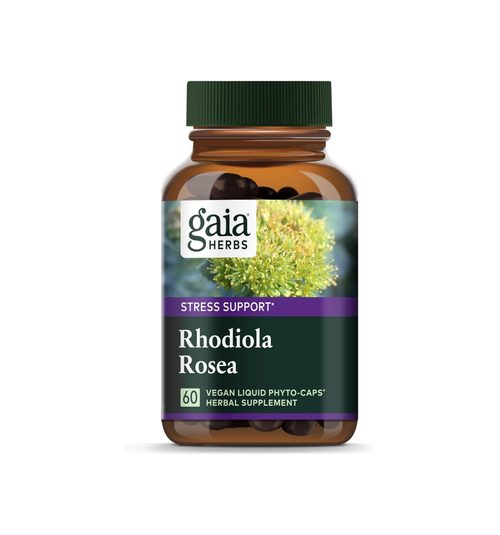
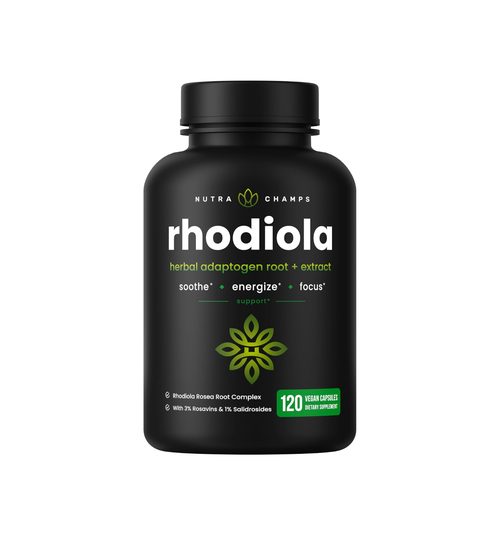
| Rhodiola Rosea | Stress-related fatigue | Mixed Human results are mixed but promising | Days to weeks |
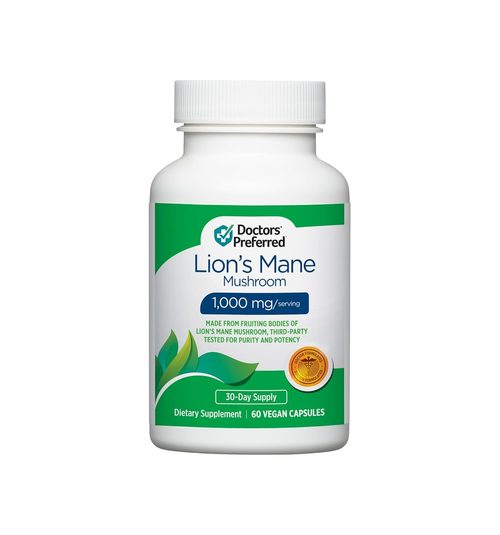
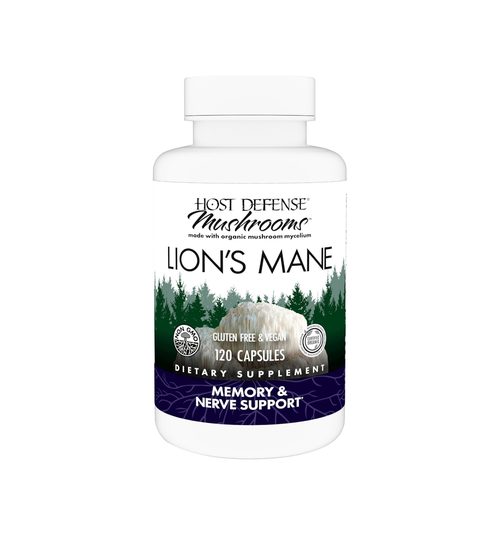
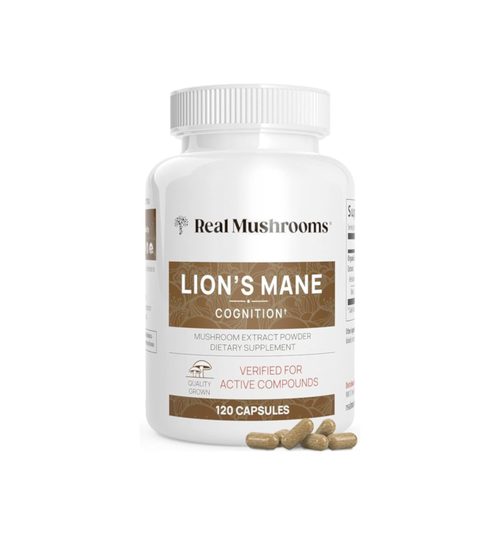
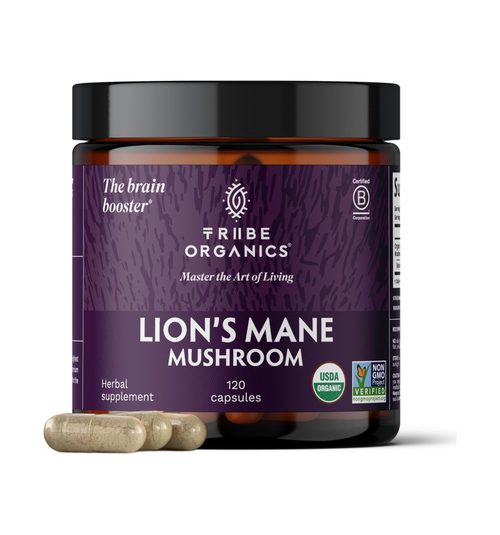
| Lion's Mane | Memory, focus, brain health | Preliminary Most research so far is from lab and animal studies, with a smaller number of short human trials | Weeks to months |
None of these will make you dramatically smarter. The realistic best case is a modest, measurable improvement in one area, such as recall after three months of Bacopa or alertness for an afternoon from caffeine with L-Theanine.
Nootropics for Focus vs. Memory
For same-day focus, caffeine with L-Theanine is one of the simplest and best-studied options. A practical start is 200mg of L-Theanine with about 100mg of caffeine, taken in the morning or early afternoon. Keep total caffeine under the 400mg a day the FDA cites as generally safe for healthy adults.
For memory, Bacopa Monnieri has the most human research, but it only helps with daily use over 8–12 weeks, so it is no use the night before an exam. Creatine is a newer option with the clearest effects in older adults and vegetarians. If you are studying, our nootropic stack for studying puts these on a timeline.
Are Nootropics Safe?
The supplements above are generally well tolerated by healthy adults at the doses studied, but "natural" doesn't mean risk-free:
- Bacopa's most common side effect is stomach upset, so take it with food.
- Check with a doctor before taking Ashwagandha if you have a thyroid condition or liver problems, or are pregnant.
- Creatine can raise creatinine on blood tests without harming the kidneys, so tell your doctor you take it.
- Skip Lion's Mane if you are allergic to mushrooms.
- Rhodiola can be mildly stimulating, so take it in the morning or early afternoon.
If you take prescription medication, are pregnant or breastfeeding, or have a medical condition, talk to your doctor or pharmacist before starting any nootropic.
How to Choose a Nootropic Supplement
- Start with one ingredient. Proprietary blends with a dozen ingredients usually hide small doses of each, and if something disagrees with you, you won't know which one it was.
- Match the dose to the research. Compare the amount per serving with the doses in our guides, such as 300–450mg of standardized Bacopa extract or 3–5g of creatine monohydrate.
- Check the extract and standardization. For herbs, the label should say which part of the plant is used and what the extract is standardized to.
- Look for independent testing. Third-party certifications such as NSF or USP check that the bottle contains what the label says.
- Give it time. Most of these need weeks of daily use, so judge a supplement after the period the studies used, not after a few days.
Our supplement comparison table lists the forms, servings, and standardization of the products we cover, and each guide ends with a buyer's checklist.