Ashwagandha has gone from a niche Ayurvedic herb to one of the most popular supplements in the world, usually sold with one word: stress. It's also one of the few herbs where the safety conversation deserves as much space as the benefits. Here's a plain-language look at both.
What Is Ashwagandha (Withania somnifera)?
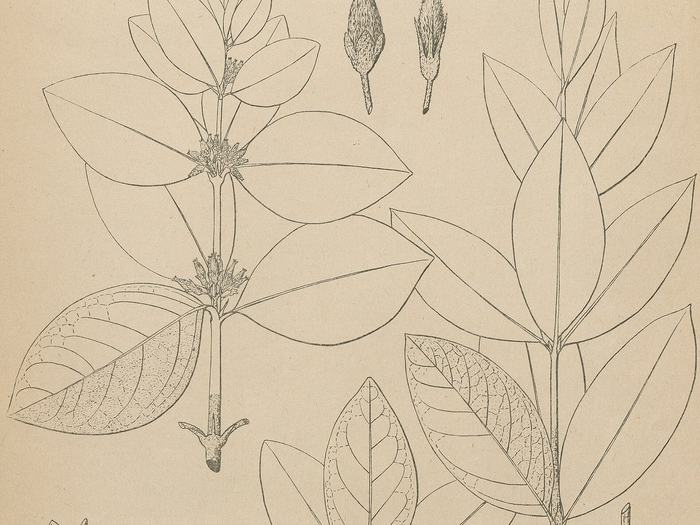
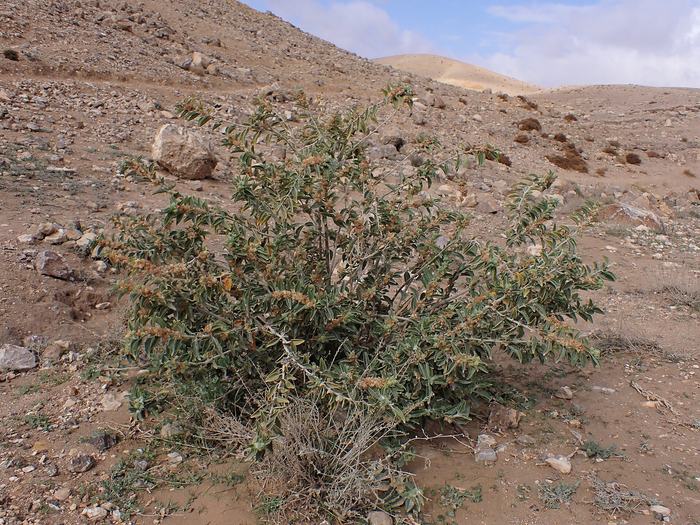
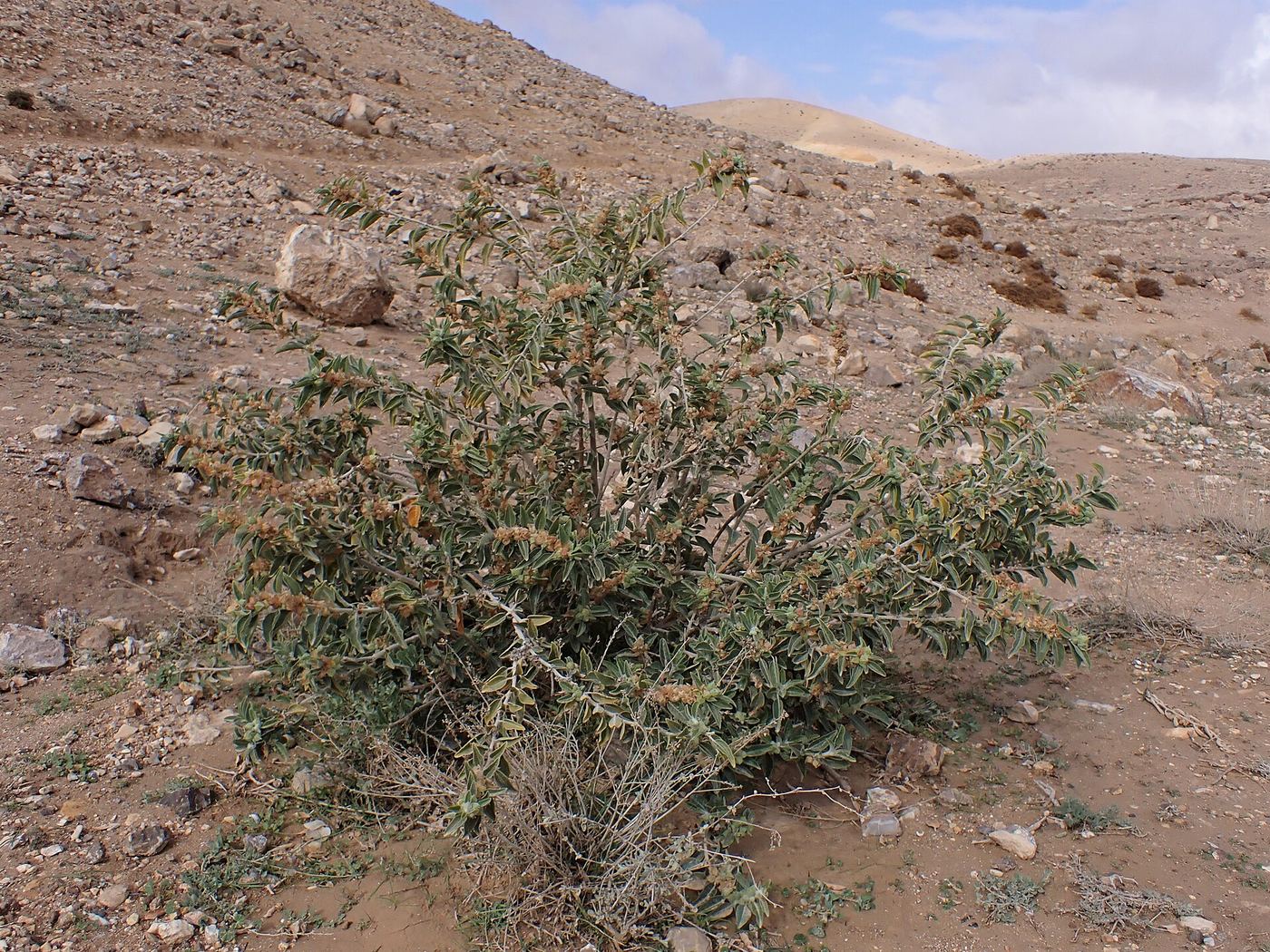
Ashwagandha (Withania somnifera, often shortened to withania, especially in Australian and UK herbal medicine) is a small shrub that grows in India, the Middle East, and parts of Africa. It belongs to the nightshade family, alongside tomatoes and peppers. In Ayurvedic medicine it's classed as a rasayana, a tonic used for long-term vitality, and its root has been used for centuries.
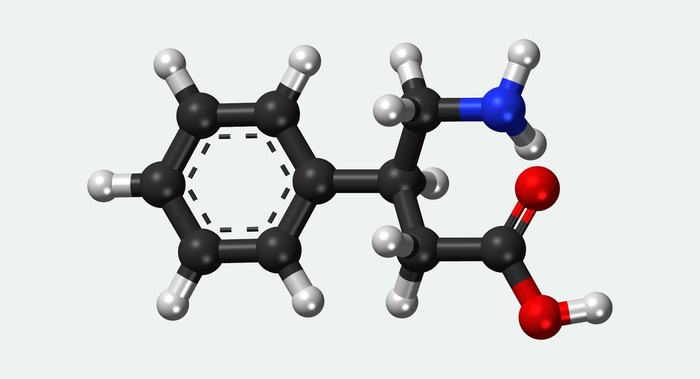
Today it's usually described as an adaptogen: a substance thought to help the body handle stress. Its main active compounds are a group of steroid-like molecules called withanolides, and supplement labels usually state a withanolide percentage.
Benefits of Ashwagandha: What the Research Shows
Ashwagandha has more human research behind it than most herbs, though most studies are still small and short. These are the main benefits that have been tested:
- Stress Established: the most-studied area. In placebo-controlled trials, stressed adults taking 250–600mg a day of a root extract for about 8 weeks reported lower stress and had lower cortisol, and a 2022 meta-analysis of 12 trials agreed, while rating the certainty of the evidence as low. See ashwagandha for anxiety and stress for the details.
- Anxiety Preliminary: the same trials reported lower anxiety rating scores, but they recruited stressed adults, not people with diagnosed anxiety disorders.
- Sleep Preliminary: a 2021 meta-analysis of five trials found a small improvement in overall sleep, larger in people with insomnia, at 600mg a day or more for at least 8 weeks.
- Strength and testosterone Preliminary: in one 8-week trial, young men new to weight training who took 600mg a day gained more strength and muscle size, and had a bigger rise in testosterone, than those on placebo. A trial in overweight men aged 40–70 also found a larger testosterone rise, though their fatigue and vigor didn't improve more than with placebo.
The honest summary is that ashwagandha has encouraging evidence for stress and early evidence for sleep and strength, from studies that are mostly small and short, several of which tested the same commercial extract (KSM-66). It's a reasonable thing to try, not a proven treatment for anxiety or insomnia.
Root vs. Leaf: KSM-66, Sensoril, and Others
Most of the research used branded extracts, and they're not interchangeable:
| Extract type | What it is | Typical label dose |
|---|---|---|
| Root-only extract (e.g. KSM-66) | Made from the root only, the traditional part; usually standardized to around 5% withanolides | 300–600mg per day |
| Root and leaf extract (e.g. Sensoril) | Includes leaf, giving a higher withanolide percentage per milligram | Lower doses, often 125–250mg per day |
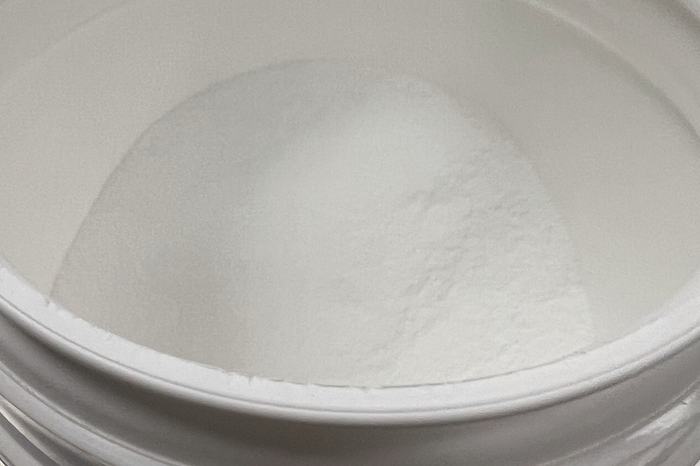
| Plain root powder | Ground root, not concentrated | Several grams per day |
A higher withanolide percentage doesn't automatically mean a better product, because different extracts were studied at different doses. The safest approach is to choose a product that names its extract and to follow the dose that extract was studied at. For most people that means capsules of a standardized root extract; our guide to choosing the best ashwagandha supplement compares capsules, powders and gummies, and four products label by label.
How Much to Take, and When
- Dose: most root extracts are taken at 300–600mg per day, either once or split into two doses.
- Timing: many people take it in the evening because of its reputation for relaxation and sleep; others take it in the morning. There's no strong evidence that one time is better.
- With food: taking it with a meal can help if it upsets your stomach.
- Time frame: studies usually ran for 6 to 12 weeks. Don't expect a same-day effect.
Should You Cycle Ashwagandha?
There's no research showing that cycling (taking regular breaks) is necessary, but it's a common practice, and some well-known voices in the supplement world suggest it. Because most studies only lasted a few months, we know much less about taking ashwagandha continuously for years. Taking periodic breaks, or reviewing whether you still need it every few months, is a cautious approach that also tells you whether it's doing anything for you.
Side Effects and Who Should Be Careful
Ashwagandha is generally well tolerated in short-term studies, but it has more specific cautions than most herbs:
- Common side effects: stomach upset, loose stools, nausea, and drowsiness.
- Liver: there are rare case reports of liver injury linked to ashwagandha supplements, including a published series of five cases from Iceland and the US. Stop and see a doctor if you notice yellowing skin or eyes, dark urine, or unusual fatigue.
- Thyroid: ashwagandha may raise thyroid hormone levels; in one 8-week trial, 600mg a day raised T3 and T4 Preliminary. People with thyroid conditions, especially an overactive thyroid, or who take thyroid medication should talk to a doctor first.
- Pregnancy and breastfeeding: avoid it. Traditional texts and modern guidance both advise against use in pregnancy.
- Medications: it may add to the effect of sedatives, and may interact with drugs for blood sugar, blood pressure, and the immune system.
- Autoimmune conditions: because it may stimulate the immune system, people with autoimmune diseases should check with a doctor.
- Nightshade sensitivity: rare, but worth knowing if you react to other nightshades.
Regulators in some European countries, including Denmark, have moved to restrict ashwagandha in supplements over safety concerns. That doesn't mean it's dangerous for most people, but it's a reminder that "natural" isn't the same as risk-free.
Ashwagandha vs. Rhodiola
Both are called adaptogens, but they're usually used differently. Ashwagandha is often described as calming and is commonly taken in the evening, while Rhodiola Rosea has a reputation for fighting fatigue and is usually taken in the morning. Some people take one for the evening and the other for the day; if you want to try both, start one at a time so you can tell what each does.
Buyer's Checklist
- The extract is named (for example KSM-66 or Sensoril) and the withanolide percentage is stated.
- The label says which part of the plant is used: root only, or root and leaf.
- The dose matches what that extract was studied at.
- The product is third-party tested (look for seals such as NSF or USP, or a published Certificate of Analysis).
- There are no unnecessary proprietary blends hiding the actual dose.