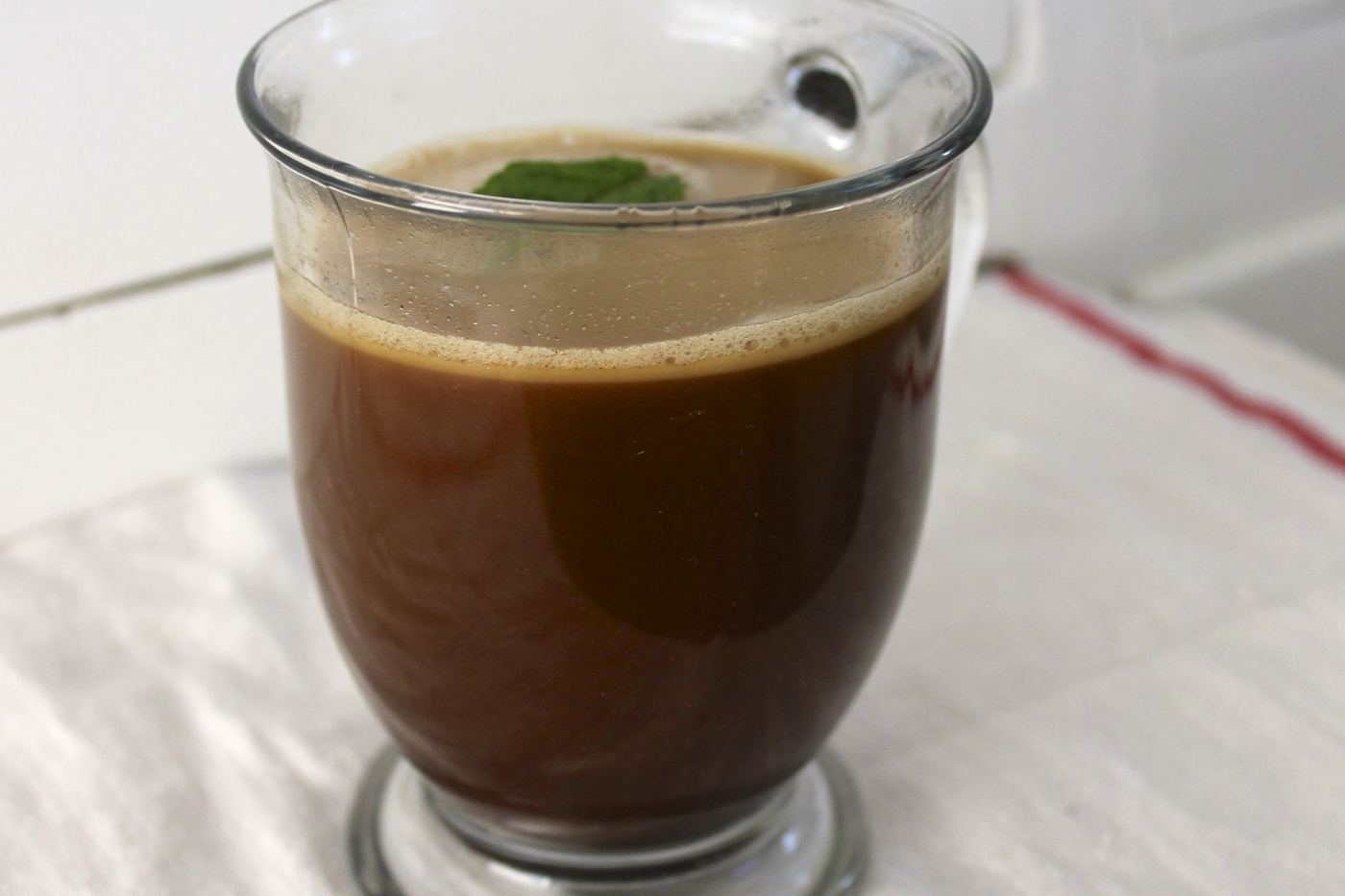
Bulletproof coffee is coffee blended with butter and MCT oil, usually drunk instead of breakfast. Its fans describe steady energy, sharper focus, and fewer cravings until lunch. Those are big claims for a cup of coffee, so it's worth separating what's in the cup from what's on the label. The short version: the caffeine works the way caffeine always does, the fats change some blood markers in small studies, and nobody has tested the whole drink.
What Is Bulletproof Coffee?
"Bulletproof" is a brand name; the generic versions are called butter coffee or keto coffee. A typical recipe:
- Coffee: one large cup of brewed coffee.
- Butter or ghee: 1–2 tablespoons, often grass-fed. Ghee is clarified butter, with the milk solids removed.
- MCT oil: 1–2 tablespoons. MCT stands for medium-chain triglycerides, fats the body absorbs and turns into ketones faster than most dietary fats. Most MCT oil is made from coconut or palm kernel oil.
Everything goes into a blender, which emulsifies the fat into a frothy, latte-like drink.
Has Anyone Studied Bulletproof Coffee?
Not directly. A PubMed search in October 2026 found no controlled trials of bulletproof or butter coffee itself. Everything below comes from studies of its ingredients, often at different doses or in different groups of people. Keep that in mind whenever you see a confident claim about what "bulletproof coffee does".
What Each Ingredient Does
Caffeine: the part that definitely works
The alertness people feel from bulletproof coffee comes from the coffee Established. The fat doesn't add caffeine, and there's no good evidence it changes how caffeine affects you. The U.S. FDA lists 113–247mg of caffeine in a 12oz cup of brewed coffee and cites 400mg a day as generally safe for healthy adults. If jitters are the problem, our caffeine and L-Theanine guide covers what the trials found for that.
MCT oil: ketones, yes; focus, unproven
- Ketones Preliminary: in metabolic studies, MCT oil raised blood ketones within a few hours. The C8 form (caprylic acid) was about three times as ketogenic as C10 and six times as ketogenic as C12, and the ketone rise was about twice as large without food. Caffeine itself also raised ketones: in 10 healthy adults, caffeine at breakfast increased them by 88–116%.
- Thinking and focus Preliminary: the trials linking MCT-driven ketones to better thinking were in people with mild cognitive impairment, not healthy adults. In one, 83 people took a ketogenic MCT drink (30g a day) or placebo for six months, and several memory and language measures improved. There's no comparable evidence that ketones from a morning coffee sharpen focus in healthy people.
- Appetite Preliminary: a 2021 meta-analysis found that people ate less at their next meal after MCT than after other fats in lab studies, even though they didn't report feeling less hungry. That's a small effect, measured over a meal or a day, not weight loss over months.
Butter: calories and cholesterol
- Calories: according to USDA data, a tablespoon of butter has about 102 calories and 7.3g of saturated fat. Two tablespoons, a common amount, add about 200 calories and 15g of saturated fat to your coffee.
- LDL cholesterol Established: in a 5-week controlled trial in 47 healthy adults, a moderate amount of butter raised total and LDL ("bad") cholesterol more than olive oil did. The authors concluded people with high cholesterol should keep butter to a minimum.
- Heart risk: a 2020 Cochrane review of long-term trials found that cutting saturated fat reduced combined cardiovascular events by about 17%, with the benefit larger the more cholesterol fell.
What's in a Typical Cup
| Ingredient | Amount | Calories | Saturated fat |
|---|---|---|---|
| Brewed coffee | 12oz | Almost none | None |
| Butter | 2 tbsp | About 200 | About 15g |
| MCT oil | 1 tbsp | Over 100 (check your label) | Almost all of it (MCTs are saturated fats) |
For comparison, the US Dietary Guidelines advise keeping saturated fat under 10% of daily calories, which is about 22g on a 2,000-calorie diet. Two tablespoons of butter alone use up about two-thirds of that. MCT oil is technically saturated fat too, but it's handled differently from the long-chain fats in butter; how it affects cholesterol over the long term is less clear.
Does It Work as a Breakfast?
As a meal, a cup of bulletproof coffee is mostly fat: it has no protein, no fiber, and few of the vitamins and minerals a breakfast would usually supply. Some people find it keeps them full until lunch, and the MCT appetite research is consistent with that. But replacing a balanced breakfast with 300–400 calories of fat isn't a proven way to lose weight, and nobody has tested it as one.
Who Should Skip It
- High LDL cholesterol, heart disease, or a family history of either: the butter is the problem. Ask your doctor, and if you have it anyway, use less butter or leave it out.
- Anyone limiting caffeine: including during pregnancy, when the NHS and the American College of Obstetricians and Gynecologists advise under 200mg a day.
- Sensitive stomachs: users commonly report cramps or loose stools from MCT oil, especially when starting with a full tablespoon. Start with a teaspoon.
- Anyone on a medically supervised diet (for example for diabetes or kidney disease): check with your care team first.
A Lighter Version
If you like the taste and the ritual, you can keep most of the experience with less saturated fat:
- Use 1 teaspoon of MCT oil instead of a tablespoon, and build up only if your stomach tolerates it.
- Use a teaspoon of butter, or skip it; the blender froth comes mostly from the oil.
- Eat some protein alongside it, rather than treating it as the whole breakfast.
- If what you're really after is calm focus, plain coffee with L-Theanine has more direct evidence than adding fat.