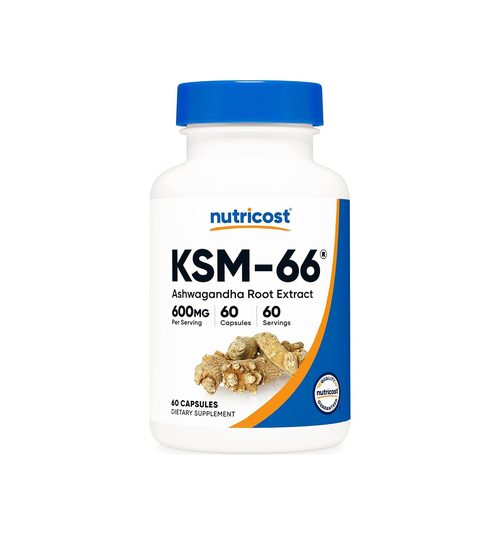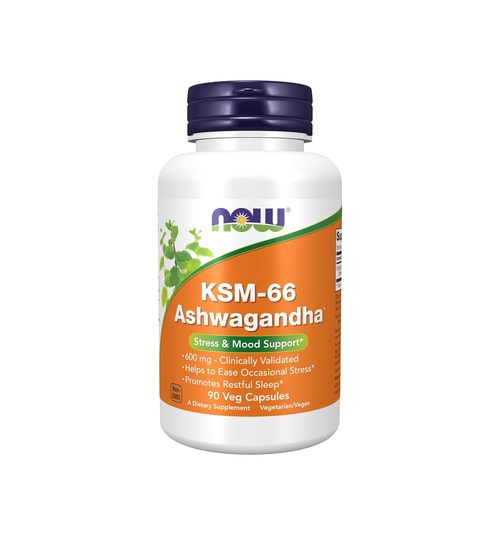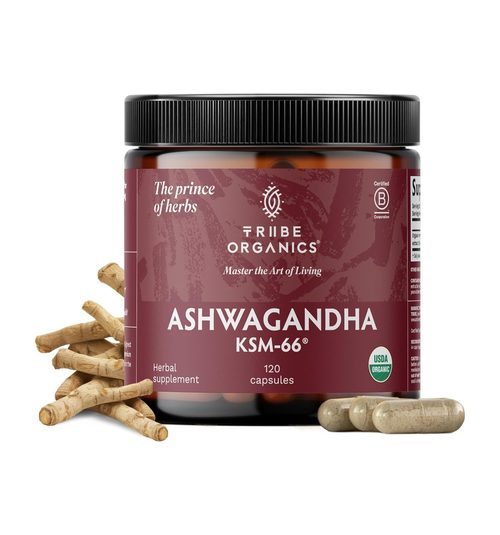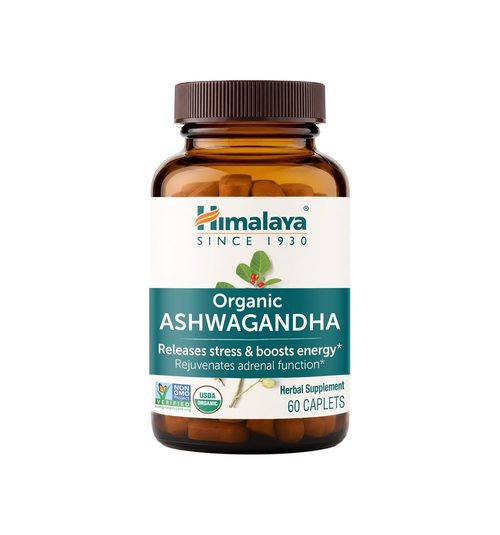
Ask why people take ashwagandha and the answer is almost always the same: stress. This guide sets out what the clinical trials actually tested and what they found. For the plant itself, doses, and extract types, see our full ashwagandha guide.
Does Ashwagandha Help With Stress?
For everyday stress in otherwise healthy adults, the trials point in the same direction Established. In placebo-controlled studies, people who described themselves as stressed and took a root extract for about 8 weeks reported lower stress than people taking a placebo:
- In the best-known trial, 64 adults with chronic stress took 300mg of a root extract twice a day for 60 days. They scored lower on every stress questionnaire used, and their blood cortisol fell more than in the placebo group.
- A 2019 trial tested two doses, 250mg and 600mg a day, for 8 weeks. Both lowered perceived stress and cortisol, and the higher dose did more.
- A 2022 meta-analysis pooled 12 trials with about 1,000 adults and found lower stress scores with ashwagandha, with the benefit seen at 300–600mg a day.
That same meta-analysis is also the main reason for caution: it rated the certainty of the evidence as low, because the trials were small, short, and gave very different results from one another. Most were run in India, and several used the same commercial extract.
Does Ashwagandha Help With Anxiety?
This is where the wording matters. The trials recruited people who felt stressed, and measured anxiety with rating scales. They did not test ashwagandha in people with a diagnosed anxiety disorder such as generalized anxiety disorder or panic disorder Preliminary.
- Two trials reported lower scores on the Hamilton Anxiety Rating Scale, a clinician-rated anxiety measure, after 8 to 10 weeks.
- In one of them, which used a different extract (240mg of Shoden), a second questionnaire covering depression, anxiety and stress didn't change significantly compared with placebo Mixed.
So "ashwagandha for anxiety" is best read as "ashwagandha for the anxious feelings that come with stress." If anxiety is affecting your work, sleep or relationships, talk to a doctor. Don't stop or replace prescribed anxiety medication with ashwagandha, and don't combine it with sedatives or benzodiazepines without medical advice.
How It Might Work: Cortisol
Cortisol is the body's main stress hormone. In three of the trials above, morning or blood cortisol fell more with ashwagandha than with placebo, which researchers take as a sign that it may calm the body's stress-response system (the hypothalamic-pituitary-adrenal, or HPA, axis). That's a plausible explanation, not a proven one. Lower cortisol on a blood test doesn't by itself mean you'll feel less stressed.
Dose and Extract Used for Stress
| Trial | Extract | Daily dose | Length |
|---|---|---|---|
| Chandrasekhar 2012 | KSM-66 (root only) | 600mg (300mg twice a day) | 60 days |
| Salve 2019 | KSM-66 (root only) | 250mg or 600mg | 8 weeks |
| Langade 2019 | KSM-66 (root only) | 600mg (300mg twice a day) | 10 weeks |
| Lopresti 2019 | Shoden (root and leaf) | 240mg | 60 days |
Most of the stress research used KSM-66 at 600mg a day, so a product that names that extract and gives that dose is the closest match to what was tested. Products made from plain root powder, or from extracts that don't state a withanolide percentage, weren't the ones studied. Our guide to choosing an ashwagandha supplement compares the labels.
How Long Does Ashwagandha Take to Work for Stress?
The trials measured results after 8 to 10 weeks of daily use. Plan on taking it consistently for about two months before deciding whether it's helping. Ashwagandha isn't an as-needed remedy for a stressful day; for that, L-Theanine is a closer fit.
Morning or Night?
Several of the trials split the dose into two capsules a day, and one trial in people with insomnia found they fell asleep faster after 10 weeks. Many people take ashwagandha in the evening for that reason. If it makes you drowsy, take it at night; otherwise, choose whichever time you'll remember.
Ashwagandha, Stress and Sleep
Stress and poor sleep feed each other, and the sleep evidence is a useful side benefit. A 2021 meta-analysis of five trials found a small improvement in overall sleep, larger in people with insomnia, at 600mg a day or more for 8 weeks or longer. See the main ashwagandha guide for more on sleep.
Ashwagandha vs. Other Options for Stress
| Option | Works over | Best fit |
|---|---|---|
| Ashwagandha | Weeks | Ongoing stress, especially with poor sleep |
| Rhodiola Rosea | Days to weeks | Stress that shows up as fatigue and burnout; usually taken in the morning |
| L-Theanine | About an hour | Feeling calmer on the day, without drowsiness |
For a closer look at the other two, see Rhodiola vs. L-Theanine for stress.
Who Should Not Take Ashwagandha for Stress
- Thyroid conditions: in a trial in people with an underactive thyroid, 600mg a day raised thyroid hormone levels. That can be a problem with an overactive thyroid or alongside thyroid medication.
- Liver problems: rare cases of liver injury have been linked to ashwagandha supplements. Stop and see a doctor if you notice yellowing skin or eyes, or dark urine.
- Pregnancy and breastfeeding: avoid it.
- Sedatives, sleep medication, or anxiety medication: it may add to their effect. Ask your doctor or pharmacist first.
- Autoimmune conditions and anyone taking medication for blood sugar or blood pressure should also check first.
The Bottom Line
If you're an otherwise healthy adult dealing with ongoing stress, ashwagandha has more trial evidence than most herbs: lower stress scores and cortisol after about 8 weeks at 250–600mg a day of a standardized root extract. The trials are small and the certainty is low, it isn't a treatment for an anxiety disorder, and the thyroid and liver cautions are real. Below are the ashwagandha products HighIQ Nootropics carries; three of the four use KSM-66, the extract used in most of the stress trials.