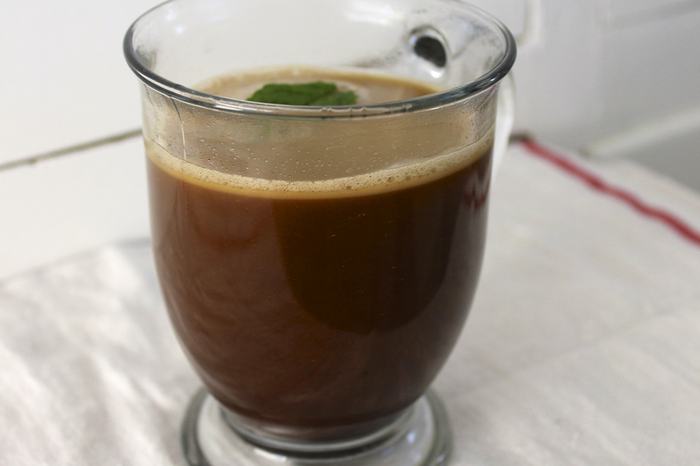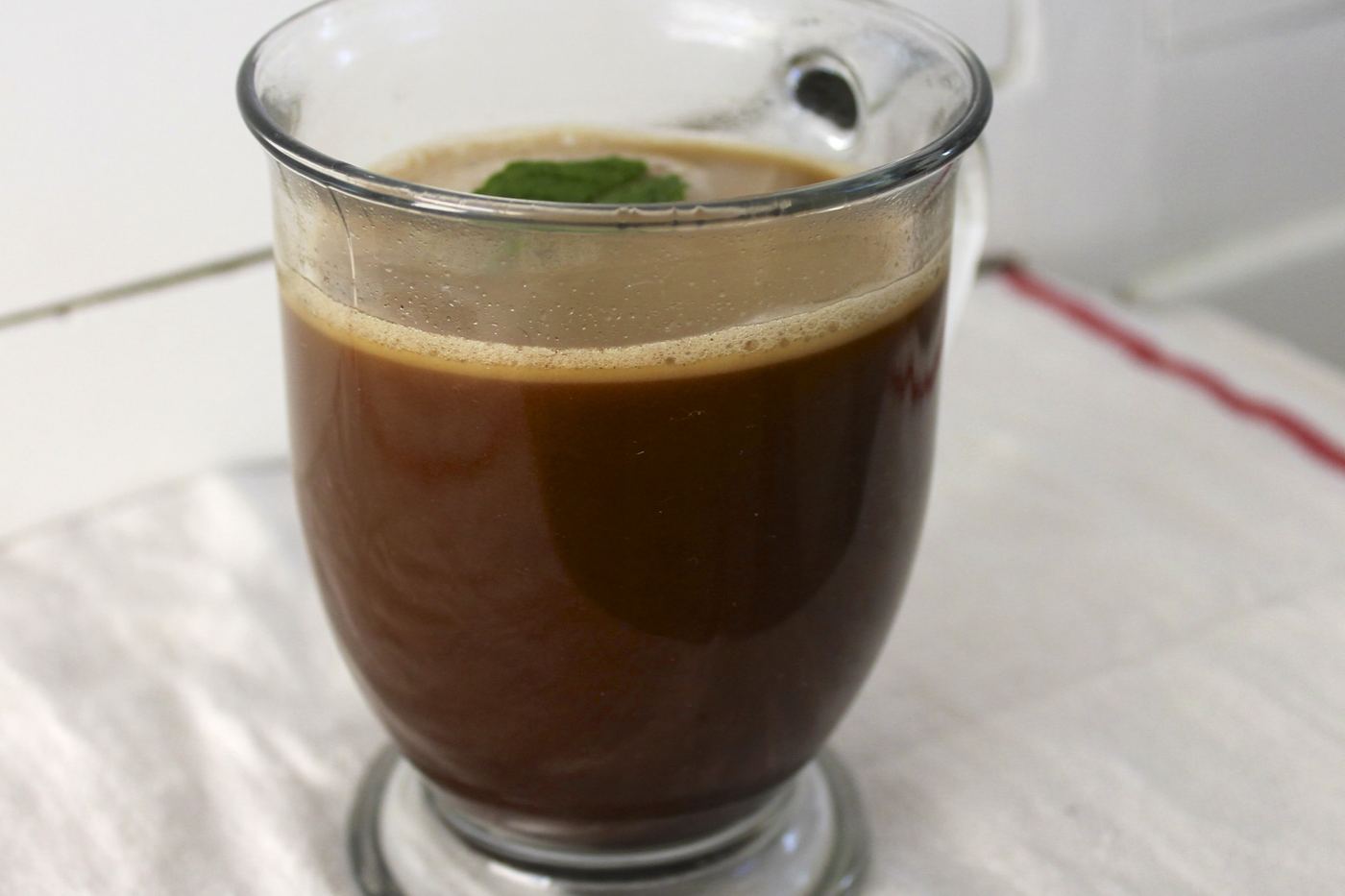
MCT oil coffee is the same idea as bulletproof coffee: coffee blended with fat until it turns creamy. This guide is the practical side. It covers how much to use, whether ghee or butter is better, which MCT oil to buy, and what each version adds in calories. For what the research says about caffeine, ketones, focus and cholesterol, read our Bulletproof Coffee guide. The short version is that nobody has tested the drink itself, and the alertness comes from the coffee.
The Basic Recipe
For one large mug (about 12oz of brewed coffee):
| Ingredient | Starter | Full |
|---|---|---|
| Hot brewed coffee | 8–12oz | 8–12oz |
| MCT oil | 1 teaspoon | 1 tablespoon |
| Ghee or unsalted butter | 1 teaspoon | 1 tablespoon |
- Brew the coffee however you normally do. Drip, French press and pour-over all work.
- Add the coffee, MCT oil and ghee or butter to a blender. Leave the lid's vent open or cover it with a towel, because hot liquid expands as it blends.
- Blend for about 20 seconds, until the top is pale and foamy with no oil on the surface.
- Drink it while it's hot. As it cools, the fat starts to separate again.
Start with the starter amounts for at least a week. MCT oil is well known for causing stomach cramps and loose stools when people begin with a full tablespoon.
Why Blend Instead of Stir
Stirring oil into coffee leaves a slick on top. Blending breaks the fat into tiny droplets that stay suspended, called an emulsion. That matters for more than texture Preliminary. In a study of 10 healthy adults, MCT oil given as an emulsion (blended into skim milk) caused about half as many side effects as the same dose taken as plain oil. It also raised blood ketones 2–4 times above baseline, against about 2 times for the plain oil. That study used milk, not coffee, and single doses, so treat it as a strong hint rather than proof for your mug.
No blender? A handheld milk frother works for a single cup. Don't shake hot coffee in a sealed jar; the pressure can force the lid off.
Ghee vs. Butter
Ghee is butter that has been simmered until the water evaporates and the milk solids separate out and are removed. What's left is almost pure butterfat with a nutty, toasted flavor. Butter is about 81% fat, with the rest mostly water plus a small amount of milk solids. Here's how a tablespoon of each compares, using USDA data:
| Per tablespoon | Butter (salted) | Ghee (butter oil) |
|---|---|---|
| Weight | 14.2g | 12.8g |
| Calories | About 102 | About 112 |
| Saturated fat | About 7.3g | About 7.9g |
| Cholesterol | About 31mg | About 33mg |
| Water | About 16% | Almost none |
What that means in practice:
- Ghee is slightly richer per spoon. Because the water is gone, a tablespoon of ghee has about 10% more calories and saturated fat than a tablespoon of butter. The difference is small; the amount you use matters far more than which one.
- Ghee suits people avoiding lactose. Removing the milk solids takes out most of the lactose and milk protein (casein), so many lactose-sensitive people find ghee easier. Traces can remain, so anyone with a milk allergy should avoid both unless their doctor says otherwise.
- The heart caution applies to both. Ghee is butterfat, so it's just as saturated. In a controlled trial, butter raised LDL ("bad") cholesterol more than olive oil Established, and there's no reason to expect ghee to behave better.
- Taste is the real difference. Ghee tastes nutty and a little caramel-like. Unsalted butter is milder and creamier. Salted butter works, but you'll taste the salt.
- Storage: unopened ghee keeps at room temperature for months, which is handy if you only use a teaspoon a day. Butter belongs in the fridge.
Which MCT Oil to Use
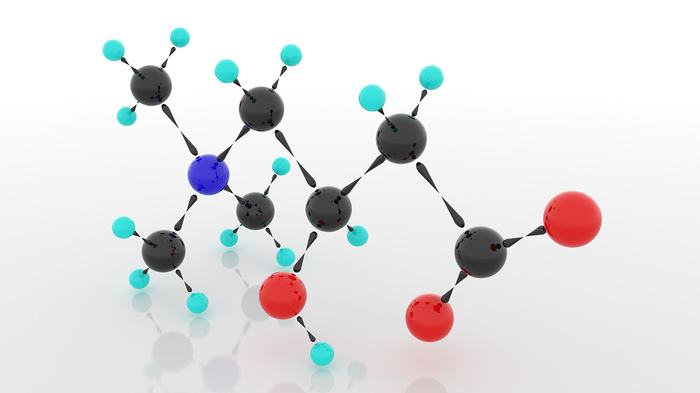
MCT oil is a blend of medium-chain fats taken from coconut or palm kernel oil. The label usually lists the chain lengths, and they behave differently:
| Oil | What it is | Ketone effect in studies |
|---|---|---|
| C8 MCT oil | Caprylic acid, usually 95%+ C8 | The strongest |
| Standard MCT oil (C8/C10) | Typically about 55–60% C8, 35–40% C10 | Moderate |
| Coconut oil | Mostly longer fats; only about 3% C8 and 5% C10 | Weak |
- C8 vs. C8/C10 Preliminary: in a crossover study of 9 healthy adults given two 20ml doses, pure C8 raised blood ketones more than every other oil tested, including standard C8/C10 MCT oil. A related study found C8 about three times as ketogenic as C10.
- Coconut oil is not a substitute Preliminary: in the same study, coconut oil's ketone peak was only about a quarter of C8's. It's a fine coffee fat if you like the taste, but don't expect MCT-oil effects from it.
- Do the ketones matter? For most people, probably not much. Raising blood ketones for a few hours hasn't been shown to improve focus in healthy adults; the evidence for that is in people with mild cognitive impairment. If you're choosing for flavor and stomach comfort rather than ketones, any plain MCT oil is fine.
Whatever you buy, check that the label states the C8 and C10 content. "MCT oil" with no breakdown tells you very little.
What Each Version Adds
The coffee itself has almost no calories, so everything comes from the fat. Butter and ghee figures use USDA data; MCT oil varies by brand, so check your label (it's usually over 100 calories per tablespoon, almost all saturated fat).
| Amount of butter or ghee | Butter | Ghee | Share of a 2,000-calorie day's saturated fat limit (22g) |
|---|---|---|---|
| 1 teaspoon | About 34 cal, 2.4g sat fat | About 37 cal, 2.6g sat fat | About 11–12% |
| 1 tablespoon | About 102 cal, 7.3g sat fat | About 112 cal, 7.9g sat fat | About a third |
| 2 tablespoons | About 204 cal, 14.6g sat fat | About 224 cal, 15.9g sat fat | About two-thirds |
A full version with a tablespoon each of MCT oil and ghee comes to over 200 calories. Popular recipes calling for two tablespoons of butter plus MCT oil reach 300 or more. That's a meal's worth of calories with no protein or fiber.
Variations
- Dairy-free: skip the ghee or butter and blend in MCT oil alone. The MCT oil still froths the coffee, and the texture is lighter.
- Iced: blend it hot first, then pour it over ice. Butterfat goes solid when cold, so blending cold coffee with butter or ghee leaves waxy flecks.
- Flavor: a pinch of cinnamon or a drop of vanilla extract blends in well. Sweetened creamers add sugar, which defeats the point if you're doing this for a low-carb diet.
- With L-Theanine: if the coffee makes you jittery, the fat won't fix that. L-Theanine has better evidence for it; see our caffeine and L-Theanine guide.
Common Mistakes
- Starting with a full tablespoon of MCT oil. This is the usual cause of an upset stomach. Start with a teaspoon and build up over a week or two.
- Stirring instead of blending. You get an oil slick and, based on the emulsion study, probably more side effects.
- Using it as your whole breakfast every day. It's almost all fat. If it replaces breakfast, eat protein at your next meal.
- Swapping in coconut oil and expecting the same effect. It's mostly longer-chain fat and was far less ketogenic in testing.
- Adding it to coffee that's already big on calories. Added to a sweetened latte, it can easily push one drink past 400 calories.
Who Should Be Careful
The same people who should be careful with bulletproof coffee: anyone with high LDL cholesterol or heart disease (because of the butter or ghee), anyone limiting caffeine, including during pregnancy, and anyone on a medically supervised diet. Our Bulletproof Coffee guide covers these in detail.