If there's one nootropic stack worth understanding first, it's this one. Caffeine and L-Theanine is cheap, simple, fast-acting, and one of the more studied combinations in the supplement world, though, as you'll see below, the studies are small and short. It's also something many people already take without realizing it — every cup of tea contains both.
Why This Stack Works
Caffeine is the world's most widely used stimulant. It increases alertness mainly by blocking adenosine, a compound that builds up during the day and makes you feel tired. The trade-off many people know well: jitters, a racing heart, anxiety, and a crash as it wears off.
L-Theanine is an amino acid from tea leaves associated with calm, relaxed alertness without drowsiness. Taken together, the idea is simple: caffeine supplies the alertness, and L-Theanine takes the edge off it. What the research actually shows is narrower than that pitch:
- Attention and alertness Established: in several small placebo-controlled trials, the combination improved accuracy when switching between tasks and self-rated alertness for an hour or two after a dose, and a 2014 meta-analysis of these trials found moderate effects on both.
- Fewer jitters Mixed: one trial found lower "headache" and "tired" ratings with the combination, but the largest direct test (48 adults, 250mg caffeine with 200mg L-theanine) found L-theanine blunted caffeine's rise in blood pressure without significantly reducing jitteriness.
- Better than caffeine alone Mixed: one study found the two simply add together rather than boosting each other, and another found that low, tea-level doses of L-theanine cancelled caffeine's measurable benefits.
It's worth keeping expectations realistic. Every trial so far tested a single dose in 20 to 48 people, several were funded by a tea company, and none followed people for longer than a day. This stack won't make you smarter; the measured effects are modest and short-lived.
The Ratio: 2:1, 1:1, and How to Choose
The 2:1 L-theanine to caffeine rule of thumb comes from the doses trials actually used, and most of the positive studies gave far less caffeine than a typical coffee:
| Study | Caffeine | L-theanine | Result |
|---|---|---|---|
| Giesbrecht 2010; Einöther 2010 | 40mg | 97mg | Better task switching |
| Owen 2008 | 50mg | 100mg | Faster, more accurate task switching |
| Dodd 2015 | 75mg | 50mg | L-theanine cancelled caffeine's benefits |
| Haskell 2008 | 150mg | 250mg | Better reaction time and accuracy; less headache and tiredness |
| Kahathuduwa 2017 | 160mg | 200mg | Faster reaction time; effects added together |
| Rogers 2008 | 250mg | 200mg | Smaller blood-pressure rise; jitteriness unchanged |
No trial tested the popular 200mg L-theanine + 100mg caffeine pairing directly; it scales the 2:1 ratio up from the low-dose studies Preliminary. A pooled analysis also found the size of the effect tracked the caffeine dose more than the L-theanine dose. Some people prefer 1:1. With that in mind, a simple way to pick a starting point:
| If you... | Try | Example |
|---|---|---|
| Are new to the stack | 2:1 | 200mg L-theanine + 100mg caffeine |
| Get jittery or anxious on coffee | 2:1 or higher | 200mg L-theanine + 50–100mg caffeine |
| Want more "kick," tolerate caffeine well | 1:1 | 100–200mg of each |
| Want a gentle afternoon lift | 2:1, low dose | 100mg L-theanine + 50mg caffeine |
Start with 2:1 at a modest caffeine dose and adjust from there. There's no benefit to pushing caffeine higher just because L-Theanine is making it feel smoother.
How Much Caffeine Is in Your Drink?
Most people take this stack with a drink rather than a caffeine pill, so it helps to know rough amounts. These figures are from the U.S. FDA, and real drinks vary a lot by brand, brew method, and serving size:
- Brewed coffee (12oz): 113–247mg.
- Decaf coffee (8oz): 2–15mg.
- Black tea (12oz): about 71mg.
- Green tea (12oz): about 37mg.
- Energy drinks (16oz): 54–328mg — check the label.
A large brewed coffee can easily contain more caffeine than any of the positive trials above used. Tea also contains L-Theanine, but a cup of black tea has only about 20mg, compared with the 100–200mg used in most studies, which is why tea drinkers who want the studied dose usually add a capsule.
How to Take It
- Take them together. Swallow an L-Theanine capsule with your coffee, or up to 30 minutes before. L-Theanine reaches its peak level in the blood about 50 minutes after a capsule, so taking both together lines up their effects.
- Morning or early afternoon only. Caffeine's effects last for hours, and how quickly you clear it varies widely with genetics, smoking, pregnancy, and some medications. L-Theanine won't stop late caffeine from disrupting your sleep.
- Take it with or after food if caffeine on an empty stomach bothers you.
- Keep total caffeine in check. The U.S. FDA cites 400mg a day as an amount not generally associated with negative effects in healthy adults. Count all sources, not just your stacked coffee.
Tolerance and Cycling
Regular caffeine users build tolerance, which is why the first coffee of a new habit feels stronger than the hundredth. Whether people build tolerance to L-Theanine hasn't been studied, and there's no evidence it undoes caffeine tolerance. If your coffee has stopped doing much, a common approach is to lower your daily caffeine for a week or two, or to save the stack for days when you really need focus, rather than increasing the dose.
Supplement Options: Separate Capsules vs. Pre-Mixed
You can buy pre-made caffeine + L-Theanine capsules, but many people prefer a plain L-Theanine capsule plus their normal coffee or tea. That way you can adjust the ratio day to day, keep the ritual of your usual drink, and avoid doubling up on caffeine. A single-ingredient 100mg or 200mg L-Theanine capsule is the most flexible starting point. If you want more detail on choosing one, including why Suntheanine shows up on labels, see our full L-Theanine guide.
Adding a Third Ingredient
This stack is often the base for more elaborate routines:
- + Lion's Mane: a popular "mushroom coffee" routine for long-term brain health — see our Lion's Mane guide.
- + Rhodiola: for demanding stretches when stress shows up as fatigue — see Rhodiola vs. L-Theanine.
- As part of a study routine: see our best nootropic stack for studying.
Who Should Be Careful
- Pregnant or breastfeeding: the NHS and the American College of Obstetricians and Gynecologists advise keeping caffeine under 200mg a day in pregnancy, and there isn't enough safety data on L-Theanine supplements — check with your doctor.
- Heart rhythm problems, high blood pressure, or anxiety disorders: caffeine can make these worse; talk to a doctor before using stimulants.
- Medications: in small studies L-Theanine blunted rises in blood pressure from caffeine or stress, and caffeine interacts with a number of medications and with other stimulants. Ask a pharmacist if you're unsure.
- Teenagers: the limit used in safety reviews is 2.5mg of caffeine per kg of body weight a day, about 150mg for a 60kg (130lb) teen.
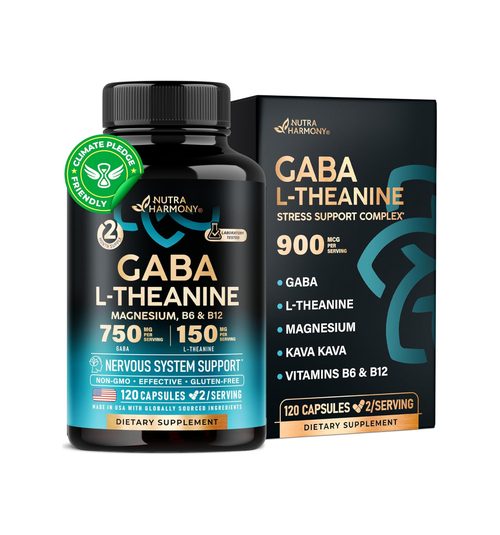
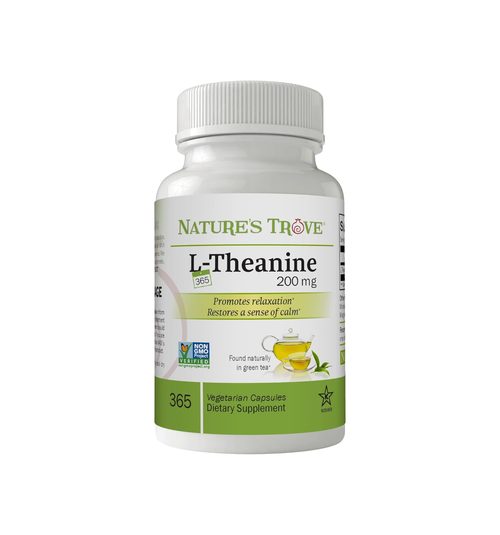
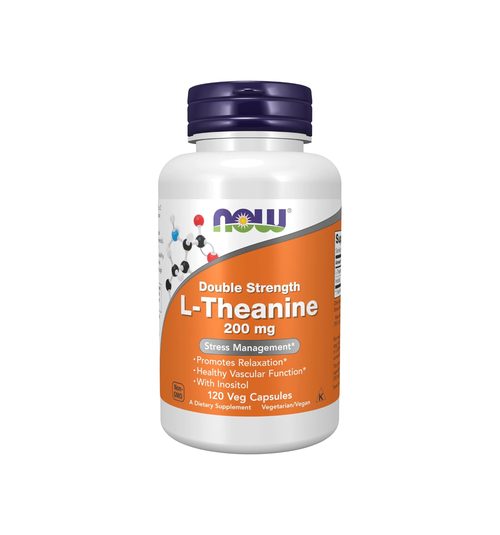
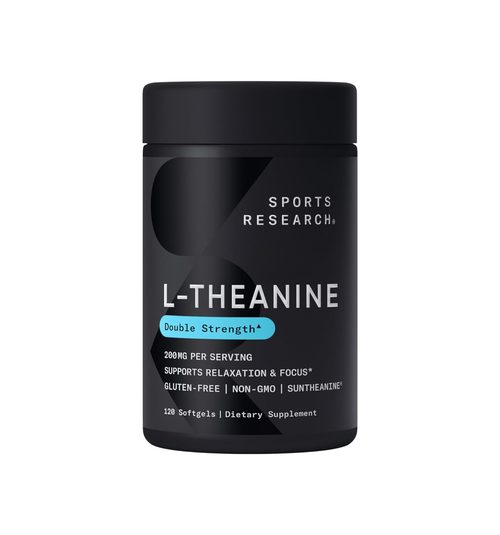
Below are the four L-Theanine products on HighIQ Nootropics. For this stack, the single-ingredient 200mg options are the easiest to pair with coffee; the GABA combination formula is better suited to evening use.