People searching for "nootropics for ADHD" are usually looking for something that helps focus, either as an alternative to medication or alongside it. This page doesn't recommend a supplement. It reports what systematic reviews of the trials found, which is mostly modest, mixed or low quality, and points out where the evidence stops. ADHD is a medical condition that benefits from proper assessment and care. For the general picture on nootropics, see our nootropics guide.
The Short Version
| Supplement | What reviews found | Verdict |
|---|---|---|
| Omega-3 (fish oil) | Conflicting: small benefit in youths in one meta-analysis; none overall in two larger ones | Mixed |
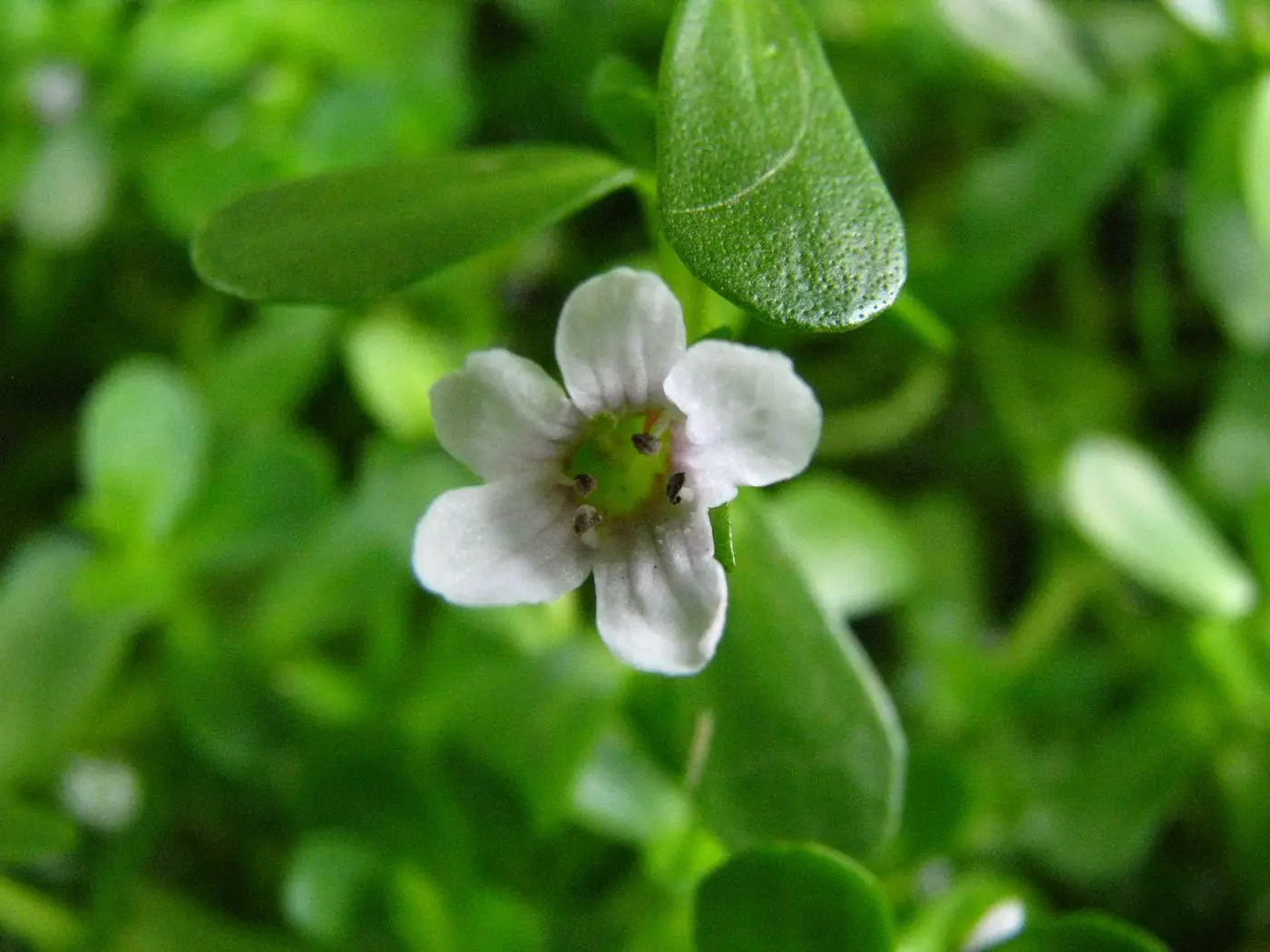
| Bacopa monnieri | Improved inattention and hyperactivity in small trials; "fair indication" in one review | Preliminary |
| L-theanine | Better sleep efficiency in boys with ADHD; no ADHD-symptom benefit shown | Not shown for symptoms |
| Caffeine | No significant benefit alone; with L-theanine it may help attention | Not shown |
| Ginkgo biloba | Reduced symptoms, but less effective than methylphenidate | Limited |
| Vitamin D | Small benefit as an add-on to methylphenidate; low-quality evidence | Limited |
| Magnesium, iron, zinc | No predominant evidence | Not shown |
Supplements Don't Replace ADHD Treatment
A 2025 systematic review of L-theanine, caffeine, ginkgo and Bacopa concluded that there's potential for supplements as complementary treatments under clinical guidance, but that their limited effect cannot replace the well-documented efficacy of stimulants. It also noted that more research is needed on dosages and the safety of these supplements as adjuncts. Don't stop or change prescribed medication in favour of a supplement, and tell your doctor about anything you add.
Omega-3 and ADHD: Conflicting Results
Omega-3 is the most-studied supplement for ADHD, and reviews disagree Mixed:
- A 2018 meta-analysis of seven trials (534 youths) found omega-3 improved clinical symptom scores (an effect size of 0.38) and, in three trials, attention-related cognitive measures. Youths with ADHD also had lower blood levels of DHA and EPA.
- A 2021 meta-analysis of 31 trials (1,755 patients) found no effect on core symptoms rated by parents or teachers, and no effect on behaviour or quality of life, though omega-3 didn't increase side effects. The authors rated the certainty of evidence as questionable.
- A 2023 meta-analysis of 22 studies (1,789 participants) found no significant overall improvement in core symptoms, but a benefit in trials lasting at least 4 months (a standardized difference of -0.35). Neither a high EPA dose nor a high EPA/DHA ratio improved symptoms.
The fair summary: any benefit is small, may need months, and isn't consistent across reviews.
Bacopa and Other Herbs
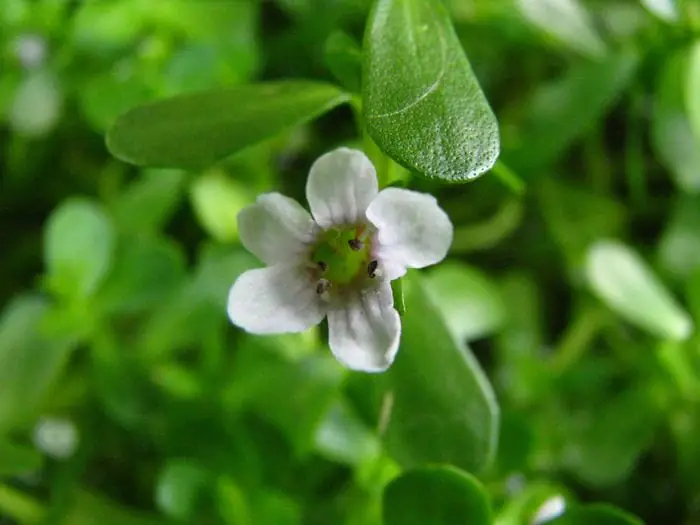
A 2022 systematic review of seven randomized trials of herbal treatments in children and adolescents with ADHD found a fair indication of efficacy and safety for lemon balm, Bacopa monnieri, chamomile and valerian in the trials evaluated, limited evidence for Ginkgo biloba and pine bark extract, and no significant efficacy for various other plants. It concluded there was inadequate proof to strongly support any of them Preliminary. The 2025 review likewise reported that Bacopa consistently improved inattention, hyperactivity and memory in the studies it covered, while Ginkgo reduced symptoms but was less effective than methylphenidate. These are small studies, and Bacopa takes weeks of daily use; our Bacopa guide covers dose and side effects.
L-Theanine, Caffeine and Focus
L-theanine appears here mainly for sleep: the 2025 review found it improved sleep efficiency but not other sleep measures, and a 6-week trial in 98 boys with ADHD found better sleep efficiency on wrist monitors at 400mg a day. Caffeine on its own showed no significant benefit for ADHD, though combining it with L-theanine may improve attention. For the dose and caffeine details, see L-theanine dosage and our caffeine + L-theanine guide. Caffeine isn't suitable for everyone, so discuss it with a doctor if you take stimulant medication.
Vitamin D, Iron, Zinc and Magnesium
- Vitamin D: four trials in 256 children found a small but statistically significant improvement in ADHD scores when vitamin D was added to methylphenidate, but the quality of evidence was low to very low. Reported adverse events were mild and similar to the control group.
- Magnesium, iron and zinc: a systematic review of 11 randomized trials found no predominant evidence for any of them in children with ADHD, and called for more research. These nutrients matter if you're deficient, which is a question for a doctor and a blood test.
What About Adults?
Most of the reviews above cover children and adolescents. Evidence in adults with ADHD is thinner, so don't assume the same results apply.
Practical Takeaways
- If you suspect ADHD, get an assessment before experimenting. Treatment options with strong evidence exist.
- If you take ADHD medication, don't swap it for supplements, and ask a doctor or pharmacist before adding any, particularly stimulants like caffeine.
- If you want to try something, omega-3 has the most research but mixed results (any benefit appeared only with months of use), and L-theanine has some evidence for sleep but not for ADHD symptoms. Expect small effects at best.
- Avoid products sold as "ADHD cures" and prescription-style "smart drugs" bought online.