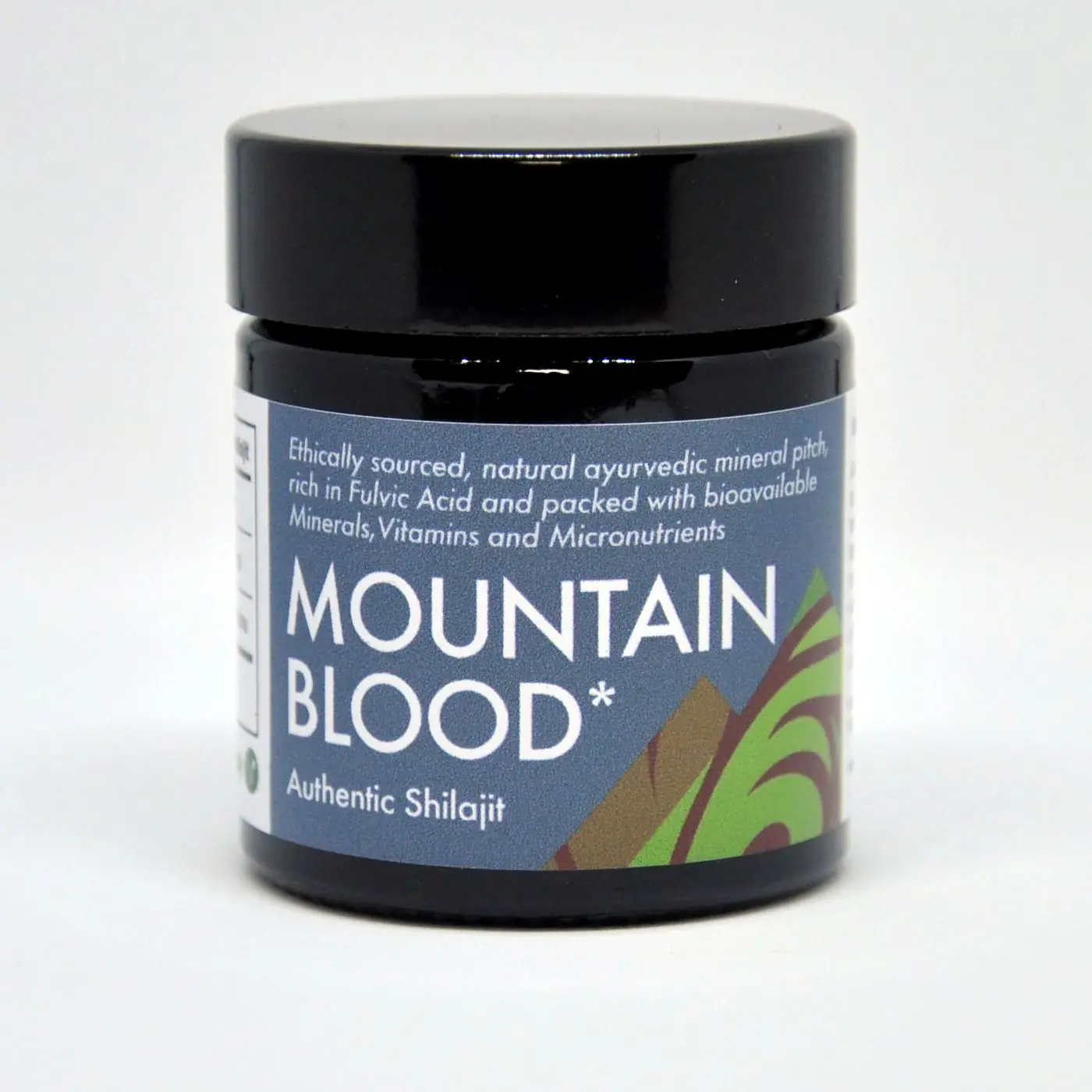
Search results for shilajit are full of marketing, so it's worth separating what human trials found from what labels promise. This guide covers the research on men and on women, the doses used, what "Himalayan" does and doesn't mean, and the safety reports. For the basics, resin versus capsules and how to read a label, see our shilajit guide.
What "Himalayan Shilajit" Means
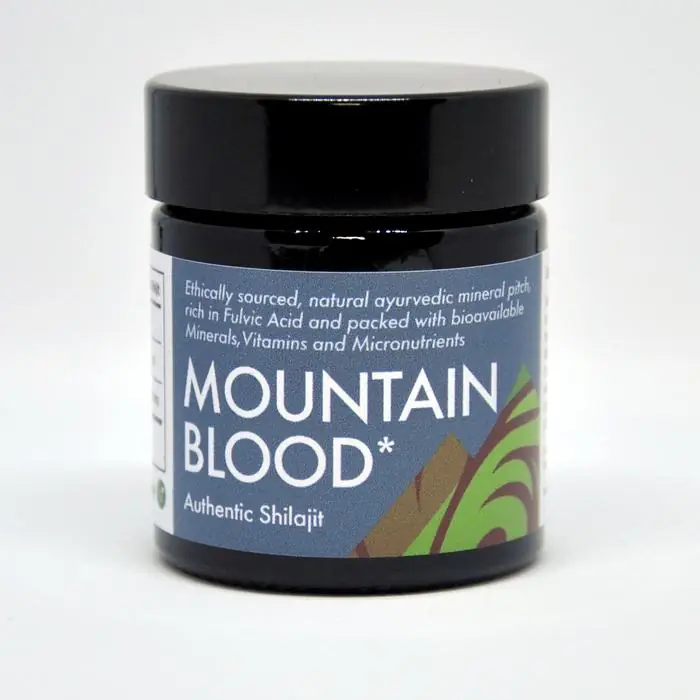
Shilajit is a tar-like substance that seeps from mountain rock, and "Himalayan" simply names where it's said to come from. It isn't a quality grade. Shilajit sampled in research contained dozens of metals, including lead, arsenic, cadmium and mercury; a 2024 review found most reported samples were within WHO and FDA limits, but some studies found levels above them. That's why raw shilajit shouldn't be eaten, and why a third-party lab test matters more than the origin on the jar.
Shilajit Benefits for Men
| Finding | Trial | Strength of evidence |
|---|---|---|
| Higher total and free testosterone and DHEAS | Healthy men aged 45–55, 250mg purified shilajit twice a day vs placebo, 90 days | One placebo-controlled trial |
| Higher sperm count (+61%) | 28 men with low counts, 100mg twice a day for 90 days | No placebo group |
| Less strength loss after fatiguing exercise | 63 active young men, 500mg a day (not 250mg), 8 weeks | Only in the stronger half of participants |
| Strength, endurance and fatigue improvements | 25 men, 500mg a day of shilajit resin, 28 days, open-label | No placebo group; a pilot |
A 2024 systematic review of 52 studies of "testosterone boosters" found most failed to raise total testosterone, but rated purified shilajit extract (PrimaVie) as possibly effective for men with late-onset hypogonadism Preliminary. That's a cautious endorsement of one extract from a handful of trials, not a general verdict on every product labelled Himalayan shilajit. Whether higher testosterone translates into feeling better is unproven. For a comparison with ashwagandha, see ashwagandha for men.
Shilajit Benefits for Women
Research in women is thinner, and nothing has tested the claims common in marketing, such as hormone balance, libido, energy or fertility in women Not studied. What exists:
- Bone (postmenopausal women with osteopenia): in a randomized, double-blind trial of 60 women aged 45–65, a standardized aqueous shilajit extract at 250mg or 500mg a day for 48 weeks reduced bone loss at the spine and femoral neck compared with placebo, in a dose-dependent way, along with lower markers of bone turnover, oxidative stress and inflammation Preliminary. It's one trial of one extract, and it hasn't been independently repeated.
- Skin (healthy middle-aged women): in a 14-week study, 250mg twice a day improved skin blood flow compared with baseline or placebo, and changed activity of genes involved in blood vessel growth and the skin's supporting matrix. This is a small mechanism study, not proof of visible skin benefits.
If bone health is your concern, treat shilajit as unproven and follow your doctor's advice on calcium, vitamin D and resistance exercise.
How Much Shilajit to Take
| Use | Dose used in trials |
|---|---|
| Testosterone in men aged 45–55 | 250mg purified extract twice a day (500mg a day), 90 days |
| Low sperm count | 100mg twice a day, 90 days |
| Strength and fatigue | 500mg a day (250mg had no clear effect), 8 weeks; resin 250mg twice a day for 28 days |
| Bone in postmenopausal women | 250mg or 500mg a day, 48 weeks |
| Skin blood flow in women | 125mg or 250mg twice a day, 14 weeks (the higher dose improved skin blood flow) |
Most trials used 200–500mg a day of a purified extract. For resin, our shilajit guide explains how to estimate a dose. Effects in trials appeared after weeks, not days.
Safety: What to Know
- Purity: the biggest practical risk is toxic metals in unpurified product. Buy only products with third-party heavy-metal testing.
- Pregnancy and breastfeeding: avoid it. A case report describes a pregnant woman who took "mumijo" (shilajit) for six months and developed high blood pressure and low potassium from a licorice-like syndrome, which was treated by stopping it and replacing potassium.
- Allergy: a case report described anaphylaxis in a woman with a possible mast cell disorder after shilajit, along with other triggers, so anyone with severe allergies or mast cell problems should ask a doctor first.
- Other conditions: people with hemochromatosis or hormone-sensitive conditions, and anyone on regular medication, should check with a doctor, as covered in the shilajit guide.
- Long-term use: the longest trial ran 48 weeks, and purified extracts were well tolerated in the trials, but long-term safety isn't established.