Walk down any supplement aisle and you'll see "organic," "natural," "pure," and "clean" on almost every bottle of herbal supplements. Some of those words mean something specific; most don't. For herbs in particular, and for Ayurvedic herbs like ashwagandha and Shilajit most of all, the label word that matters most is one you'll rarely see on the front: tested.
What "Organic" on a Herbal Supplement Actually Means
In the US, a USDA Organic seal means the plant ingredients were grown and handled under organic rules: no synthetic pesticides or fertilizers, no genetic modification, and inspection of the farm and processor. That's worth something if you care about how your herbs are farmed.
What it doesn't tell you:
- Whether the product contains what the label says, at the stated dose.
- Whether it's free of heavy metals. Plants absorb lead, arsenic, and cadmium from soil, and organic farming rules don't test for them in the finished product.
- Whether it's the form that was studied. An organic root powder isn't the same as the standardized extract used in clinical trials.
So organic herbal products are a reasonable choice, but "organic" is a farming standard, not a quality guarantee.
"Natural" Means Almost Nothing
"Natural" isn't a regulated term on supplements. It's applied to products made from plants, minerals, and lab-made compounds alike. And natural doesn't mean safe: ashwagandha has rare reports of liver injury, Shilajit is a mineral resin that can carry heavy metals if it isn't purified, and many herbs interact with medication. Treat "natural diet supplements" and "all-natural herbal remedy" as marketing language and look past them to the label details below.
Why Testing Matters More Than Any Label Word
In the US, dietary supplements don't need FDA approval before they're sold. The manufacturer is responsible for safety and labeling, and problems are usually caught after products are already on shelves. For herbs, contamination is the clearest risk Established:
- When researchers bought 193 Ayurvedic products from websites, about one in five contained lead, mercury, or arsenic, at levels above at least one daily-intake safety standard.
- US-made products were contaminated about as often as products made in India.
- Three-quarters of the contaminated products claimed to follow Good Manufacturing Practices, so a "GMP" claim on the bottle isn't proof of purity either.
Those studies are from 2004 and 2008, and they mostly involved traditional multi-ingredient formulas, some of which deliberately include metals. But they're the reason independent testing is the first thing to check on any herbal supplement.
Signs of a Herbal Supplement Worth Buying
| Label detail | What it tells you |
|---|---|
| NSF or USP seal | An independent organization checked that the product contains what it says, and screened it for contaminants |
| Certificate of Analysis (COA) | Lab results for a specific batch, ideally from an independent lab, including heavy metals |
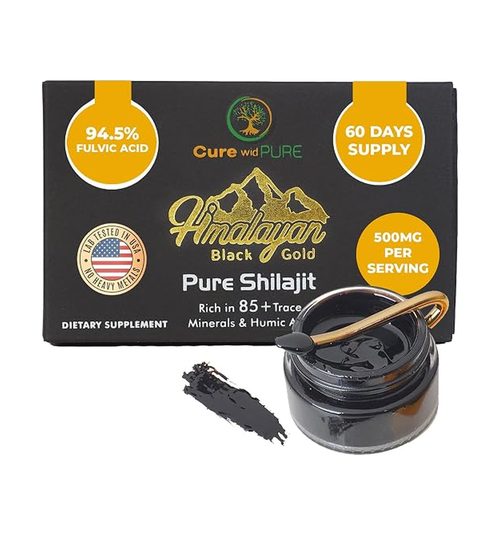
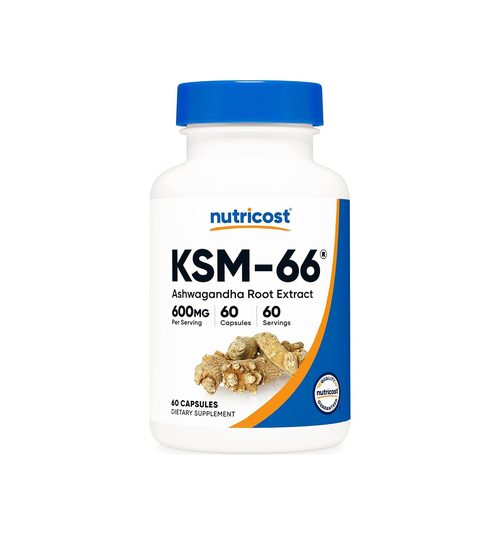
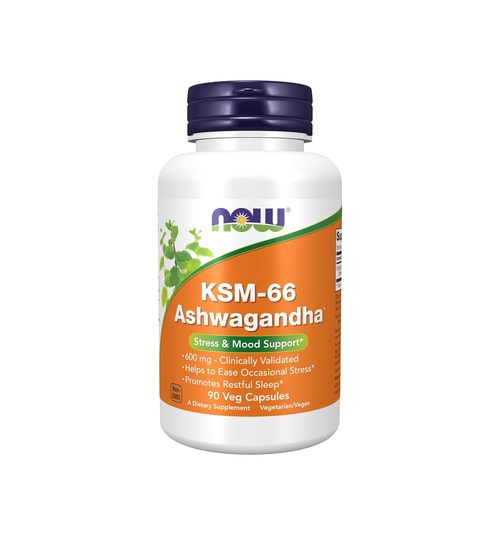
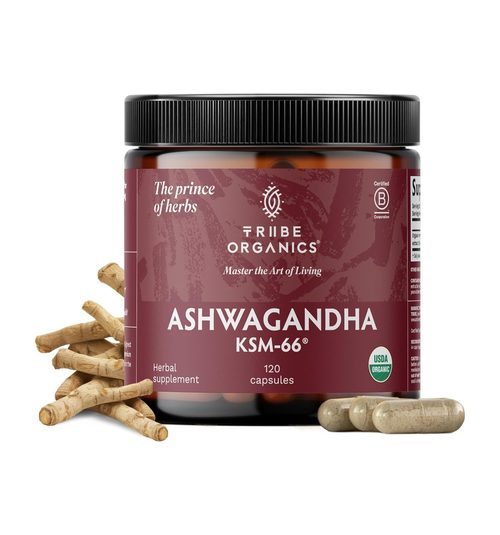
| Named, standardized extract | For example KSM-66 ashwagandha or a stated fulvic acid percentage for Shilajit; lets you match the product to research |
| Plant part and species | "Withania somnifera root" or "Bacopa monnieri whole herb" rather than just the common name |
| Dose per serving | A clear amount you can compare with studied doses |
| USDA Organic | How the plant was grown; useful, but not a substitute for the rows above |
Red Flags
- Proprietary blends that list several herbs under one total weight, so you can't tell how much of each you're getting.
- Disease claims such as "cures depression" or "treats diabetes." Supplements aren't allowed to make them in the US, and a seller who does is ignoring the rules.
- No testing information, and no reply when you ask for a COA.
- Traditional formulas that list metals or minerals (such as "bhasma" preparations) without heavy-metal test results.
- Prices far below everyone else's for an extract that is expensive to make.
Herbal Remedies and Medication
An herbal remedy is still an active substance. Many herbs affect blood pressure, blood sugar, the thyroid, sedation, or how the liver processes drugs. Before starting any herbal supplement, tell your doctor or pharmacist what you plan to take if you're pregnant or breastfeeding, take prescription medication, or have a liver, kidney, thyroid, or autoimmune condition. For mood problems like depression, see a doctor rather than trying herbal remedies on your own: some popular herbs interact dangerously with antidepressants.
Applying This to the Herbs We Cover
Each of our guides ends with a buyer's checklist specific to that herb. The quick version:
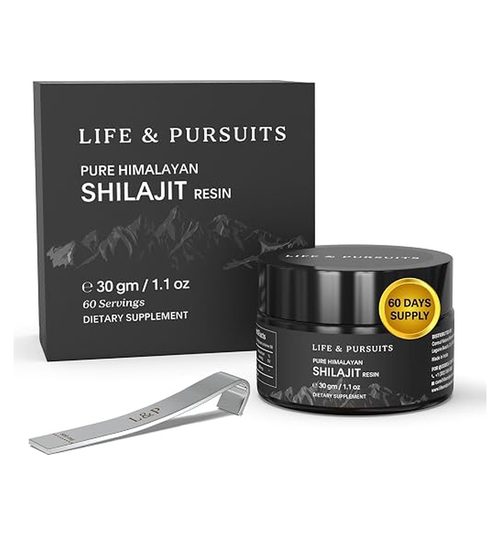
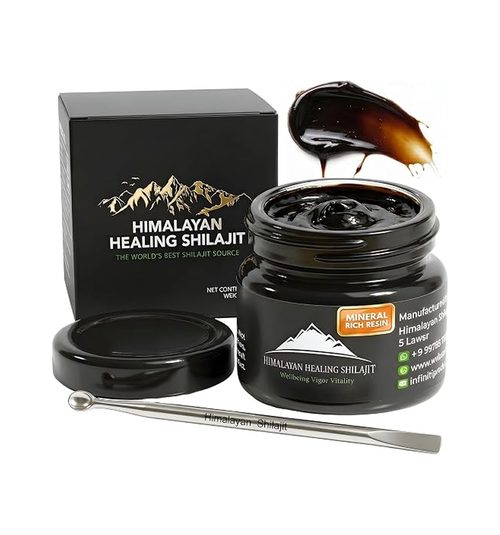
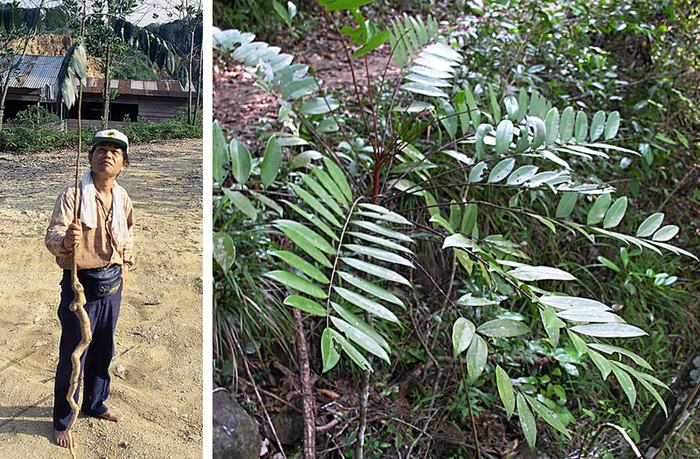
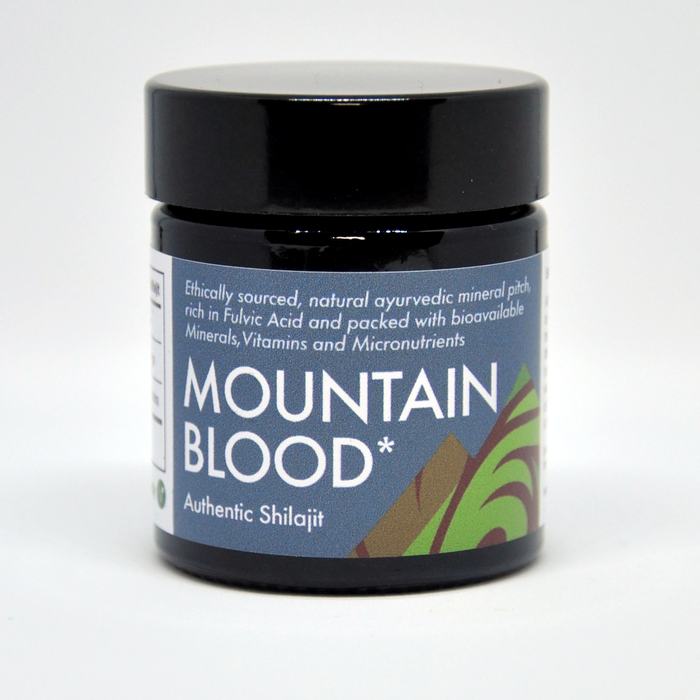
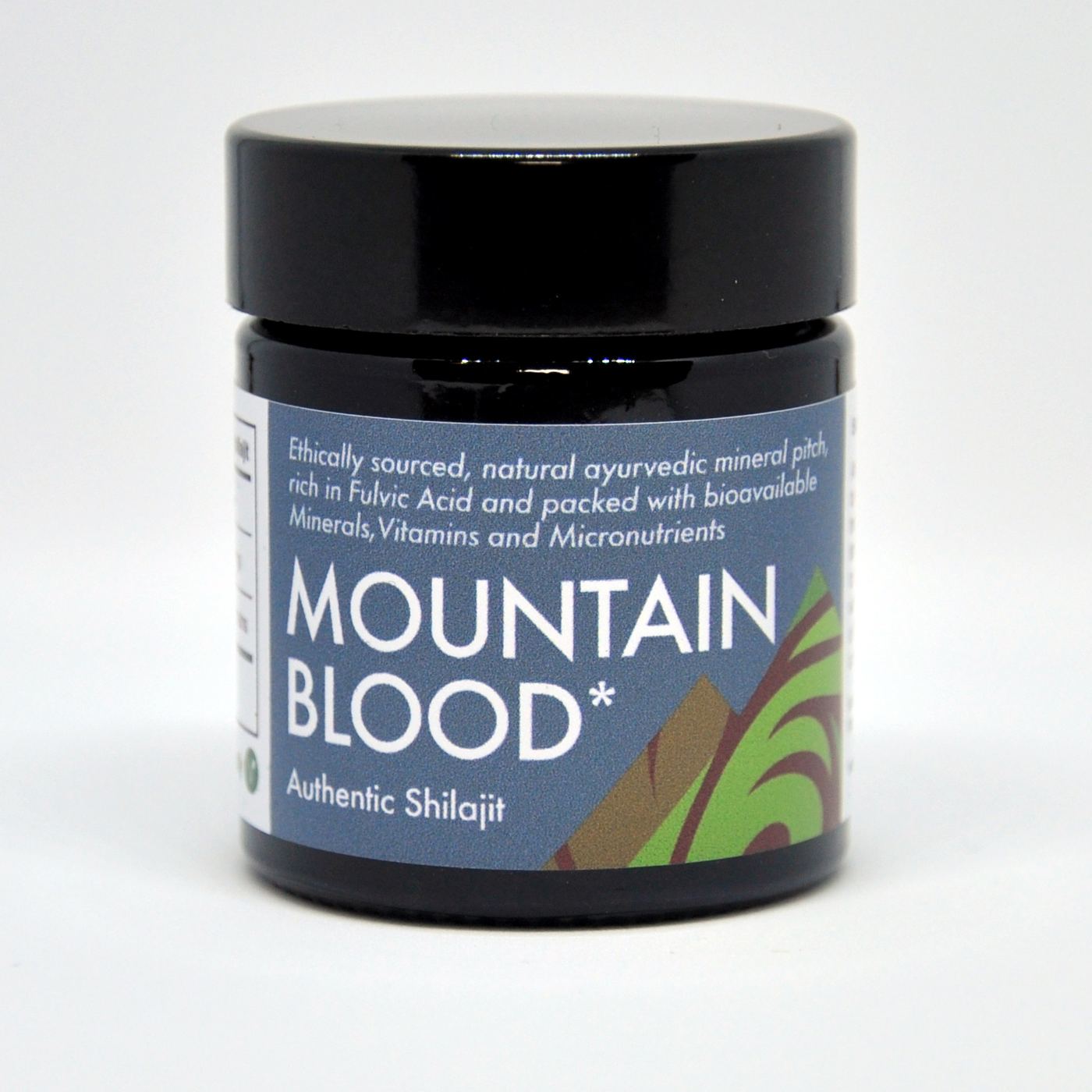
- Shilajit: heavy-metal testing is non-negotiable, because it's a mineral resin from rock.
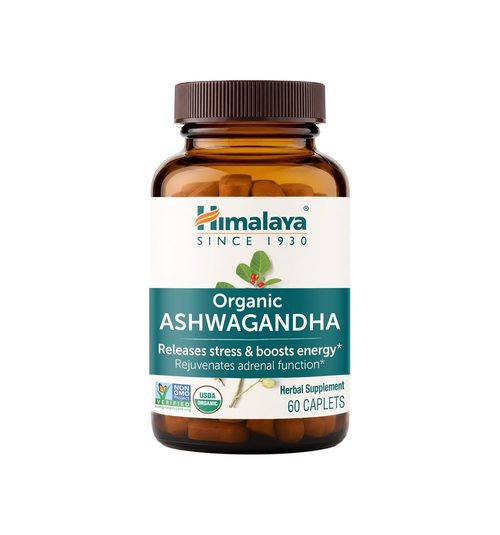
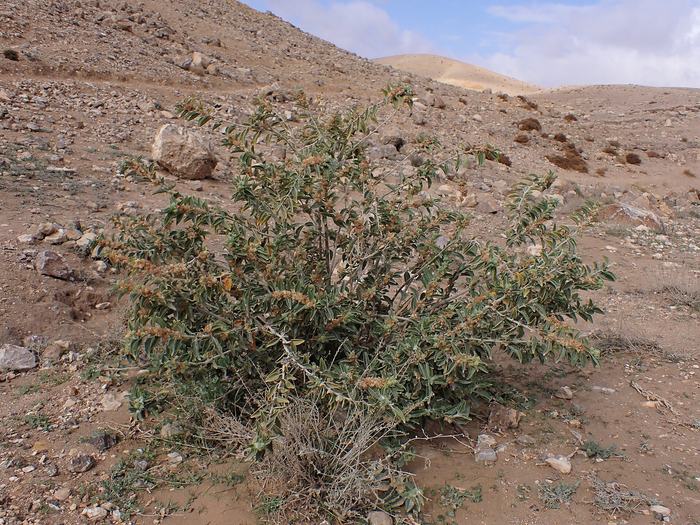
- Ashwagandha: look for a named root extract and a stated withanolide percentage; see how to choose an ashwagandha supplement.
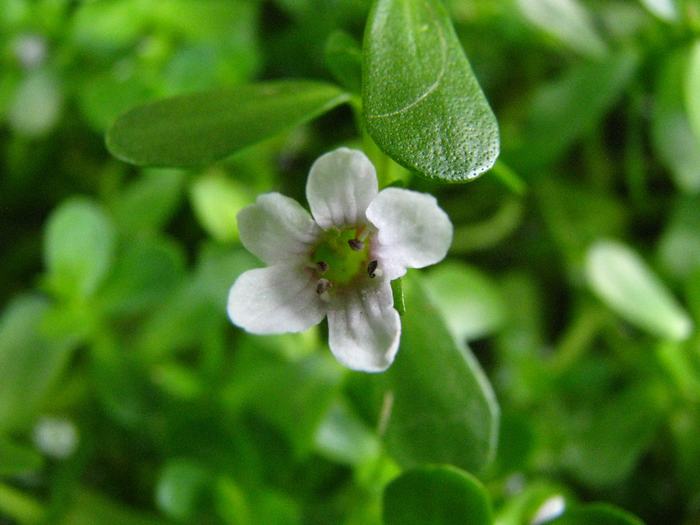
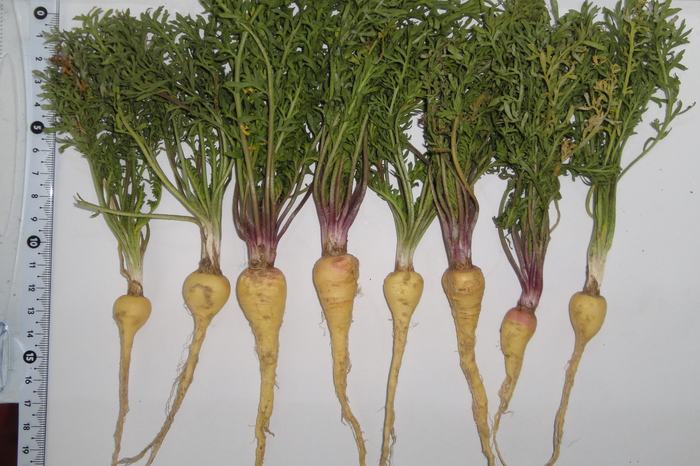
- Bacopa Monnieri: check the bacoside percentage, and take it with food.
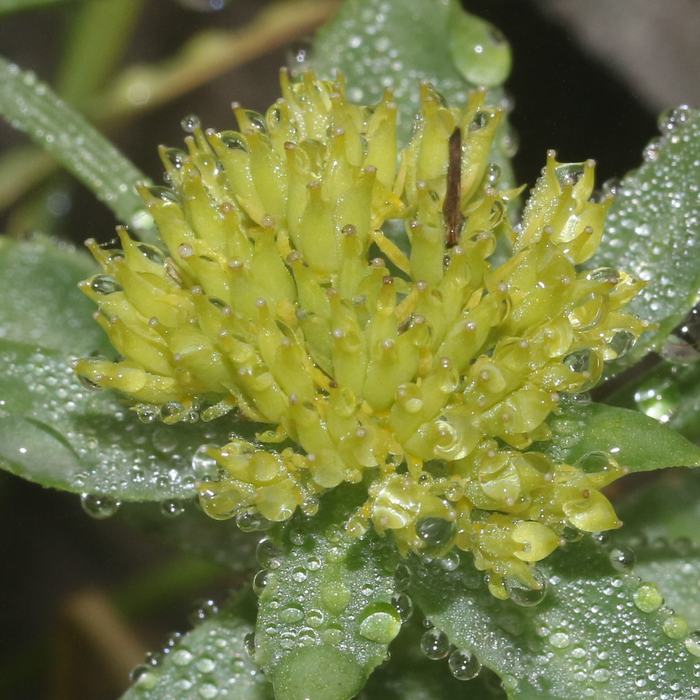
- Rhodiola Rosea: make sure it's Rhodiola rosea, not another species, with rosavins and salidroside stated.
- Tongkat Ali: the extraction ratio and eurycomanone content matter more than milligrams.
Below are the Shilajit and ashwagandha products HighIQ Nootropics carries, two Ayurvedic categories where testing and extract details matter most. You can compare every product's form, strength, and standardization on our comparison page.