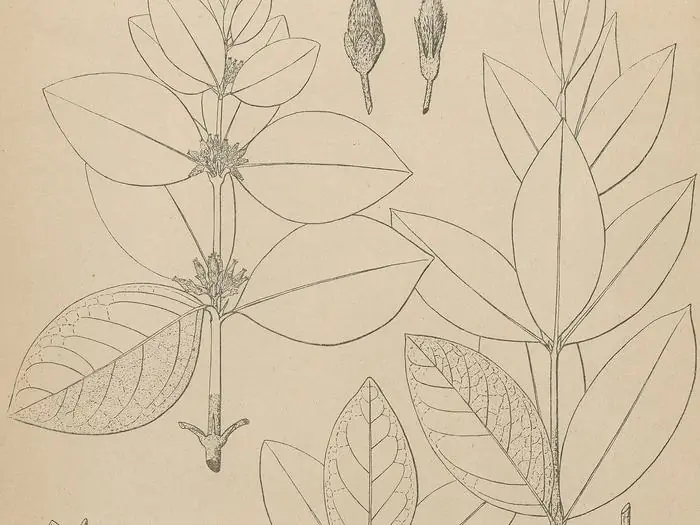
Ashwagandha (Withania somnifera) shrub growing wild on a rocky hillside

Photo: Krzysztof Ziarnek, Kenraiz, CC BY-SA 4.0, via Wikimedia Commons

Ashwagandha for Sleep

Ashwagandha for Sleep: Does It Work, How Much, and the Best Time to Take It

The Short Answer

Ashwagandha root extract has a small but real effect on sleep: a meta-analysis of five placebo-controlled trials (400 people) found better sleep, most clearly in adults with insomnia, at 600mg a day or more, and after 8 weeks or longer. It isn't a sedative that works the first night. No trial has compared morning with evening dosing, so "best time" is a practical choice: the trials used 120mg once a day or 300mg twice a day, and many people take the main dose in the evening. One 2026 trial found it comparable to 3mg of melatonin, with the combination working best.

Ashwagandha has a reputation as a calming, sleep-friendly herb, and unlike many supplements it has several randomized, placebo-controlled trials on sleep specifically. The results are encouraging but modest, and some of the questions people ask most, like the best time of day to take it, haven't been tested directly. This guide covers what the trials found, how much they used, and how to decide when to take it. For the broader overview, see our ashwagandha guide.

Does Ashwagandha Help You Sleep?

A 2021 meta-analysis of five randomized trials (400 adults) found a small but significant improvement in overall sleep compared with placebo, with a pooled standardised effect of about -0.59 Preliminary. The effect was clearer in adults diagnosed with insomnia, at doses of 600mg a day or more, and after 8 weeks or longer. Mental alertness on waking and anxiety also improved. A 2024 meta-analysis of five trials (254 people) agreed on lower sleep-onset time, longer total sleep time, better sleep efficiency and better PSQI sleep-quality scores, though not for time awake after falling asleep, and it noted very high variation between studies.

What Each Trial Found

TrialDose and lengthResult
150 healthy adults with non-restorative sleep120mg standardized extract once a day, 6 weeksSelf-reported sleep quality up 72% vs 29% on placebo; better sleep efficiency, total sleep time and sleep latency on wrist monitors
60 adults with insomnia and anxiety300mg twice a day, 10 weeksSleep onset about 29 vs 34 minutes on placebo; better sleep efficiency and sleep quality
80 people (40 healthy, 40 with insomnia)Root extract, 8 weeksImproved sleep in both groups, more in the insomnia group
60 college students700mg a day, 30 daysBetter restorative-sleep scores than placebo; the group-by-time test wasn't significant
200 adults aged 18–50300mg twice a day, 8 weeksShorter sleep onset than placebo; compared with 3mg melatonin (below)

All of these were done with standardised root extracts, and several came from India with industry involvement, so the trials are encouraging but not independent confirmation.

Ashwagandha vs. Melatonin

A 2026 four-arm trial of 200 adults compared 300mg of ashwagandha twice a day, 3mg of melatonin, the two together, and placebo, over 8 weeks. All three active groups fell asleep faster than placebo, ashwagandha and melatonin alone gave moderate and comparable benefits, and the combination was the most consistent on sleep onset, total sleep time, time awake after sleep onset and sleep efficiency. Mild adverse events occurred in all groups. One trial can't settle it, but it suggests ashwagandha is a plausible alternative or add-on for people who don't want to rely on melatonin alone.

What's the Best Time of Day to Take Ashwagandha?

No trial has compared morning with evening dosing, so nobody can tell you the best time from the evidence Not studied. What the trials do show is how it was given:

  • One trial gave 120mg once a day for 6 weeks.
  • The longer insomnia trial gave 300mg twice a day, with milk or water, for 10 weeks.
  • Effects built up over 6 to 10 weeks, so the timing of a single dose mattered less than taking it every day.

With that in mind, a reasonable approach (practical reasoning, not a trial result):

  • If you want it for sleep: take the main dose with your evening meal or an hour or two before bed, since drowsiness is a reported side effect.
  • If it makes you sleepy: keep it in the evening and avoid taking it before driving or demanding work.
  • If you use it for daytime stress: splitting it as 300mg in the morning and 300mg in the evening matches the doses most trials used.
  • Be consistent. The benefit builds with daily use, so a regular time you'll remember is better than a perfect one you'll miss.

How Much to Take for Sleep

ApproachDose from trials
Lower dose, healthy adults with poor-quality sleep120mg standardized extract once a day
Insomnia300mg twice a day (600mg a day), 8–10 weeks

The meta-analysis found the clearest effects at 600mg a day or more and after 8 weeks or longer, and most trials stopped at 700mg a day. Don't take more than the label says. Our best ashwagandha supplement guide explains how to choose a standardised extract.

How Long Until You Notice

Don't expect a first-night effect. The trials measured sleep after 4 to 10 weeks, and the meta-analysis found effects were bigger after 8 weeks or more. If you notice nothing after about two months at a trial dose, it may not be for you.

Side Effects and Who Should Be Careful

  • Drowsiness is the one that matters here. In a 2026 review of 23 trials, mild effects like stomach upset, headache and transient drowsiness were infrequent and also occurred on placebo.
  • Sedatives and sleep medication: it may add to their effect, so ask a doctor or pharmacist first.
  • Alcohol: no study has tested it alongside; see is ashwagandha safe?.
  • Thyroid, liver, pregnancy, autoimmune conditions: check with a doctor first. The safety guide has the details, including the rare liver injury and thyroid case reports.

If poor sleep is persistent or comes with loud snoring, daytime sleepiness or low mood, it's worth seeing a doctor rather than relying on a supplement.

For the stress side of the story, see ashwagandha for anxiety and stress. If you're comparing sleep supplements, L-theanine dosage covers another popular option.

Frequently Asked Questions

Does ashwagandha help you sleep?

A little, according to the trials. A meta-analysis of five placebo-controlled trials (400 people) found a small but significant improvement in sleep, clearest in adults with insomnia, at 600mg a day or more, and after 8 weeks or longer.

What is the best time to take ashwagandha for sleep?

No trial has compared morning with evening dosing, so there's no proven best time. Many people take the main dose in the evening because drowsiness is a reported effect. What matters most is taking it every day.

Should I take ashwagandha in the morning or at night?

For sleep, evening is a reasonable choice. For daytime stress, trials used 300mg twice a day. If it makes you drowsy, take it in the evening. No study shows one time is better.

How much ashwagandha should I take for sleep?

Trials used 120mg of a standardized extract once a day, or 300mg twice a day. The meta-analysis found the clearest effects at 600mg a day or more.

How long does ashwagandha take to help sleep?

Weeks rather than days. Trials measured effects after 4 to 10 weeks, and the benefit was bigger after 8 weeks or longer.

Is ashwagandha better than melatonin for sleep?

In one 2026 trial of 200 adults, 300mg of ashwagandha twice a day and 3mg of melatonin gave comparable benefits, and taking both worked best. One trial can't settle it.

Can ashwagandha make you drowsy?

Transient drowsiness is a reported mild side effect, though it also occurred on placebo in trials. Avoid driving or operating machinery until you know how it affects you.

Can you take ashwagandha with sleeping pills?

Ask a doctor or pharmacist first. Ashwagandha may add to the effect of sedatives, and its combination with prescription sleep medication hasn't been well studied.

The Evidence

Established replicated in several controlled human trials or a review. Preliminary small, short, or single studies. Mixed studies disagree. Not supported so far tested and not shown to work.

  1. Cheah et al., 2021, PLoS One (systematic review and meta-analysis). 5 randomized trials, 400 adults. Small but significant improvement in overall sleep (SMD -0.59), larger in people with insomnia, at 600mg/day or more, and after 8 weeks or longer; also better mental alertness on rising and less anxiety. No serious side effects reported; limited long-term safety data.
  2. Fatima et al., 2024, Human Psychopharmacology (meta-analysis). 5 randomized trials, 254 people with anxiety or insomnia. Improved sleep onset latency, total sleep time, PSQI score and sleep efficiency; no effect on wake after sleep onset or time in bed; very high heterogeneity and a call for larger studies.
  3. Deshpande et al., 2020, Sleep Medicine. 150 healthy adults with non-restorative sleep (144 completed); 120mg standardized extract (Shoden) once daily vs placebo for 6 weeks. Self-reported sleep quality up 72% vs 29%; better sleep efficiency, total sleep time, latency and time awake after sleep onset on actigraphy; no treatment-related adverse events.
  4. Langade et al., 2019, Cureus. 60 adults with insomnia and anxiety, 2:1 randomization; 300mg full-spectrum root extract twice daily with milk or water vs placebo for 10 weeks. Sleep onset latency 29.0 vs 33.9 minutes; sleep efficiency rose from 75.6 to 83.5 (placebo 75.1 to 79.7); better sleep quality and anxiety scores.
  5. Langade et al., 2021, Journal of Ethnopharmacology. 80 participants (40 healthy, 40 with insomnia); root extract vs placebo for 8 weeks. Improved sleep onset latency, sleep efficiency, total sleep time, wake after sleep onset, sleep quality and mental alertness, more so in the insomnia group.
  6. O'Connor et al., 2022, Journal of Medicinal Food. 60 healthy college students; 700mg/day full-spectrum root extract vs placebo for 30 days. Higher restorative-sleep scores than placebo (58.4 vs 48.2) after adjusting for baseline; the main group-by-time test was not significant; lower food cravings.
  7. Movva et al., 2026, Clocks & Sleep. 200 adults aged 18–50; ashwagandha 300mg twice daily, melatonin 3mg, both, or placebo for 8 weeks. Sleep onset latency fell in all active groups, ashwagandha and melatonin alone comparable, combination best across sleep onset, total sleep time, wake after sleep onset and efficiency; mild adverse events in all groups.
  8. Coope et al., 2026, Pharmaceuticals (systematic review). 23 randomized trials, 2,317 healthy adults; standardised root extract at 125–600mg/day, single dose to 180 days. No serious adverse events attributed to it; mild gastrointestinal discomfort, headache and transient drowsiness infrequent and also in comparison groups. Some authors work for or consult for supplement-industry companies.

Products We've Looked At

The Ashwagandha products HighIQ Nootropics currently lists, with the label details that matter. Links open the full listing there. See every product side by side.

  • Nutricost KSM-66 Ashwagandha — KSM-66 at 600mg, standardized to 5% withanolides: the form and dose used in many of the stress trials. Adds BioPerine. 60 capsules.
  • NOW KSM-66 Ashwagandha — The same 600mg KSM-66 dose without BioPerine, extracted without alcohol or chemical solvents. 90 veg capsules.
  • Tribe Organics KSM-66 Ashwagandha — Organic-certified KSM-66 (5% withanolides), solvent-free. The label doesn't lead with a per-capsule dose. 120 capsules.
  • Himalaya Organic Ashwagandha — A 670mg mix of root powder and extract rather than a pure branded extract. USDA Organic, in an amber glass bottle. 60 caplets.

This article is for general information only and is not medical advice. Consult a healthcare provider before starting any new supplement. Nootropics Blog and HighIQ Nootropics are run by the same person; product details and pricing are maintained on HighIQ Nootropics, not here.