Phenibut turns up on forums and online shops as a "nootropic" for anxiety, sleep and social confidence. That framing leaves a lot out. Phenibut is a prescription drug in some countries, it is not a legal supplement ingredient in the United States, and US poison centers have recorded serious harm. This page is a safety explainer, not a recommendation. We don't sell it and don't link to anyone who does.
What Is Phenibut?
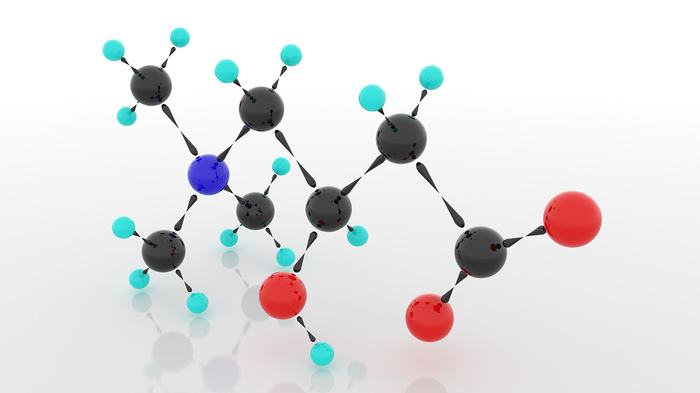
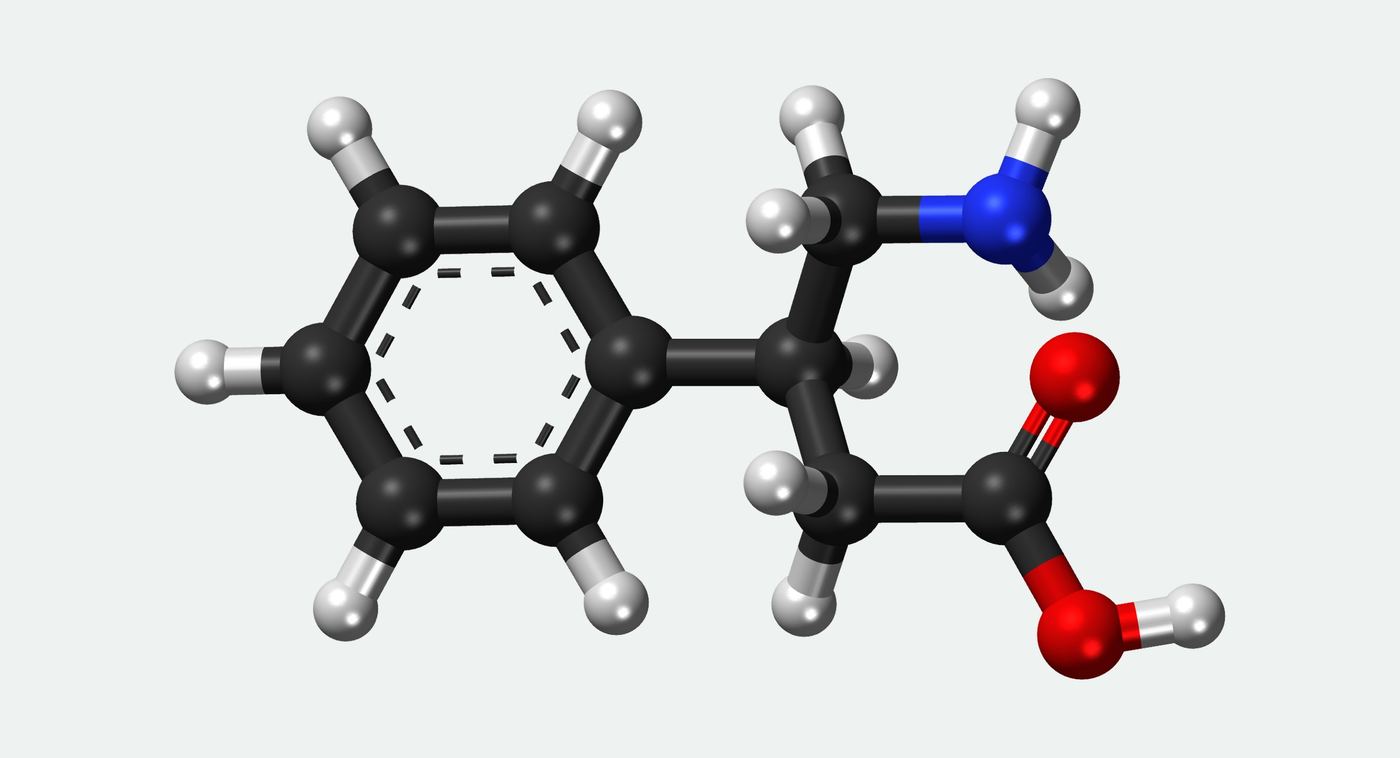
Phenibut (beta-phenyl-gamma-aminobutyric acid) is a synthetic drug developed in the Soviet Union in the 1960s. It is shaped like GABA, the brain's main calming chemical, and works mainly on GABA-B receptors, the same target as the muscle relaxant baclofen. That's why it's sedating and why it can cause dependence. It has been prescribed for anxiety and sleep problems in Russia and parts of Eastern Europe for decades.
Is Phenibut Legal in the US?
- It isn't an approved drug. The FDA has never approved phenibut for any medical use.
- It isn't a legal supplement ingredient. In 2019 the FDA sent warning letters to companies selling it in supplements and stated that phenibut doesn't meet the legal definition of a dietary ingredient, so supplements listing it are misbranded.
- It isn't a controlled substance either. A 2020 CDC report described it as uncontrolled and legal to possess in the US. That gap is why it's still easy to buy online, often sold as a "research chemical" with no quality control.
Laws differ by country and change over time, so check your own country's rules. Easy to buy online isn't the same as legal or safe.
What Poison Centers Report
The clearest data on phenibut harm comes from US poison centers Established:
- Nationally (CDC, 2009–2019): 1,320 phenibut exposures were reported, rising sharply after 2015. 12.6% had major effects, meaning life-threatening or causing significant disability, and 6.2% involved coma. The most common effects were agitation (30%), drowsiness (29%), a racing heart (22%) and confusion (21%). Three people died, one of them after taking phenibut alone.
- Minnesota (2000–2018): of 56 exposure calls, nearly half involved recreational misuse and about a quarter people using it for anxiety. Central nervous system depression was common, and about 1 in 5 patients needed a breathing tube. About 11% of calls were about withdrawal.
- Other substances: in the national data, 40% of adult cases involved other substances too. Phenibut is a depressant, and combining it with alcohol, sleep medicines, opioids or other sedatives is where breathing problems become more likely.
Dependence and Withdrawal
Phenibut's effect fades with regular use (tolerance), so people take more. A 2020 systematic review collected case reports of dependence and intoxication in which people took 0.5 to 100 grams a day, far above the 0.25–2 grams a day used in the countries where it's prescribed Established. Reported problems included heart effects, insomnia, anxiety and agitation, hallucinations and reduced consciousness. Case reports describe withdrawal severe enough to need hospital care.
Withdrawal symptoms often look like the anxiety and insomnia people took phenibut for in the first place, which makes it easy to keep taking it.
"But the Clinical Trials Say It's Safe"
The same 2020 review looked at 11 clinical trials (583 patients) from the countries where phenibut is prescribed. Side effects appeared in about 6% of patients, mostly sleepiness Mixed. But those patients got prescribed doses of a pharmaceutical product under medical supervision. Phenibut bought online comes with no dose control, no guarantee of what's in the bag, and often alongside alcohol or other drugs. The review's authors pointed to exactly that gap between the trials and the case reports.
If You're Already Taking It
- Talk to a doctor before stopping if you've been taking it daily. Case reports describe severe withdrawal, and a doctor can plan how to come off it safely.
- Don't combine it with alcohol, sleep medicines, benzodiazepines, opioids, gabapentin or pregabalin, or other sedatives.
- Get help in an emergency. In the US, call 911 for someone who is hard to wake or breathing slowly, or Poison Control at 1-800-222-1222 for advice.
Safer Options for Anxiety and Sleep
If you were looking at phenibut for anxiety or sleep, talk to a doctor first. Both have effective, well-studied treatments. Among supplements, the evidence is milder but the risks are far lower: L-Theanine has small studies for stress and sleep quality, and ashwagandha has trials for stress (with its own cautions). Neither is a substitute for treatment of an anxiety disorder.