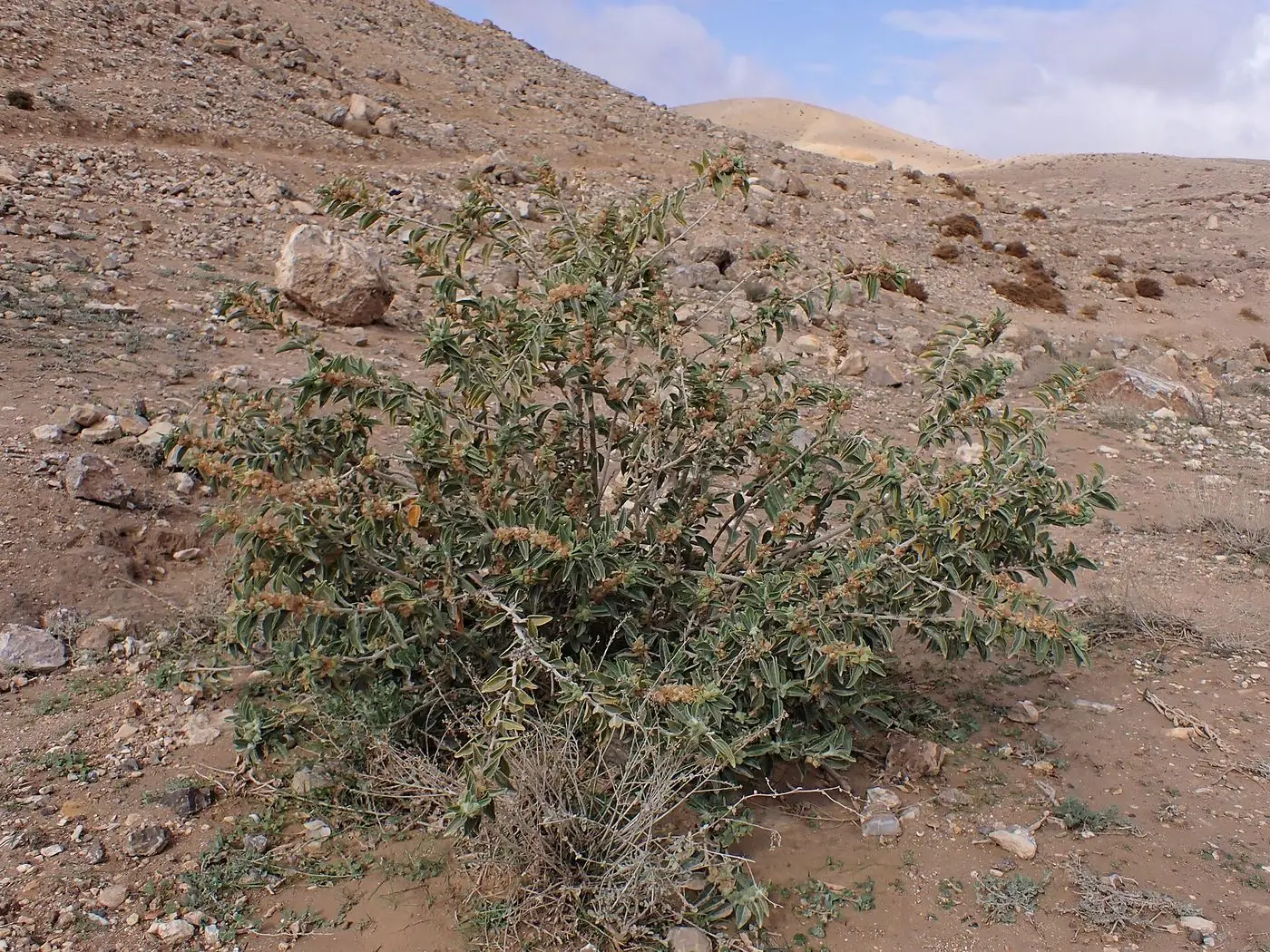
"Is ashwagandha safe?" has two honest answers. For most healthy adults taking a standardised root extract for a few months, the trials found very little to worry about. But the supplement has also been linked to rare liver injury and to thyroid overactivity, and some of the questions people ask most, like alcohol and pregnancy, have little or no direct research. This guide separates what the studies show from what's unknown. For what ashwagandha is and what it's used for, see our ashwagandha guide.
What the Trials Show in Healthy Adults
A 2026 systematic review pooled 23 randomized trials of single-ingredient, standardised root extracts in generally healthy adults: 2,317 participants, doses of 125–600mg a day, and durations from a single dose up to 180 days Established. Liver, kidney, blood, hormone and cardiovascular markers stayed within normal clinical ranges, and no serious adverse events were attributed to the extract. Mild effects (stomach discomfort, headache, transient drowsiness) were infrequent and also occurred in the comparison groups. The authors note that the case reports tended to involve non-standardised or multi-ingredient products, and that data beyond 180 days are limited. Some of the authors work for or consult for supplement-industry companies, so read it as supportive but not independent.
A separate 2024 meta-analysis of five trials in 254 people with anxiety or insomnia pointed the same way on benefit, while calling for larger studies.
Liver Injury: Rare, but Real
The most serious safety signal is liver injury. Two published case series describe it:
- Iceland and the US (5 cases): all five developed jaundice and symptoms like nausea, itching and abdominal discomfort 2–12 weeks after starting. The injury was cholestatic or mixed, symptoms lasted 5–20 weeks, no one went into liver failure, and liver tests normalised within 1–5 months in four of them. One had also taken rhodiola, and four were taking other supplements.
- India (8 single-ingredient cases): cholestatic hepatitis was the commonest presentation. Five of the eight already had chronic liver disease, and three of those developed acute-on-chronic liver failure and died. In the others the injury was prolonged but self-limiting. Chemical analysis of the products found no adulteration.
Two points matter. First, these are case series, so they can't say how common it is; trials of standardised extracts haven't picked it up, which suggests it's uncommon. Second, the Indian series suggests the consequences can be much worse if you already have liver disease. Stop and see a doctor if you notice yellow skin or eyes, dark urine, itching or unusual tiredness.
Thyroid: It Can Raise Thyroid Hormones
Ashwagandha has been linked to higher thyroid hormone levels, and the evidence points the same way across a few kinds of study Preliminary:
- In 50 adults with subclinical hypothyroidism, 600mg a day for 8 weeks raised T3 and T4 and lowered TSH compared with placebo.
- In an 8-week bipolar-disorder trial, thyroid tests were done for safety only: all three ashwagandha-treated patients with abnormal results had T4 rises of 7–24%. The numbers are tiny and the authors urge caution reading them.
- Two case reports describe thyrotoxicosis in otherwise healthy people: a 32-year-old woman who developed it after increasing her dose, and a 47-year-old man with painless thyroiditis two months after starting. Both improved after stopping.
So if you have an overactive thyroid, are treated for thyroid disease, or take thyroid medication, talk to your doctor before taking it. If you develop a racing heart, tremor, weight loss or heat intolerance on it, stop and get your thyroid checked.
Cortisol: Does It Lower It, and Is That a Problem?
Ashwagandha lowers cortisol in stressed adults. In placebo-controlled trials, 250–600mg a day for 8–9 weeks lowered serum cortisol along with stress scores Established, and the 2026 safety review found cortisol reductions consistently while hormone levels stayed in normal ranges. That is the effect people take it for, not a side effect. Nothing in these trials shows it pushing cortisol below normal in healthy people. If you have an adrenal condition or take steroid medication, though, cortisol is a medical question, so ask your doctor.
Ashwagandha and Alcohol
No study has tested ashwagandha taken with alcohol, so there's no direct evidence either way Not studied. The reasoning for caution is indirect: both can affect the liver, and the case series above involved the liver. If you drink heavily or have any liver condition, that's a good reason to avoid it. If you drink occasionally and are healthy, there's no data showing harm, but it's reasonable not to combine them while you're still finding out how it affects you.
Pregnancy and Breastfeeding
Traditional and official guidance generally advises against ashwagandha in pregnancy, and this site's advice is to avoid it unless your doctor says otherwise. The evidence base is thin and conflicting:
- A 2025 systematic and ethnobotanical review concluded the evidence for miscarriage-causing or birth-defect risk is inconclusive, that old abortifacient claims rest on weak citations, and that animal studies showed no reproductive toxicity at human-relevant doses. It called for better research.
- A 2026 randomized open-label trial gave 300mg twice a day to women in their second trimester for 12 weeks, alongside standard iron therapy. It reported better haemoglobin and no adverse events among 63 completers. It was small and unblinded, so it can't establish safety in general.
"Not proven harmful" isn't the same as "proven safe," and in pregnancy the answer should come from your doctor or midwife, not a supplement guide.
Other Cautions
- Autoimmune conditions: ashwagandha may stimulate the immune system, so people with autoimmune disease should ask a doctor first.
- Medications: it may add to the effect of sedatives and may interact with medicines for blood sugar, blood pressure and the immune system. Ask a pharmacist if you take any of them regularly.
- Surgery: tell your surgical team you take it.
- Combination products: several case reports involved multi-ingredient products, so a single-ingredient extract with a stated standardisation is the lower-uncertainty choice.
How to Lower the Risk
- Use a single-ingredient standardised root extract from a brand that publishes third-party testing, at 250–600mg a day, the range used in the trials. Our best ashwagandha supplement guide explains what to look for.
- Don't exceed label doses; most trials stopped at 600mg a day.
- Consider a break after a few months, since nothing beyond 180 days is well studied. See our ashwagandha guide on cycling.
- Know the warning signs: jaundice, dark urine, severe itching, or thyroid-overactivity symptoms. Stop and seek medical advice if they appear.
For specific groups, see ashwagandha for women, and ashwagandha for anxiety and stress for the research on why people take it.