Creatine is the most popular sports supplement in the world, and for good reason: it's one of the few with consistent evidence for muscle strength and power. But creatine isn't only a muscle compound. Your brain uses it too, and over the past two decades researchers have asked whether topping it up can help memory and thinking. The honest answer is "a little, for some people", and this guide sets out who those people are.
What Is Creatine?
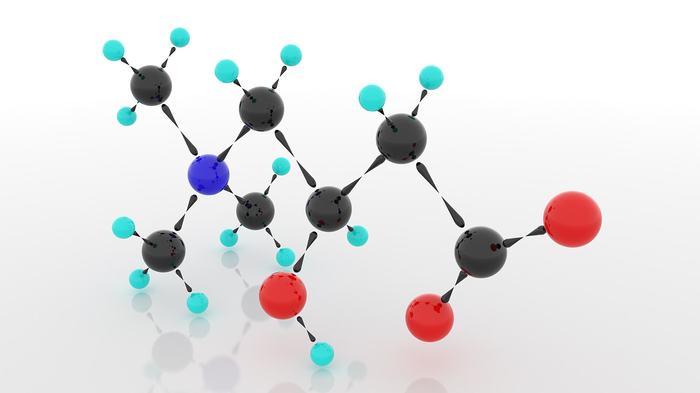
Creatine is a compound your body makes from amino acids and also gets from food, mainly meat and fish. Inside cells it's stored as phosphocreatine, a quick-release energy reserve that helps recycle ATP, the molecule cells use for energy. Muscles hold most of the body's creatine, but the brain, which uses a lot of energy for its size, relies on it too.
Because creatine comes mainly from animal foods, vegetarians and vegans tend to have lower levels, which turns out to matter for the brain research below.
Does Creatine Reach the Brain?
Some of it does, but less readily than it reaches muscle Preliminary. In an early brain-imaging study, six healthy volunteers took 20g a day for four weeks, and the creatine content of their brains rose by about 9% on average, ranging from 3.5% to 13% between people. The levels returned to normal within three months of stopping. That small, variable rise is one reason brain effects are modest and why some researchers think the brain may need higher doses than muscle.
What the Research Shows for Memory and Thinking
- Memory overall Preliminary: a 2024 meta-analysis of 16 trials (492 people) found small improvements in memory, rating the certainty of that finding as moderate, and lower-certainty improvements in attention and processing speed. It found no effect on overall cognition or executive function. A 2023 meta-analysis of memory alone found a similar small effect, though another research team has challenged its statistics for possibly counting some data twice.
- Older adults Preliminary: in the 2023 analysis, the memory benefit was clear in adults aged 66–76 and absent in younger people.
- Young people who eat meat Mixed: a 2018 systematic review found performance on thinking tasks stayed unchanged in young people. If you're young, healthy and eat meat, don't expect much.
- Vegetarians Preliminary: in a 2003 trial, 45 young vegetarians taking 5g a day for six weeks scored better on working memory and reasoning tests than on placebo. In a 2011 trial of 128 young women, 20g a day for five days improved memory in vegetarians but not in meat-eaters.
- Sleep deprivation Preliminary: in a 2024 study, a single large dose (0.35g per kg of body weight, about 25g for a 70kg adult) taken during a night without sleep improved cognitive performance and processing speed and changed brain energy markers. It's one study, at a dose far above the usual daily amount.
- Mood Preliminary: in a trial of 52 women with major depression, adding 5g a day of creatine to an antidepressant (escitalopram) led to faster and larger improvement over 8 weeks than adding a placebo. That's a promising lead for doctors to study, not a reason to self-treat depression.
Who Seems to Benefit Most
| Group | What the studies suggest |
|---|---|
| Older adults | Clearest memory benefit in pooled analyses |
| Vegetarians and vegans | Better memory and reasoning in two trials; likely because they start with lower creatine |
| People short on sleep | One study found a single large dose blunted the drop in performance |
| Young adults who eat meat | Little or no measurable effect on thinking |
How Much Creatine to Take
- Everyday dose: the International Society of Sports Nutrition (ISSN) describes 3–5g a day, or about 0.1g per kg of body weight, as the recommended range.
- Doses in the brain studies: the trials used either 5g a day for several weeks or 20g a day for about five days. Whether the brain needs more than muscle is still an open question.
- Loading: some people start with 20–25g a day for about a week to fill muscle stores faster. It isn't required, and it's when stomach upset is most likely.
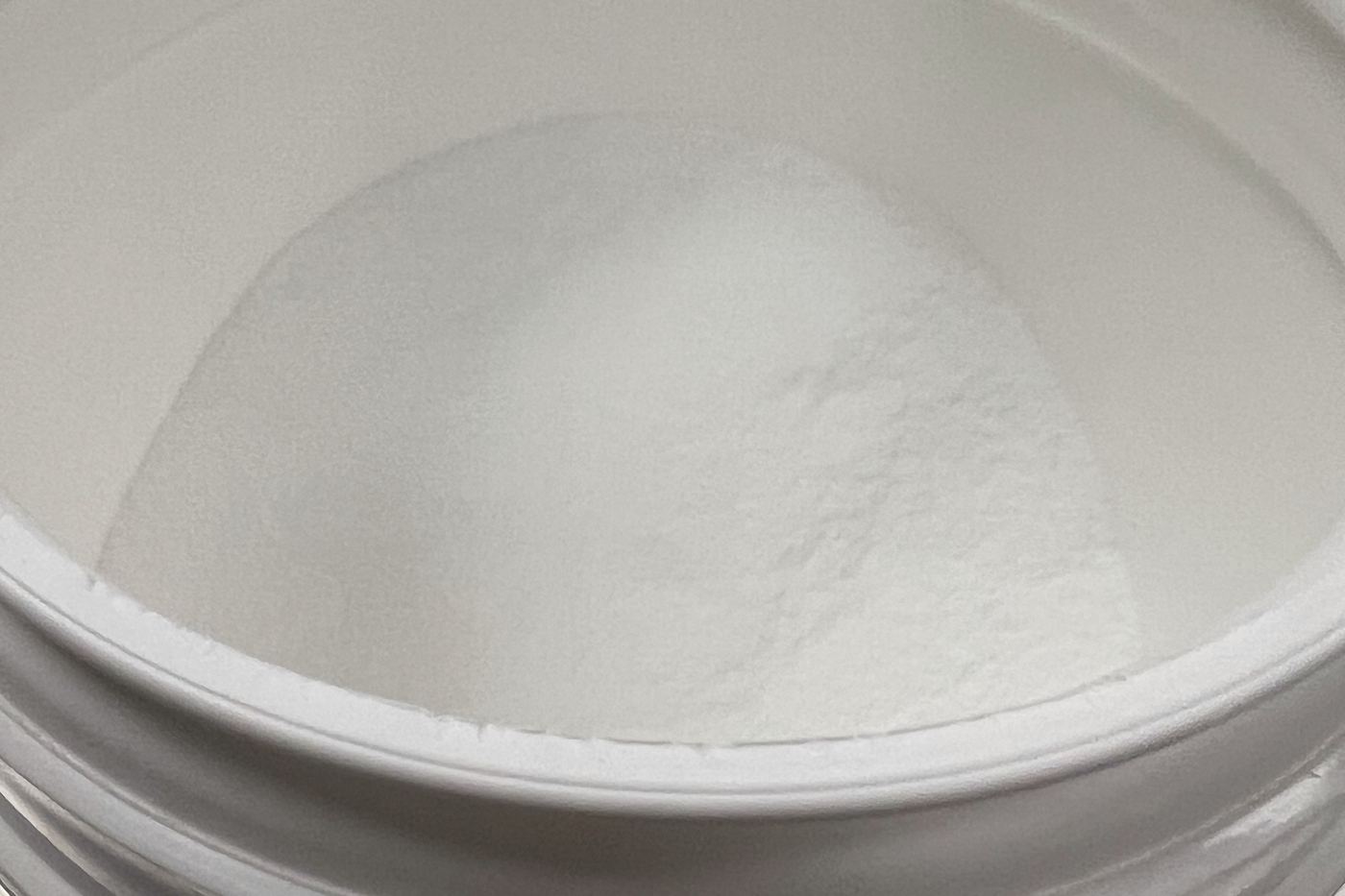
- Form: every trial in the 2024 meta-analysis used creatine monohydrate. It's the cheapest form and the one with the evidence; more expensive forms haven't been shown to work better.
- Timing: the brain studies didn't test time of day. Taking it daily matters more than when; mixing it into water, a shake or your morning coffee all work.
Is Creatine Safe?
For healthy adults, creatine has one of the strongest safety records of any supplement Established. The ISSN's 2017 position stand concluded that doses up to 30g a day for five years were safe and well tolerated in healthy people. The common worries:
- Kidneys: a 2019 meta-analysis concluded creatine didn't cause kidney damage at the doses and durations studied. The catch is that creatine breaks down into creatinine, the marker doctors use to check kidney function, so your blood test can look worse even when your kidneys are fine. Tell your doctor you take it. If you already have kidney disease, don't take it without medical advice.
- Hair loss Preliminary: this worry traces back to one study of 20 rugby players, in which a week of high-dose loading raised DHT, a hormone linked to male-pattern baldness, by 56%. Hair loss itself wasn't measured, and the finding hasn't been confirmed. If you're prone to hair loss, skipping the loading phase is a cautious middle ground.
- Weight gain: many people put on a little weight in the first weeks, which is generally attributed to water held in muscle rather than fat.
- Stomach upset: more likely with large single doses; splitting the dose or skipping loading usually helps.
- Pregnancy, breastfeeding, teenagers, and anyone on medication: check with a doctor first.
Creatine and Caffeine
Lots of people stir creatine into their morning coffee. For thinking, the two do different jobs: caffeine works within the hour, while creatine builds up over weeks. If coffee is part of your routine, our caffeine and L-Theanine guide covers how to take it without the jitters, and our study stack guide covers longer-term options for memory.
Buyer's Checklist
- Plain creatine monohydrate; it's what the studies used.
- A simple label: one ingredient, with the grams per scoop stated.
- Third-party testing (such as an NSF Certified for Sport or Informed Sport seal) if you're a tested athlete or want proof of purity.
- Skip proprietary blends and premium forms that cost more without better evidence.