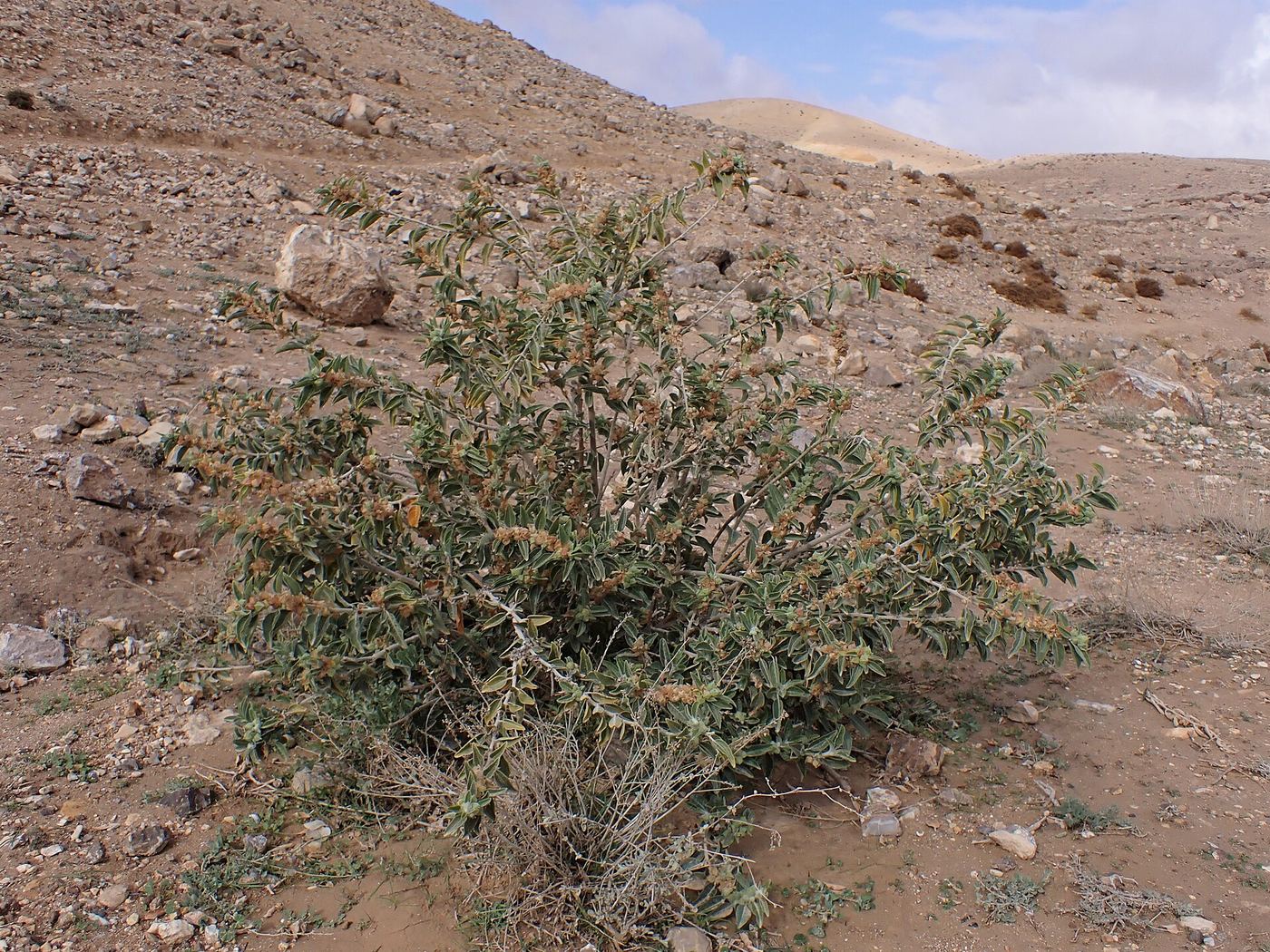
Search "ashwagandha for women" and you'll find claims about hormone balance, PCOS, fertility, weight and libido. Most of the ashwagandha research mixes men and women, and some of the best-known results, like the testosterone findings, come from men only. This guide sticks to trials that studied women specifically, plus the safety points that matter most for women. For the basics (what ashwagandha is, root vs. leaf extracts, KSM-66 and Sensoril), start with our main ashwagandha guide.
What Has Been Studied in Women
| Who was studied | Dose and length | What improved vs. placebo |
|---|---|---|
| 100 perimenopausal women | 300mg twice a day, 8 weeks | Menopause symptom and quality-of-life scores, hot flashes |
| 66 postmenopausal women | 600mg a day, 12 weeks | Sleep quality, menopause symptoms, small drop in body fat |
| 50 healthy women | 300mg twice a day, 8 weeks | Sexual function scores and satisfying encounters |
| 80 women with low sexual desire | 300mg twice a day, 8 weeks | Sexual function and distress scores |
That's four small trials, all run in India, and several share authors. The results are consistent, but none has been repeated by an independent group in another country. Treat them as promising rather than settled.
Perimenopause and Menopause
This is the strongest women-specific evidence Preliminary.
- Perimenopause: in an 8-week trial of 100 women with menopause symptoms (91 finished), 300mg of root extract twice a day lowered total Menopause Rating Scale scores more than placebo, across the psychological, physical and urogenital parts. Quality-of-life scores improved too. Blood tests showed estradiol rising and FSH and LH falling, with no change in testosterone.
- Postmenopause: in a 12-week trial of 66 women aged 45–65, 600mg a day improved sleep quality and menopause symptom scores more than placebo. Body fat fell slightly (0.6 percentage points), and bone density didn't change. No serious side effects were reported.
Neither trial compared ashwagandha with hormone therapy or other treatments, and both were short. If menopause symptoms are affecting your life, talk to a doctor about the options with much more evidence behind them.
Libido and Sexual Function
Two 8-week trials used 300mg of root extract twice a day Preliminary:
- In 50 healthy women, the extract improved overall Female Sexual Function Index scores, including arousal, lubrication, orgasm and satisfaction, and increased the number of successful sexual encounters compared with placebo.
- In 80 women aged 18–50 with low sexual desire and no hormonal disorders, sexual function scores rose from about 14 to 23 with ashwagandha, against about 14 to 19 with placebo. Distress scores improved too. Side effects (nausea, drowsiness) were similar in both groups.
Both relied on questionnaires, which are vulnerable to placebo effects, and the placebo groups improved as well. Low desire has many causes, including medications, relationships, stress and hormones, so it's worth a conversation with a doctor if it bothers you.
Stress and Sleep
Ashwagandha's best-supported uses, stress and sleep, come from trials that included both men and women Preliminary. There's no sign the effect differs by sex, and the postmenopausal trial above also found better sleep. For the details, see ashwagandha for anxiety and stress.
Does Ashwagandha Change Women's Hormones?
A 2026 meta-analysis of 23 randomized trials (1,706 people) gives the broadest picture Mixed:
- Testosterone: it rose in men but not in women, a significant difference between the sexes. Claims that ashwagandha "boosts testosterone" are about men.
- Estradiol: no overall change in either sex, even though the perimenopause trial alone found a rise.
- Cortisol: lower, consistent with the stress research.
- Thyroid: T4 rose modestly, with no change in TSH or T3. That matters for anyone with a thyroid condition (see below).
PCOS, Fertility and Weight: Not Enough Evidence
We found no randomized trials of ashwagandha for PCOS or PMS (PubMed, October 2026), only reviews discussing whether it might help Not supported. There are no trials of ashwagandha improving fertility in women. The body-fat change in the postmenopausal trial was small. If a product promises hormone balancing or weight loss for women, the research doesn't back that up yet.
Who Should Avoid It or Ask a Doctor First
- Pregnancy and breastfeeding: the U.S. National Center for Complementary and Integrative Health (NCCIH) says ashwagandha should be avoided in pregnancy and not used while breastfeeding. A small 2026 open-label trial gave it to 70 women in the second trimester alongside iron therapy and reported no adverse events. But it wasn't blinded, didn't include the first trimester, and its abstract doesn't report birth outcomes. One trial doesn't change the advice.
- Thyroid conditions: ashwagandha can raise thyroid hormone levels. NCCIH advises against it for people with thyroid disorders, and anyone on thyroid medication should check with their doctor.
- Autoimmune conditions: NCCIH also advises against it for people with autoimmune disorders.
- Liver: liver injury linked to ashwagandha is rare but documented. Stop and see a doctor if you notice yellowing skin or eyes, dark urine or unusual tiredness.
- Medications: it may interact with sedatives, anti-seizure drugs, diabetes and blood pressure medicines, immunosuppressants and thyroid hormone.
- Before surgery: NCCIH says it isn't recommended for people about to have surgery.
How Women Took It in the Trials
- Form: a standardized root extract, not raw powder or leaf extract.
- Dose: 300mg twice a day in three trials, 600mg once a day in one.
- Time: effects were measured at 8–12 weeks; don't judge it after a few days.
- Label: look for the root extract named and standardized (for example KSM-66), with the withanolide percentage stated.