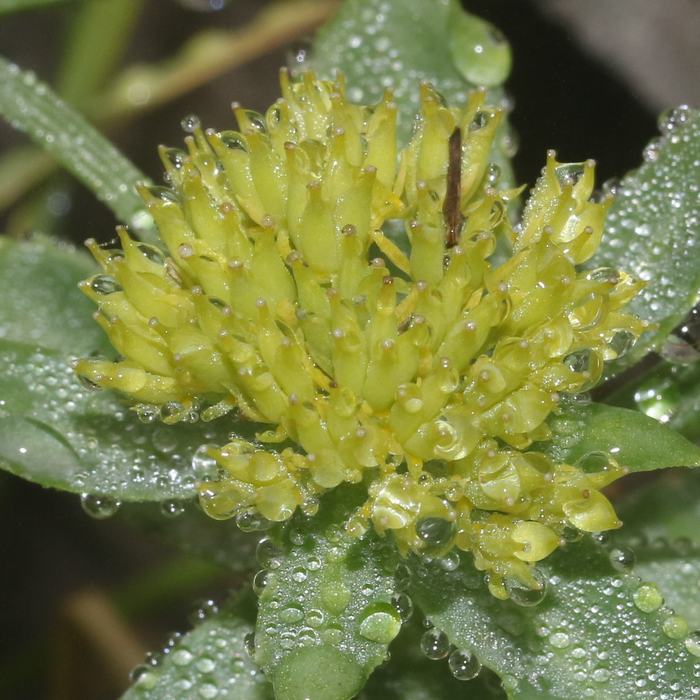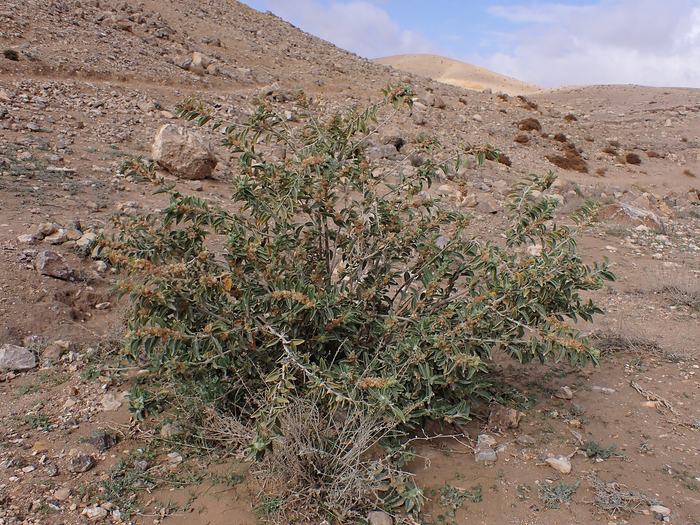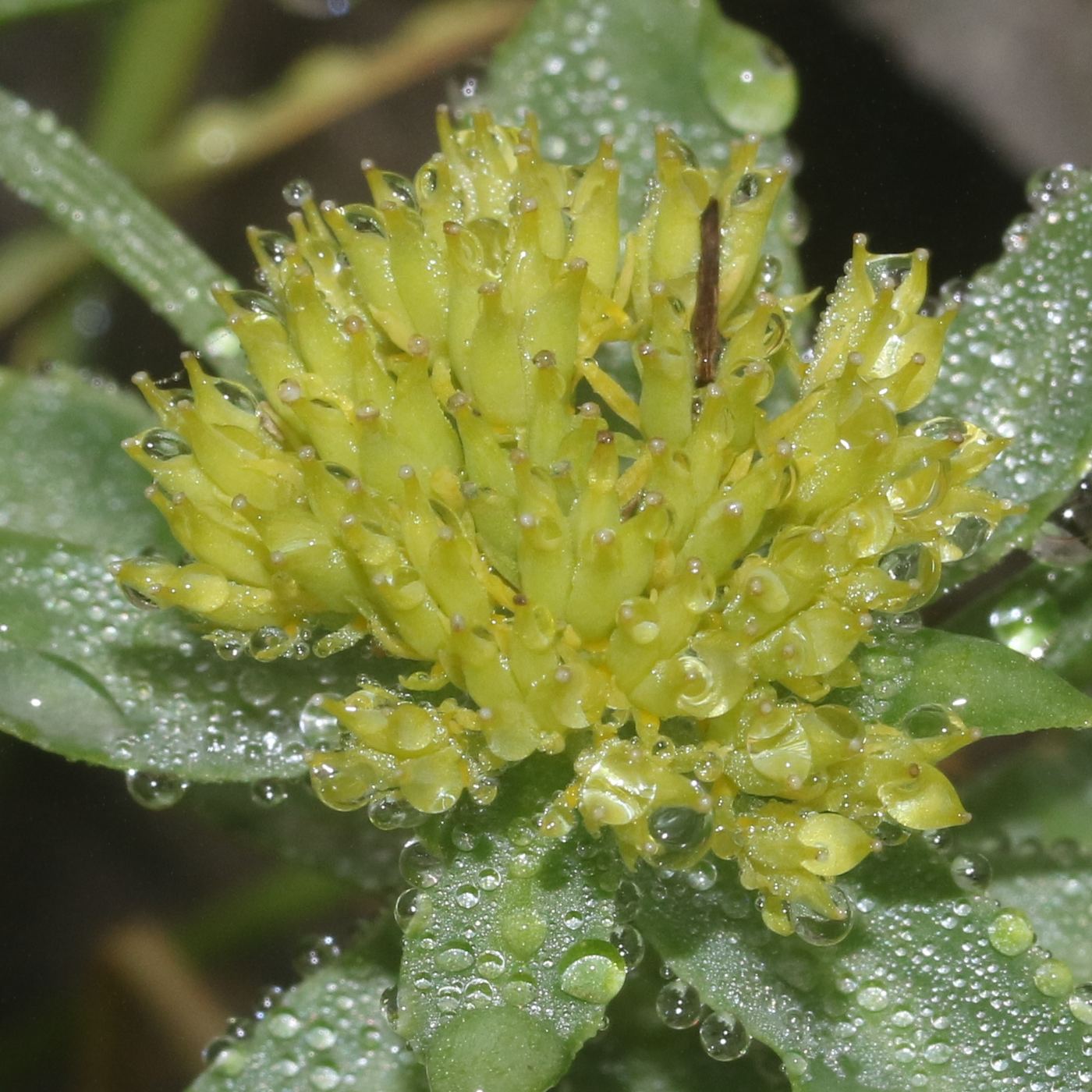
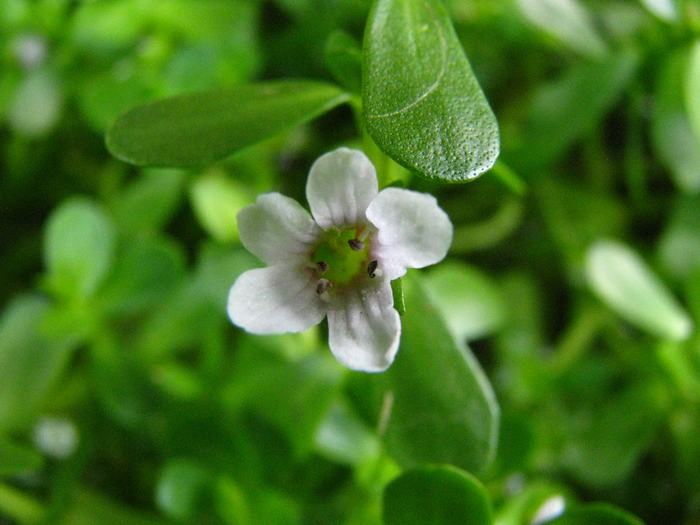
Rhodiola Rosea flower close-up

Photo: Alpsdake, CC BY-SA 4.0, via Wikimedia Commons

When to Take Rhodiola

Best Time to Take Rhodiola: Morning, Before Exercise, or at Night?

The Short Answer

Take Rhodiola in the morning: trials gave it on waking or before breakfast, with a second dose before lunch if the day's total was split. For exercise, studies gave it 30–60 minutes before. No trial has compared morning and evening doses, but insomnia is a listed side effect, so most people avoid it late in the day. Effects were measured after a single dose in some studies and after 3 days to 4 weeks in others.

Rhodiola rosea is usually described as mildly stimulating, which makes timing a fair question. The good news is that the trials are specific about it: most say exactly when people took their capsules. This guide pulls those timings together, by goal, along with how quickly it works and whether evening doses are a real problem. For what Rhodiola is and what to look for on a label, see our Rhodiola rosea guide.

When People Took Rhodiola in the Trials

StudyDose and timingResult
80 mildly anxious adults, 14 days200mg before breakfast + 200mg before lunchLess self-reported anxiety, stress and low mood than no treatment (no placebo)
48 nursing students on shift work, 42 days364mg at the start of the waking period, plus an optional second capsule within 4 hoursFatigue was worse than placebo
24 young adults, single dose200mg, 1 hour before exerciseSlightly longer time to exhaustion
18 adults, single dose3mg per kg of body weight, 1 hour before a cycling time trialFaster time trial, lower perceived effort
11 active women, 3 days1,500mg a day + 500mg 30 minutes before testingBetter sprint-cycling power
13 adults with poor sleep, 2 weeks750mg of a Rhodiola and lotus blend at bedtimeBetter sleep scores (no placebo group)

For Stress and Fatigue: Morning, Before Breakfast

The daily-use trials gave Rhodiola early in the day Preliminary. When the dose was split, the second capsule came before lunch, not in the evening. The most common pattern was 200mg twice a day (400mg in total), and one burnout trial used 576mg a day split into four tablets.

No trial compared taking it with or without food. The trial that gave it before breakfast and before lunch effectively gave it on an empty stomach. If capsules upset your stomach, taking them with breakfast is a reasonable change, since nothing suggests food stops it working.

Before Exercise: 30–60 Minutes Before

Exercise studies used single doses an hour before endurance tests, or 30 minutes before strength and sprint tests after a few days of loading Mixed. Results are mixed: endurance improved slightly in two trials, and sprint power improved in one. But in a bench-press study using the same 30-minute timing, people moved the bar faster yet managed fewer total reps. In the endurance trial that also tested 4 weeks of daily use first, the daily use added nothing beyond the pre-exercise dose.

Can You Take Rhodiola at Night?

You can, but most people shouldn't make it a habit. No trial has compared morning and evening doses, so the advice is based on side effects, not head-to-head testing:

  • The U.S. National Center for Complementary and Integrative Health (NCCIH) lists insomnia among Rhodiola's possible side effects, along with dizziness, headache and dry mouth.
  • On the other hand, a small uncontrolled study gave a Rhodiola and lotus blend at bedtime for two weeks, and sleep improved. It had no placebo group, only 13 people finished, the blend also contained lotus, and the manufacturer employed three of the authors.
  • In a trial of people with mild to moderate depression, insomnia symptoms improved after 6 weeks on Rhodiola. That's improved sleep from better mood, not a reason to take it at night.

The practical rule: take it in the morning. If you miss your morning dose, taking it by lunchtime still matches how the trials gave it. Later doses are untested, and that's where sleep is the main worry if you're sensitive to stimulants.

Shift Workers: Take It at the Start of Your Day

If you work nights, "morning" means whenever your waking period starts. That's how the nursing-student trial dosed it. Be aware that it's also the trial where Rhodiola did worse than placebo, so the evidence for shift workers is weak Mixed. An older trial in physicians on night duty found better mental-performance scores in the first two weeks.

How Quickly Does Rhodiola Work?

  • Single dose: in a trial of 161 military cadets, one dose reduced fatigue during mentally demanding work compared with placebo. The exercise studies also used single doses an hour before.
  • Days: in an open-label study of 101 people with stress symptoms, 200mg twice a day brought improvements after 3 days. In 100 people with long-term fatigue, the biggest change came in the first week.
  • Weeks: the burnout trial measured its effects after 28 days.

So, unlike Bacopa, you don't need to wait months to judge it. If you've noticed nothing after 2–4 weeks at a typical dose, it may not be for you.

Once or Twice a Day?

Both were used. More isn't clearly better: in the cadet trial a dose 50% higher did no better than the standard one, and in a depression trial 340mg and 680mg a day worked similarly. Starting with 200mg in the morning and adding a second 200mg before lunch if needed matches the trials.

How Long to Take It

Most trials ran 2–12 weeks. NCCIH describes Rhodiola as possibly safe for up to 12 weeks, so taking it through a demanding stretch and then stopping fits the evidence better than taking it indefinitely.

Timing Around Medications

Changing the time of day doesn't fix interactions. In a study of 13 healthy volunteers, two weeks of Rhodiola reduced the activity of the liver enzyme CYP2C9 by about a fifth, which could matter for drugs like warfarin and phenytoin. NCCIH notes reported interactions with losartan, a blood pressure drug. If you take any regular medication, check with a pharmacist before starting.

For a calmer pairing, see Rhodiola vs. L-Theanine: many people take Rhodiola in the morning and keep calming supplements for the evening.
Frequently Asked Questions

What is the best time of day to take Rhodiola?

In the morning, on waking or before breakfast. That's how the trials gave it. If you split the dose, take the second one before lunch rather than in the evening.

Can you take Rhodiola at night?

It hasn't been tested against morning doses, but insomnia is a listed side effect, so most people take it early in the day. A small uncontrolled study of a Rhodiola and lotus blend at bedtime found better sleep, so evening doses don't keep everyone awake.

Should Rhodiola be taken on an empty stomach?

One trial gave it before breakfast and before lunch, which is effectively an empty stomach. No study compared it with food, so taking it with breakfast is fine if it upsets your stomach.

How long before exercise should I take Rhodiola?

Studies gave it 30 to 60 minutes before exercise. Results were mixed: endurance and sprint power improved slightly in some trials, but one found fewer total bench-press reps.

How fast does Rhodiola work?

Some trials measured effects after a single dose, and others after 3 days to 4 weeks of daily use. If you notice nothing after 2 to 4 weeks at a typical dose, it may not suit you.

Should I take Rhodiola once or twice a day?

Both were used in trials. A common pattern is 200mg before breakfast and 200mg before lunch. Higher doses didn't do better in the trials that compared them.

When should shift workers take Rhodiola?

At the start of your waking period, whatever the clock says. A trial of nursing students on shift work dosed it that way, though in that trial Rhodiola did worse than placebo for fatigue.

The Evidence

Established replicated in several controlled human trials or a review. Preliminary small, short, or single studies. Mixed studies disagree. Not supported so far tested and not shown to work.

  1. Cropley et al., 2015, Phytotherapy Research. 80 mildly anxious adults; 200mg Rhodiola (Vitano) before breakfast and 200mg before lunch, or no treatment, for 14 days. Reduced self-reported anxiety, stress, anger, confusion and depression; no change in cognitive tests. Not placebo-controlled.
  2. Punja et al., 2014, PLoS One. 48 nursing students on shift work; 364mg at the start of the waking period plus up to one more capsule within 4 hours, or placebo, for 42 days. Fatigue measures favoured placebo.
  3. De Bock et al., 2004, International Journal of Sport Nutrition and Exercise Metabolism. 24 young adults; 200mg (3% rosavin, 1% salidroside) 1 hour before testing. Time to exhaustion rose from 16.8 to 17.2 minutes. 4 weeks of daily use beforehand didn't change the response.
  4. Noreen et al., 2013, Journal of Strength and Conditioning Research. 18 adults; 3mg/kg Rhodiola or placebo 1 hour before a 6-mile cycling time trial. Faster time trial (25.4 vs 25.8 minutes) and lower perceived exertion.
  5. Ballmann et al., 2019, Journal of Sports Sciences. 11 active women; 1,500mg/day for 3 days plus 500mg 30 minutes before testing. Higher mean power and total work in repeated Wingate sprints.
  6. Williams et al., 2021, International Journal of Environmental Research and Public Health. 10 resistance-trained men; same loading protocol. Faster bench-press bar speed but fewer total repetitions to failure.
  7. Kim et al., 2024, Nutrients. 20 adults with subthreshold insomnia (13 completed); 750mg of a Rhodiola rosea and Nelumbo nucifera blend at bedtime for 2 weeks. Improved insomnia and sleep-quality scores. No placebo group; three authors employed by the manufacturer.
  8. Darbinyan et al., 2007, Nordic Journal of Psychiatry. 89 adults with mild to moderate depression; SHR-5 at 340mg or 680mg/day or placebo for 6 weeks. Depression, insomnia and emotional-instability scores improved at both doses.
  9. Darbinyan et al., 2000, Phytomedicine. 56 young physicians on night duty; low-dose SHR-5 or placebo for two weeks in a crossover. Improved fatigue index in the first two-week period.
  10. Shevtsov et al., 2003, Phytomedicine. 161 cadets; single dose of 2 or 3 capsules of SHR-5 or placebo. Both doses reduced fatigue; no difference between doses, with a possible trend favouring the lower dose.
  11. Edwards et al., 2012, Phytotherapy Research. Open-label, 101 adults with life-stress symptoms; 200mg twice daily for 4 weeks. Improvements seen after 3 days and continuing at 1 and 4 weeks; mostly mild adverse events.
  12. Lekomtseva et al., 2017, Complementary Medicine Research. Open-label, 100 adults with prolonged or chronic fatigue; 2 × 200mg a day for 8 weeks. The largest change came after 1 week.
  13. Olsson et al., 2009, Planta Medica. 60 adults with stress-related fatigue (burnout); SHR-5 576mg/day (four tablets) or placebo for 28 days. Better burnout and attention scores and lower cortisol response to awakening vs. placebo.
  14. Thu et al., 2016, European Journal of Clinical Pharmacology. 13 healthy volunteers; 14 days of a commercial Rhodiola product. CYP2C9 activity fell 21%; no effect on CYP1A2, 2C19, 2D6 or 3A4.
  15. NCCIH, "Rhodiola" (last updated April 2025). Possibly safe for up to 12 weeks; side effects may include dizziness, headache, insomnia, and dry mouth or excess saliva; interactions with losartan reported; little known about pregnancy and breastfeeding.

Products We've Looked At

The Rhodiola Rosea products HighIQ Nootropics currently lists, with the label details that matter. Links open the full listing there. See every product side by side.

  • Bronson Rhodiola Rosea — Labeled 'extra strength' without a rosavin/salidroside figure, so you're trusting the brand on potency. 120 vegetarian capsules; free of GMOs, gluten and soy.
  • Double Wood Rhodiola Rosea — 500mg a capsule, close to the doses used in the fatigue trials. No standardization stated. 120 veggie capsules.
  • Gaia Herbs Rhodiola Rosea — A different format: a liquid extract sealed in a vegan capsule instead of a powder. 60 Liquid Phyto-Caps.
  • NutraChamps Rhodiola Rosea — Lists the 3% rosavins / 1% salidroside standardization used in most research, the main thing to check on a rhodiola label. 120 vegan capsules.

This article is for general information only and is not medical advice. Consult a healthcare provider before starting any new supplement. Nootropics Blog and HighIQ Nootropics are run by the same person; product details and pricing are maintained on HighIQ Nootropics, not here.