L-carnitine sounds like a supplement-store invention, but it's a nutrient your body already makes and that you get from food. It has an important job in how your cells use fat for energy, which is where most of the interest in supplementing it comes from. The catch is that it comes in several forms that are used for quite different things.
What Is L-Carnitine?
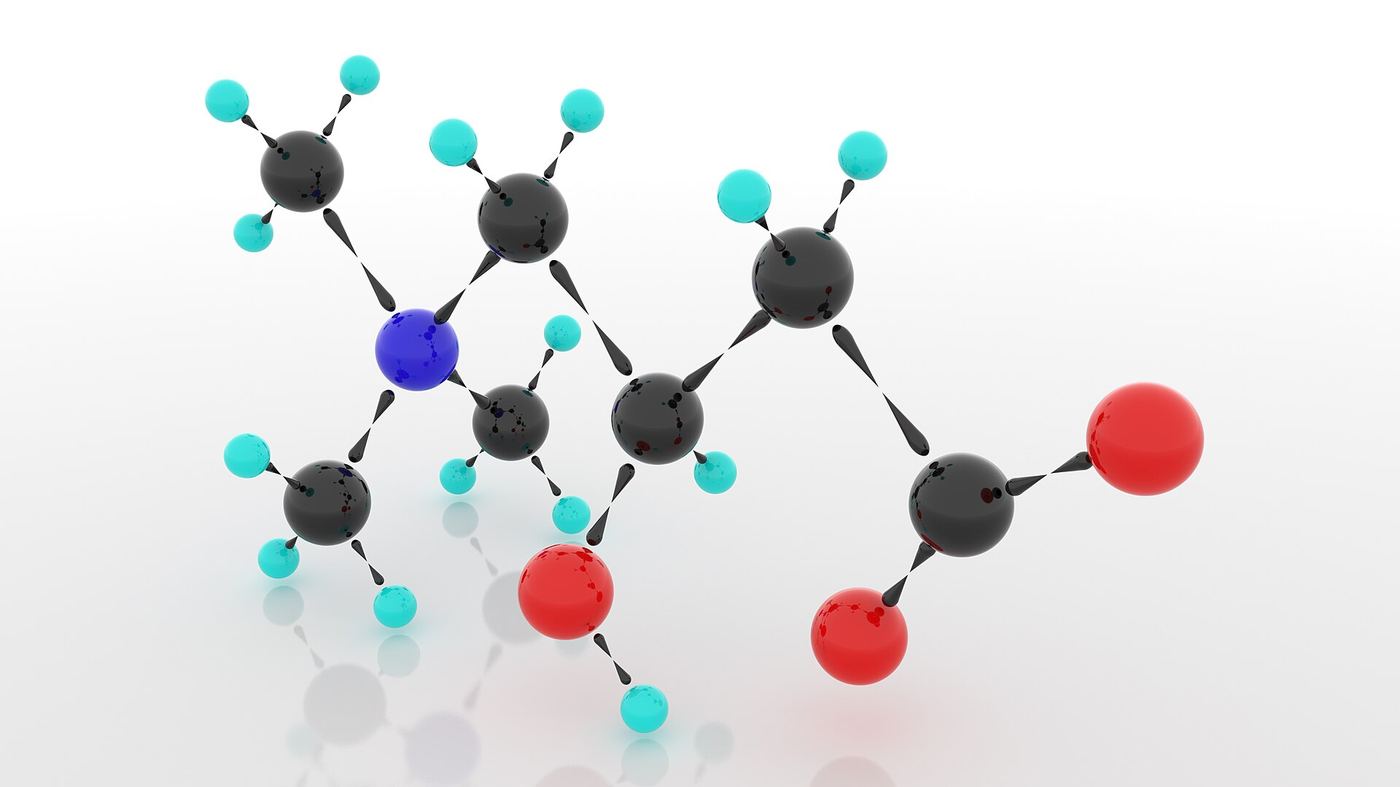
L-carnitine is a compound your liver and kidneys make from two amino acids, lysine and methionine. You also get it from food, mostly red meat. Its best-understood job is to carry long-chain fatty acids into the mitochondria, the parts of your cells that burn fuel for energy.
Most healthy people make enough L-carnitine on their own. True carnitine deficiency is rare and is a medical condition treated by doctors. Supplements are aimed at people who hope extra carnitine will help with energy, exercise, or brain function.
Supplements should always say L-carnitine. The mirror-image form, D-carnitine (sometimes found in cheap "DL-carnitine" mixes), isn't useful and may interfere with the L form.
Which Form? ALCAR vs. LCLT vs. Plain L-Carnitine
| Form | What it's usually used for | Typical label dose |
|---|---|---|
| Acetyl-L-carnitine (ALCAR) | Brain and nerves; it crosses into the brain more readily than other forms | 500–1,500mg per day |
| L-carnitine L-tartrate (LCLT) | Exercise recovery and muscle soreness | 1,000–2,000mg per day |
| L-carnitine (base) | General use; the form used in many older studies | 500–2,000mg per day |
| Propionyl-L-carnitine | Studied mainly for circulation | Follow label |
For a nootropics or focus goal, ALCAR is the form most people look at. For workouts, LCLT is the one with the most exercise research.
What the Research Actually Looks At
- Memory and thinking in older adults: acetyl-L-carnitine has been studied in older adults with mild memory problems, with mixed results. Some reviews found small benefits; others found little effect.
- Fatigue: several studies looked at mental and physical fatigue, often in older adults or people with specific health conditions.
- Exercise recovery: studies of L-carnitine L-tartrate reported less muscle soreness and markers of muscle damage after hard exercise.
- Weight: some reviews found a small effect on weight loss, mostly in people who were overweight. It's not a fat burner on its own.
- Male fertility: some studies looked at carnitine for sperm movement and quality.
The overall picture: carnitine plays a real role in energy metabolism, and specific forms have some evidence for specific uses, but it doesn't reliably boost energy or brain function in healthy young people.
How Much to Take, and When
- Dose: most products provide 500–2,000mg per day, depending on the form (see the table above).
- Splitting doses: larger amounts are often split into two doses to reduce stomach upset.
- With food: some research suggests carnitine is taken up into muscle better alongside carbohydrates, which is why some people take it with a meal.
- Timing: ALCAR is usually taken in the morning or early afternoon, as some people find it mildly stimulating.
The TMAO Question
When you eat or take carnitine, some of it is broken down by gut bacteria into a compound that the liver turns into TMAO (trimethylamine N-oxide). Higher TMAO levels in the blood have been linked in some research to heart disease risk. Whether carnitine supplements meaningfully raise heart risk is still debated, and the research isn't settled. It's a reason not to take more than you need, and worth mentioning to your doctor if you have heart disease.
Side Effects and Who Should Be Careful
- Common side effects: nausea, stomach upset, and diarrhea, especially at higher doses.
- Fishy body odor: high doses can cause a fishy smell in sweat, breath, or urine.
- Thyroid: carnitine may reduce the effect of thyroid hormone. People with an underactive thyroid or on thyroid medication should check with a doctor.
- Blood thinners: it may increase the effect of warfarin and similar medications.
- Seizures: there are reports of seizures in people with a history of seizures; avoid it unless your doctor agrees.
- Kidney disease: people with kidney problems should only use it under medical supervision.
L-Carnitine and Other Supplements
Acetyl-L-carnitine is sometimes combined with alpha-lipoic acid, or included in nootropic stacks alongside ingredients like Lion's Mane. As always, add new supplements one at a time so you can tell what's working.
Buyer's Checklist
- The form matches your goal: ALCAR for brain and focus, LCLT for exercise.
- It says L-carnitine, not DL-carnitine.
- The label states how much actual carnitine is in each dose, not just the weight of the salt (tartrate forms are heavier).
- The product is third-party tested.