Search for "best ashwagandha supplement" and you'll find hundreds of capsules, powders and gummies with very different doses. The good news is that choosing one is mostly a label-reading exercise. The research used specific extracts at specific doses, and the best product for you is the one closest to what was studied, from a maker that proves what's in the bottle. If you're new to the herb, start with our ashwagandha guide.
What Makes an Ashwagandha Supplement "Best"?
Five things on the label matter more than the brand name:
- A named extract. Most human trials of ashwagandha (Withania somnifera) used a branded extract. KSM-66, a root-only extract, has the most trials behind it: stress, sleep, and strength studies all used it Established.
- The part of the plant. Root is the traditional part and what KSM-66 uses. Some extracts, like Sensoril and Shoden, add leaf. The label should say.
- Withanolide percentage. Withanolides are the main active compounds. Root extracts like KSM-66 are usually standardized to 5%.
- A dose that matches the research. For KSM-66, that's 300–600mg a day.
- Third-party testing. A seal such as NSF or USP, or a published Certificate of Analysis, shows the product was tested for what it claims and for contaminants.
Capsules vs. Powder vs. Gummies vs. Tea
| Format | Pros | Cons |
|---|---|---|
| Extract capsules | Exact dose, no taste, easy to match to studies | Need to check the extract and strength |
| Root powder | Cheap, traditional | Not concentrated: several grams a day, and strongly bitter |
| Gummies | Easy to take | Often far below studied doses, plus added sugar |
| Tea | Pleasant ritual | Dose is unknown and usually small |
For most people, ashwagandha capsules containing a standardized root extract are the practical choice. One 600mg capsule a day matches the total daily dose in most stress trials (they gave 300mg twice a day), so you can take one capsule, or split the dose with a lower-strength product.
How Much Ashwagandha Should a Supplement Contain?
In the stress trials, 600mg a day of KSM-66 lowered stress scores more than 250mg a day, and a meta-analysis of 12 trials found the stress benefit at 300–600mg a day. A sleep meta-analysis found larger effects at 600mg a day or more. A 600mg capsule gives you the dose most often studied; a 300mg capsule lets you start lower and work up. Higher isn't automatically better, and the safety data mostly covers these doses for a few months.
Four Ashwagandha Supplements Compared
These are the four ashwagandha products HighIQ Nootropics carries, compared on what each label states. We haven't lab-tested them; details marked "not stated" may be on the physical label.
| Product | Extract | Per capsule | Count | Notable |
|---|---|---|---|---|
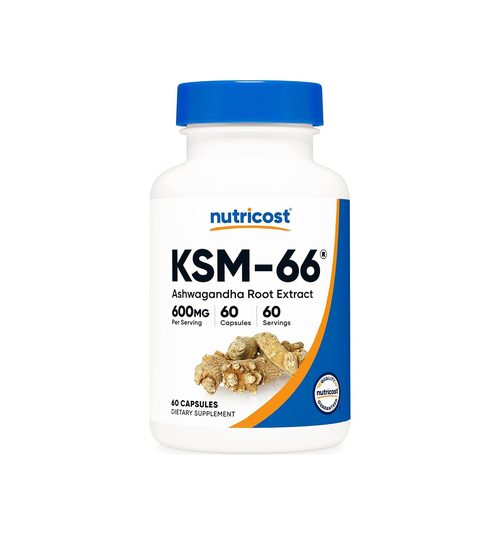
| Nutricost KSM-66 | KSM-66, 5% withanolides | 600mg | 60 | Adds BioPerine (black pepper extract) |
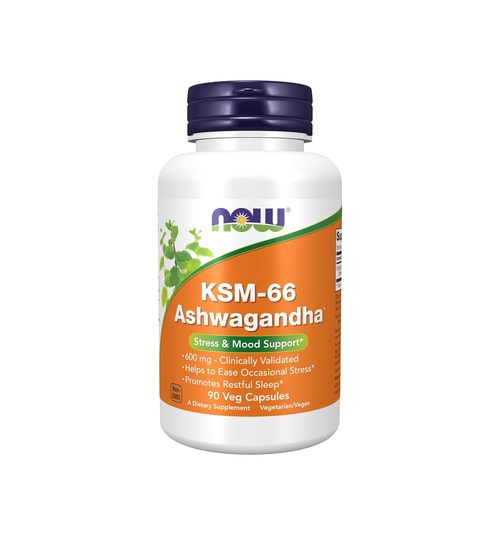
| NOW KSM-66 | KSM-66 | 600mg | 90 | Extracted without alcohol or chemical solvents |
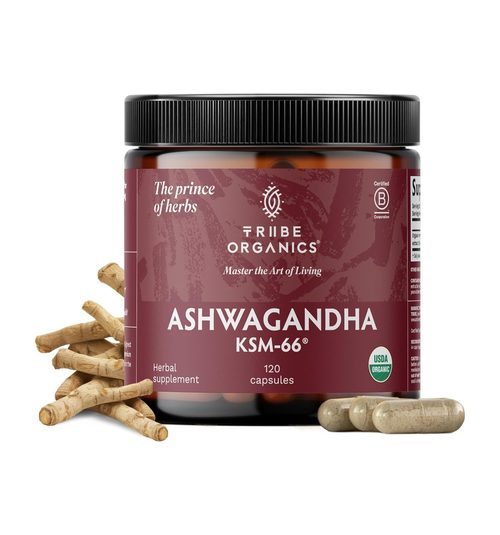
| Tribe Organics KSM-66 | KSM-66, 5% withanolides | Not stated | 120 | Organic, solvent-free |
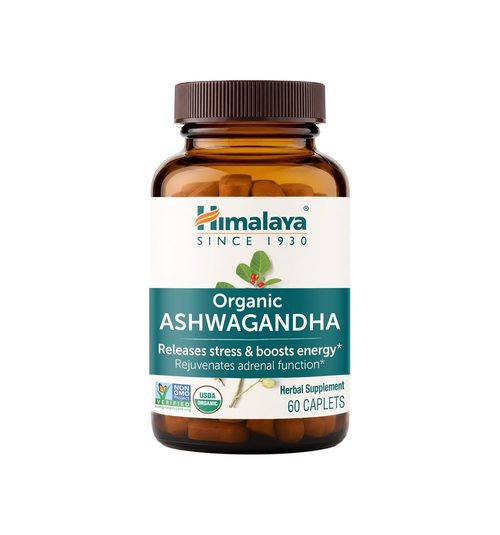
| Himalaya Organic | Root powder + root extract | 670mg | 60 caplets | USDA Organic; withanolide % not stated |
- Closest match to the stress research: Nutricost and NOW both give 600mg of KSM-66 per capsule, the daily dose used in most trials. NOW has more capsules per bottle.
- If you take medication: the BioPerine in the Nutricost capsule is piperine, which is added to improve absorption. Piperine can also change how some medications are absorbed, so if you take prescription drugs, the NOW or Tribe Organics capsules avoid that question. Ask your pharmacist either way.
- If you want organic KSM-66: Tribe Organics. Check the physical label for the amount per capsule.
- If you prefer a traditional whole-root product: Himalaya combines root powder with extract. It's a reputable Ayurvedic brand, but it isn't KSM-66 and doesn't state a withanolide percentage, so it's harder to compare with the trials.
To see these alongside every other product on the site, use the comparison table.
Red Flags When Buying Ashwagandha
- Proprietary blends that list ashwagandha among other herbs without saying how much of each.
- No extract name or plant part, just "ashwagandha 1,000mg" or similar.
- Very high doses (several grams of extract) with no explanation.
- Disease claims such as "cures anxiety" or "treats thyroid problems." Supplements aren't allowed to make these claims in the US, and their presence says something about the seller.
- No testing information and no way to get a Certificate of Analysis.
Before You Buy: Safety Check
Whichever product you choose, ashwagandha isn't for everyone. Avoid it in pregnancy, and check with a doctor first if you have a thyroid condition, liver problems or an autoimmune disease, or take sedatives or medication for blood sugar, blood pressure or your thyroid. The full list is in our ashwagandha guide, and if stress is the reason you're buying, read what the stress and anxiety trials found first.