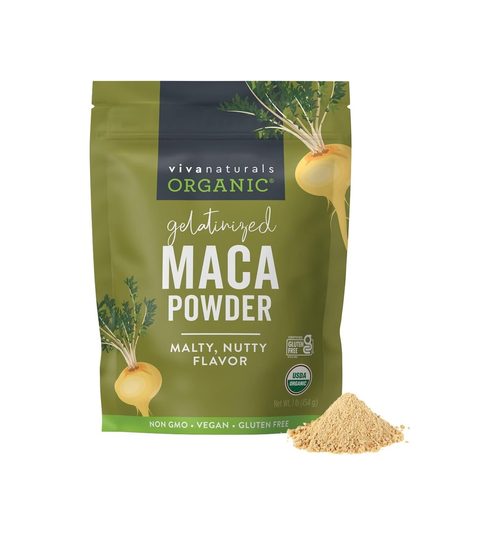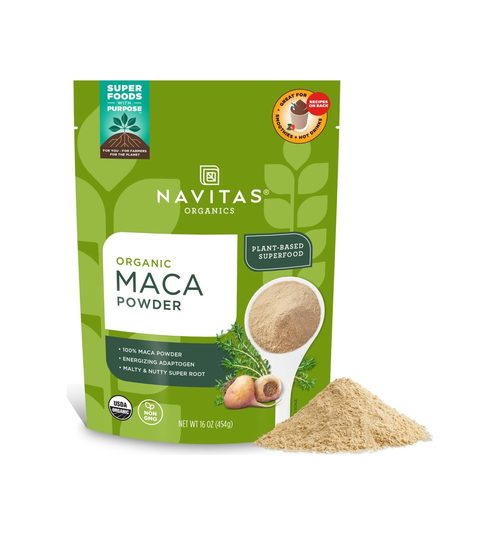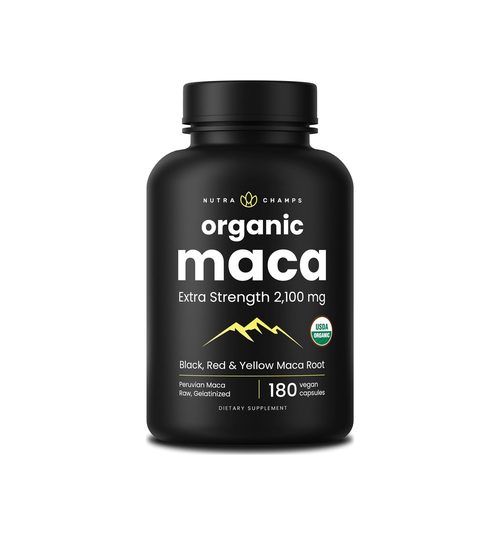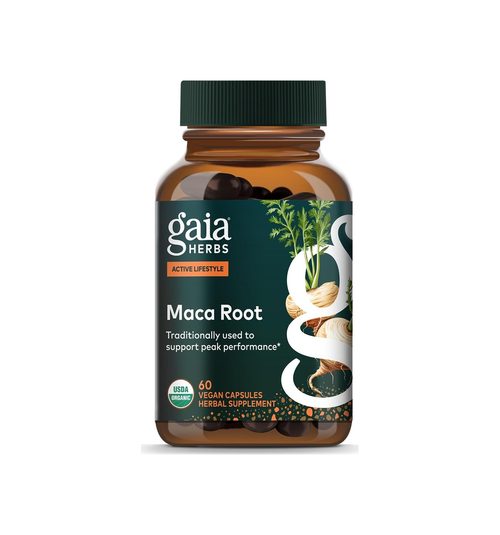
Maca is unusual among supplements because it's also a food. In Peru it has been eaten for thousands of years, baked, boiled, or made into drinks. Elsewhere it's sold as a powder or capsule, usually for libido and energy. Here's what's actually known about it.
What Is Maca?
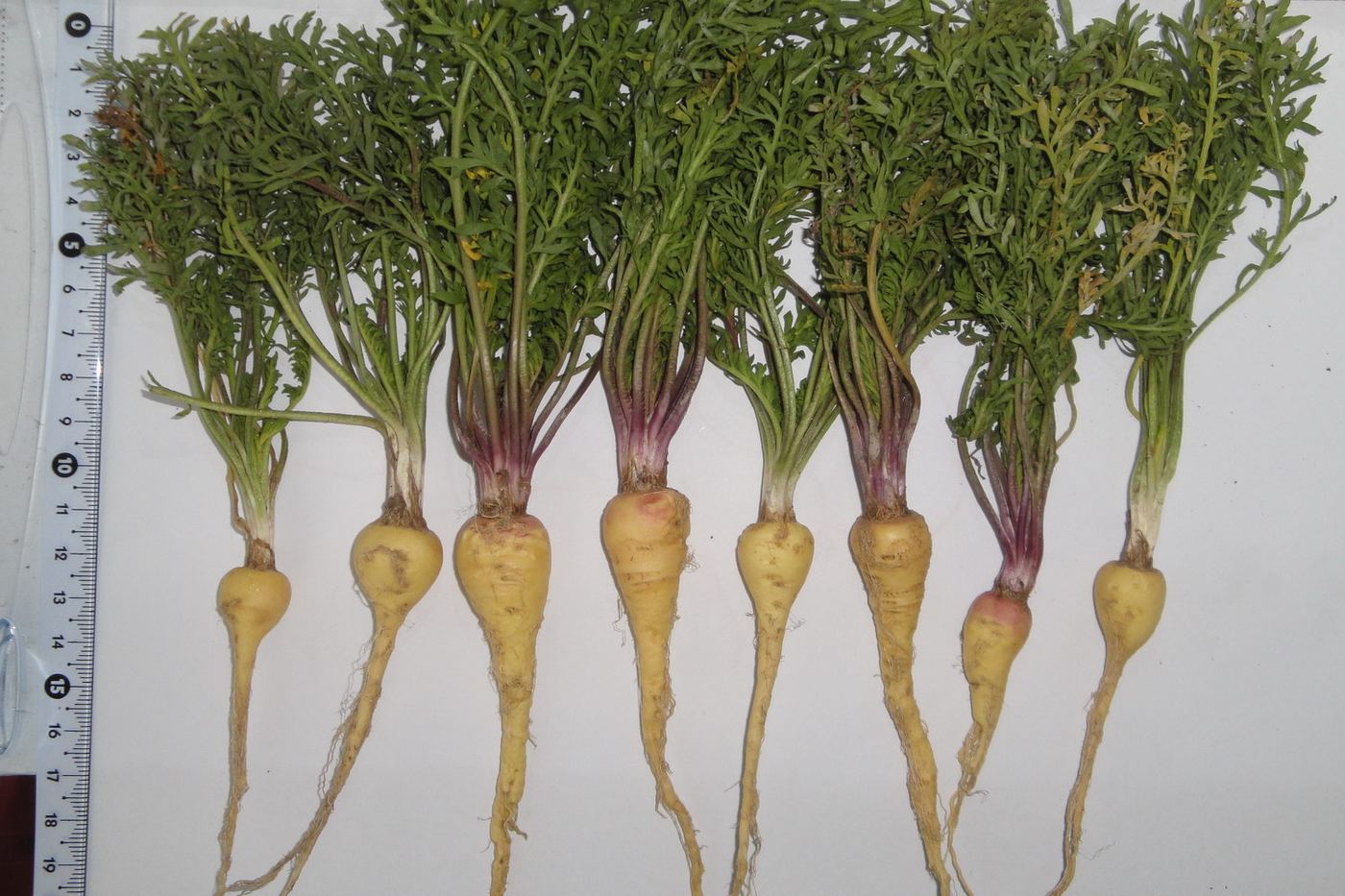
Maca (Lepidium meyenii) is a root vegetable from the cabbage family, related to turnips and radishes. It grows at very high altitude in the Peruvian Andes, often above 4,000 meters, where few other crops survive. The part that's eaten is the bulb-like root (technically a hypocotyl), which is dried and ground into powder.
Maca contains glucosinolates (also found in broccoli and cabbage) and two groups of compounds found almost only in maca, called macamides and macaenes. Researchers are still working out which of these, if any, explain its effects.
What the Research Actually Looks At
- Libido: the best-known use. A few small trials reported improvements in self-reported sexual desire in men and women, including one small study in people with sexual side effects from antidepressants.
- Mood and energy: some small studies reported improvements in mood and feelings of energy.
- Menopause: a few small studies looked at menopausal symptoms such as hot flashes and mood, with mixed but sometimes encouraging results.
- Fertility: a small number of studies looked at sperm measures in men.
One notable finding: studies that measured hormones generally did not find that maca changes testosterone or estrogen levels. If it affects libido, it seems to do so some other way. That's an important difference from products marketed as "testosterone boosters."
The overall evidence is limited: small studies, short durations, and different types of maca, so it's best treated as promising rather than proven.
Yellow, Red, and Black Maca
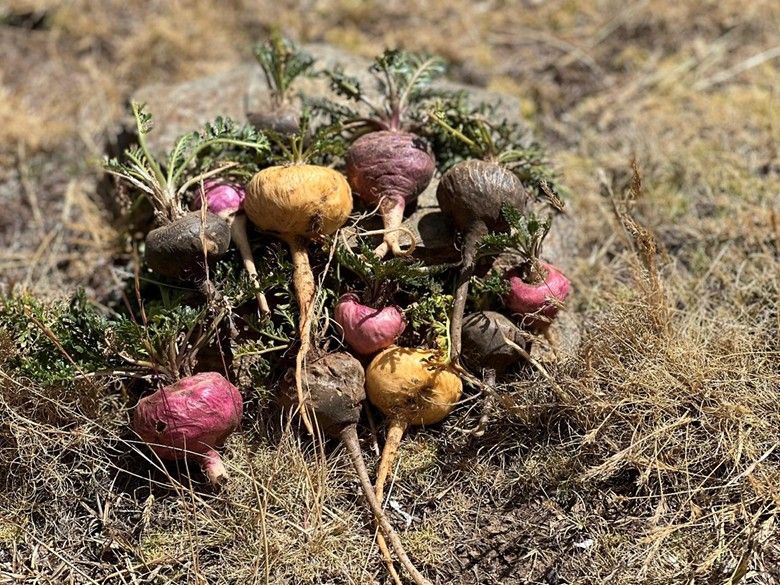
Maca roots come in several colors, and supplements are increasingly sold by color:
| Color | How it's described |
|---|---|
| Yellow | The most common and cheapest; most general-purpose maca powder is yellow or a mix |
| Red | Less common; has been studied in a few trials related to the prostate and bone health, mostly in animals |
| Black | The rarest; often marketed for men, with some animal research on sperm and memory |
The differences between colors come mostly from animal studies and marketing. If you're new to maca, a standard yellow or mixed powder is a sensible starting point.
Gelatinized vs. Raw Maca
"Gelatinized" doesn't mean it contains gelatin. It means the maca has been heated and pressurized to break down its starch, which is closer to how maca is traditionally eaten: cooked, not raw.
- Gelatinized maca is easier to digest, and some people find it gentler on the stomach. It's also more concentrated by weight because the starch is removed.
- Raw maca keeps more of its original compounds, but it's more likely to cause bloating or stomach upset.
If raw maca bothers your stomach, gelatinized is the easy fix.
How Much to Take
- Powder: studies commonly used 1.5–3g per day, roughly half to one heaped teaspoon. Some used more.
- Capsules and extracts: concentrated extracts are taken in smaller amounts; follow the label, and check whether the dose is given as powder or extract.
- How to take it: the powder has a malty, nutty taste and mixes well into smoothies, oatmeal, or coffee.
- Time frame: most studies ran for 6 to 12 weeks.
Side Effects and Who Should Be Careful
- Common side effects: bloating, gas, and stomach upset, especially with raw powder.
- Thyroid: like other cabbage-family vegetables, maca contains glucosinolates, which in large amounts may affect the thyroid. People with thyroid conditions should check with a doctor.
- Hormone-sensitive conditions: although studies didn't find hormone changes, people with conditions such as breast cancer, endometriosis, or fibroids are often advised to be cautious until more is known.
- Pregnancy and breastfeeding: there isn't enough safety data in supplement amounts, so avoid it.
Maca and Other Supplements
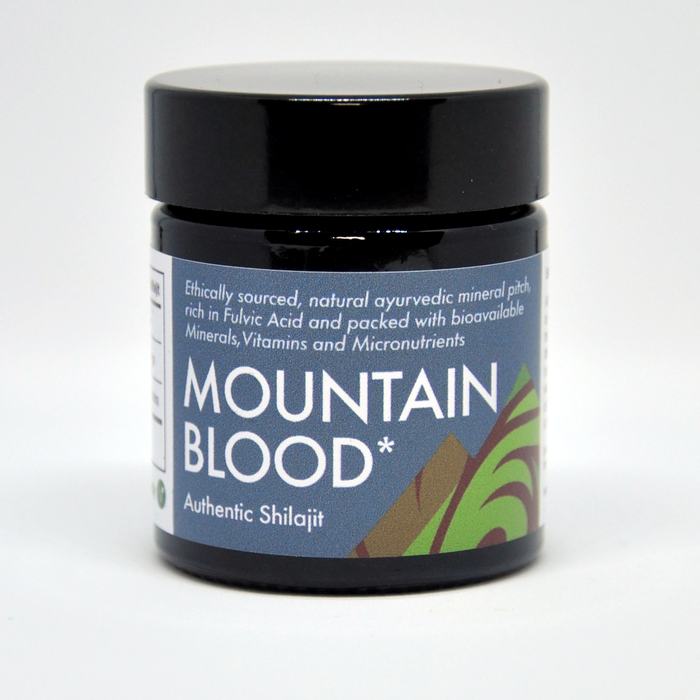
Maca is often sold alongside Tongkat Ali and Shilajit in "vitality" formulas. They're quite different: Tongkat Ali and Shilajit are usually marketed for hormones, while maca's research points to libido and mood without hormone changes. If you combine them, add one at a time so you can tell what each one does.
Buyer's Checklist
- The label says whether it's gelatinized or raw.
- The color (yellow, red, black, or mixed) is stated if that matters to you.
- Sourced from Peru, where maca has traditionally been grown.
- Third-party tested for contaminants such as heavy metals.
- If it's an extract, the label says how much powder it's equivalent to.