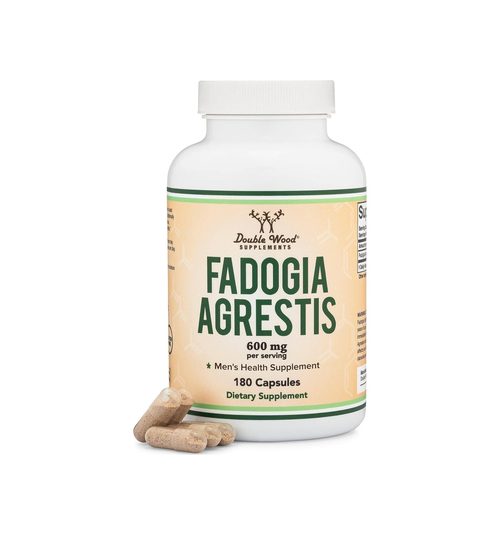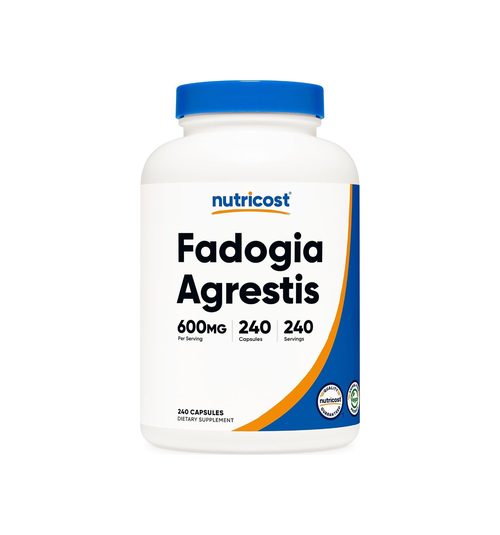
Fadogia agrestis went from an obscure African plant to a popular testosterone supplement in a couple of years, largely thanks to podcasts. It's an interesting case, because the gap between how it's marketed and what's actually been studied is unusually large. This guide explains that gap plainly.
What Is Fadogia Agrestis?
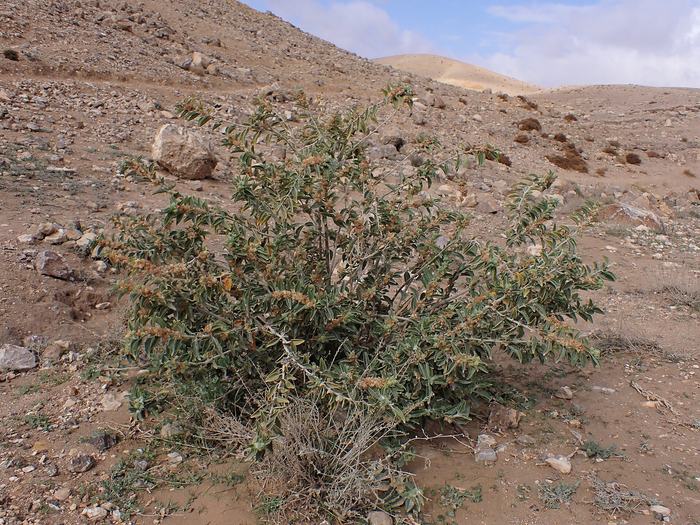
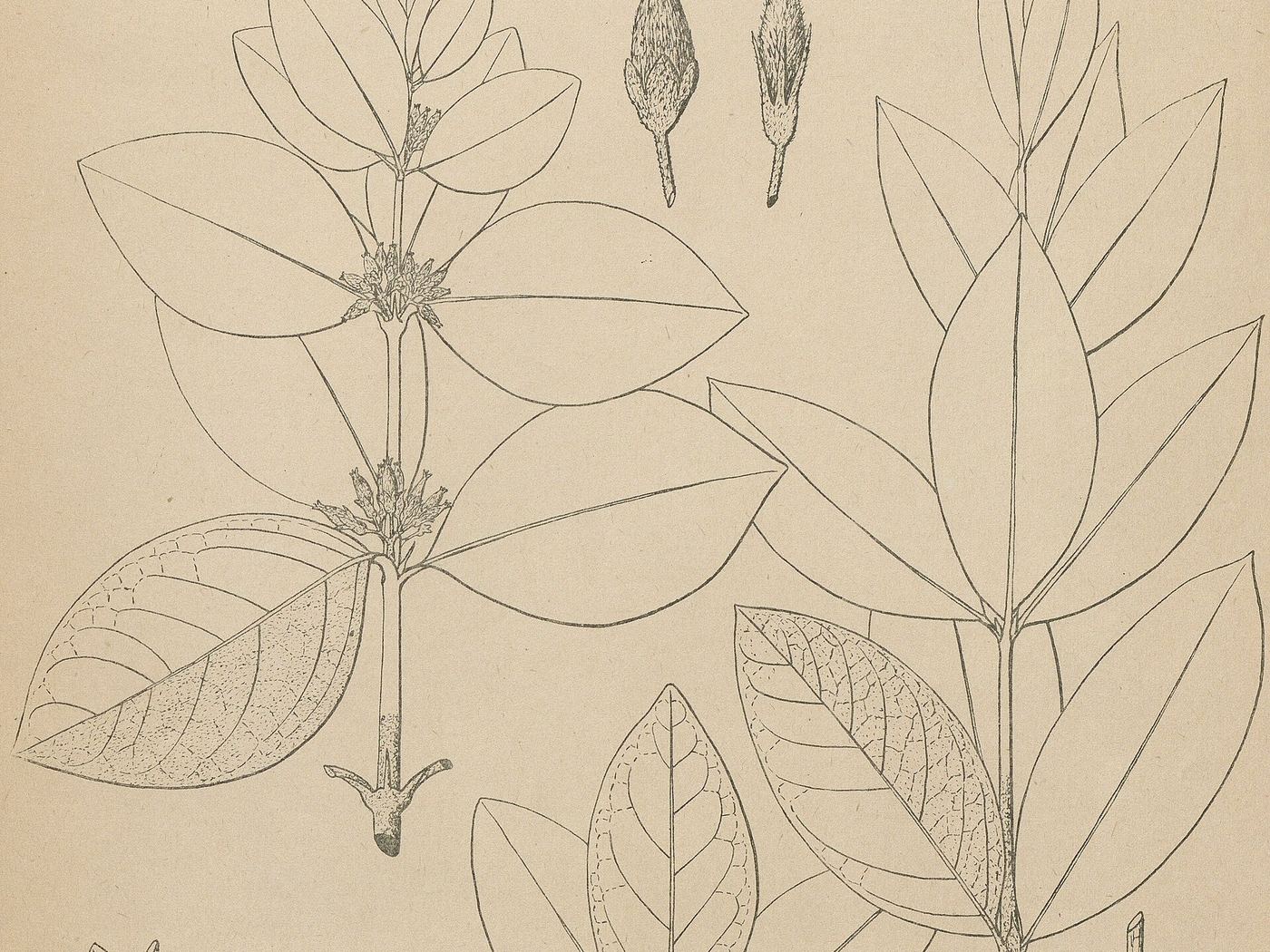
Fadogia agrestis is a shrub that grows in parts of West Africa, including Nigeria. In traditional medicine, preparations of its stem have been used as an aphrodisiac and for other purposes. As a supplement, it's sold almost entirely as a testosterone booster, often in combination with Tongkat Ali.
What the Research Actually Looks At
This is the most important section of this guide. Nearly all the research on Fadogia agrestis comes from a small number of studies in rats:
- Testosterone: in rat studies, an extract of the stem increased testosterone levels and sexual behavior. The proposed explanation is that it may act on luteinizing hormone (LH), the signal from the brain that tells the testes to make testosterone.
- Testicular changes: the same line of rat research also reported changes in testicular tissue and in some blood markers that the researchers suggested could indicate toxicity, particularly at higher doses or longer use.
- Human studies: there are essentially no published controlled trials in humans. We don't know whether it raises testosterone in people, what dose would be effective, or what long-term use does.
Animal results often don't carry over to humans, in either direction. So the honest summary is: Fadogia agrestis has shown hormone effects in rats, those same studies raised safety questions, and its effects and safety in humans are largely unknown.
Why It Became So Popular
Interest in Fadogia took off after it was discussed on popular health podcasts, often alongside Tongkat Ali, as a way to support testosterone. Those discussions usually included caveats about cycling it, getting bloodwork, and the limited research. Product marketing tends to keep the excitement and drop the caveats. If you're considering it, it's worth going back to the original discussion rather than relying on a product page.
How It's Usually Taken
Because there are no human dosing studies, every dose on the market is based on extrapolation and convention rather than evidence:
- Common label dose: around 600mg per day of a stem extract.
- Cycling: it's commonly taken in cycles (for example, some weeks on followed by a break) rather than continuously. This is a precaution, not something research has tested.
- Combination products: it often appears in blends with Tongkat Ali and other ingredients, sometimes at undisclosed doses.
Bloodwork: Why It Matters Here
If you decide to try Fadogia despite the limited research, getting blood tests before and during use is the most sensible precaution. Testing hormone levels (such as total and free testosterone and LH) shows whether it's doing anything for you, and standard health markers, including liver and kidney function, help catch problems early. A doctor can help you choose the right tests and interpret them.
Side Effects and Who Should Avoid It
- Unknown long-term safety: there's no human safety data, and animal studies raised concerns about the testes.
- People trying to conceive: given the testicular findings in animals, avoid it if fertility matters to you.
- Under 18s: it shouldn't be used by anyone still developing.
- Hormone-sensitive conditions: anyone with prostate problems, a hormone-sensitive cancer, or on hormone therapy should avoid it.
- Women and pregnancy: there's no safety data; avoid it.
- Reported side effects: users have reported testicular aching, sleep disruption, and mood changes. Stop if you notice any of these.
Fadogia vs. Tongkat Ali
The two are often taken together, but their evidence is very different. Tongkat Ali has a number of human studies, mostly in men with low or borderline testosterone, and is generally considered to work by freeing up testosterone that's already there. Fadogia is thought to act further upstream, on LH, but that comes from animal studies only. If you're choosing one, Tongkat Ali has the stronger human evidence base.
Buyer's Checklist
- Ask yourself whether you've had baseline bloodwork done, and whether a doctor knows you're taking it.
- The label states the dose of Fadogia itself, not just a proprietary blend.
- The product is third-party tested for contaminants.
- You have a plan to take breaks rather than use it continuously.